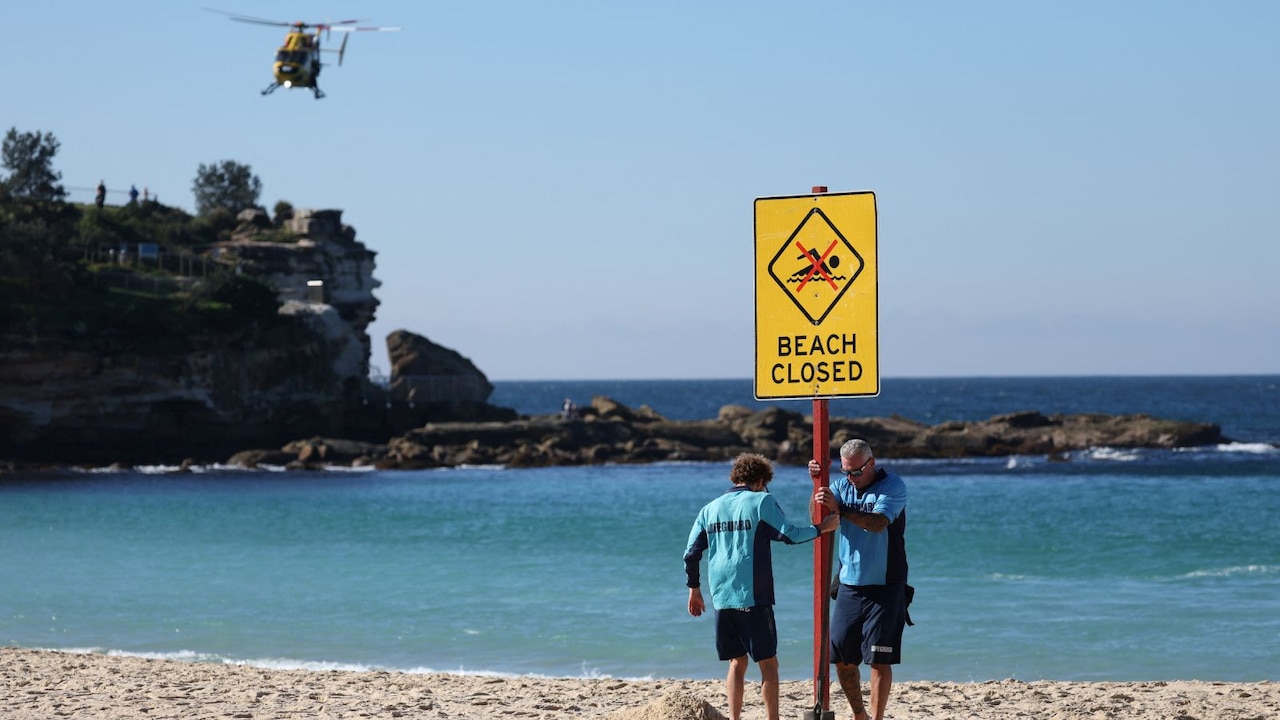
You don't expect a casual evening swim a mile from the Sydney Opera House to turn into a fight for survival.
Yet that's exactly what happened to Lauren O'Neill, a 29-year-old woman who decided to take a dip at dusk in Elizabeth Bay. It was a muggy Monday evening when a suspected bull shark struck, biting her severely on the right leg. The water turned dark red instantly.
What followed wasn't just a terrifying struggle to escape, but a masterclass in community bravery that kept her alive.
The Reality Of Sharks In Urban Pools
Most people think shark encounters only happen out in the open ocean, far past the breaking waves where surfers hang out. That's a massive misconception. Urban harbors and tidal rivers are active wildlife highways.
When the attack happened around 7:45 PM, O'Neill was swimming off a private jetty in Elizabeth Bay. This isn't the wild coast; it's a densely populated, wealthy harbor inlet. After the predator bit down on her lower leg, she managed to pull herself through the bloody water back to the jetty ladder, using sheer adrenaline to stay afloat.
Local resident Michael Porter was sitting on his couch when he heard a faint yell for help outside his window. When he ran out, he saw O'Neill dragging herself up the ladder. Her right leg was completely open, trailing blood across the wood.
"It was horrifying, I've never experienced anything like it," Porter recounted. "Behind her was all red blood. The whole thing was totally surreal."
The quick actions of neighbors absolutely saved her life. Another local resident, a veterinarian named Fiona, ran down to the jetty and immediately applied makeshift tourniquets to stem the catastrophic blood loss before paramedics arrived. New South Wales Ambulance crews rushed O'Neill to St. Vincent’s Hospital in critical condition, where surgeons worked through the night to stabilize her.
Why Sydney Harbor Is A Bull Shark Hotspot
This incident was the first shark attack inside Sydney Harbor since February 2009, when a navy clearance diver survived an encounter in nearby Woolloomooloo Bay. Because these events are rare, people let their guard down.
But scientists from the NSW Department of Primary Industries have been tracking these animals for decades. The reality is that Sydney Harbor is packed with bull sharks, especially during the peak summer months of January and February.
Bull sharks love warm, estuary environments. They possess a unique biological tolerance for low-salinity water, meaning they can navigate far up rivers and into shallow bays where humans don't expect them.
Several factors made that specific Monday evening highly risky:
- The Time of Day: The attack occurred just as the sun was setting. Sharks are nocturnal and crepuscular feeders, meaning their activity peaks at dawn and dusk when low light gives them an ambush advantage.
- Water Conditions: Locals noted the harbor water was quite murky that evening, filled with schools of smaller baitfish. In low visibility, a bull shark relies on its lateral line system to detect movement, often striking at a splashing swimmer out of mistaken identity rather than a desire to hunt humans.
How To Stay Safe In Harbor Waterways
You don't need to completely avoid the water, but you absolutely have to change how and when you swim. The ocean and the harbor belong to marine wildlife first. If you're going to share their space, you need to follow the rules of engagement.
First, stop swimming at dawn, dusk, or nighttime. These are prime feeding windows. When light levels drop, a shark's predatory instincts kick into high gear, and your visibility drops to near zero.
Second, steer clear of murky water or areas near river mouths after heavy rainfall. Rain washes organic debris and nutrients into the harbor, attracting small fish, which inevitably draws in larger predators. If you can't see your feet in knee-deep water, get out.
Third, avoid swimming anywhere near people fishing. Bait, chum, and struggling fish on a line send distress signals through the water that sharks can detect from kilometers away. Swimming near a public boat ramp or a busy fishing wharf is essentially putting yourself in a buffet line.
Instead, stick to designated harbor enclosures and netted baths during daylight hours if you want a harbor dip. While no net system is 100% foolproof, swimming inside managed barriers or using scientifically tested personal electronic deterrent devices drastically reduces your odds of a negative interaction. Pay attention to local marine alerts, respect the environment, and always swim with a buddy.
For more information on how local authorities monitor these urban predators, check out this 7NEWS Australia report on the Elizabeth Bay rescue which highlights the community response and the murky harbor conditions that led to the event.