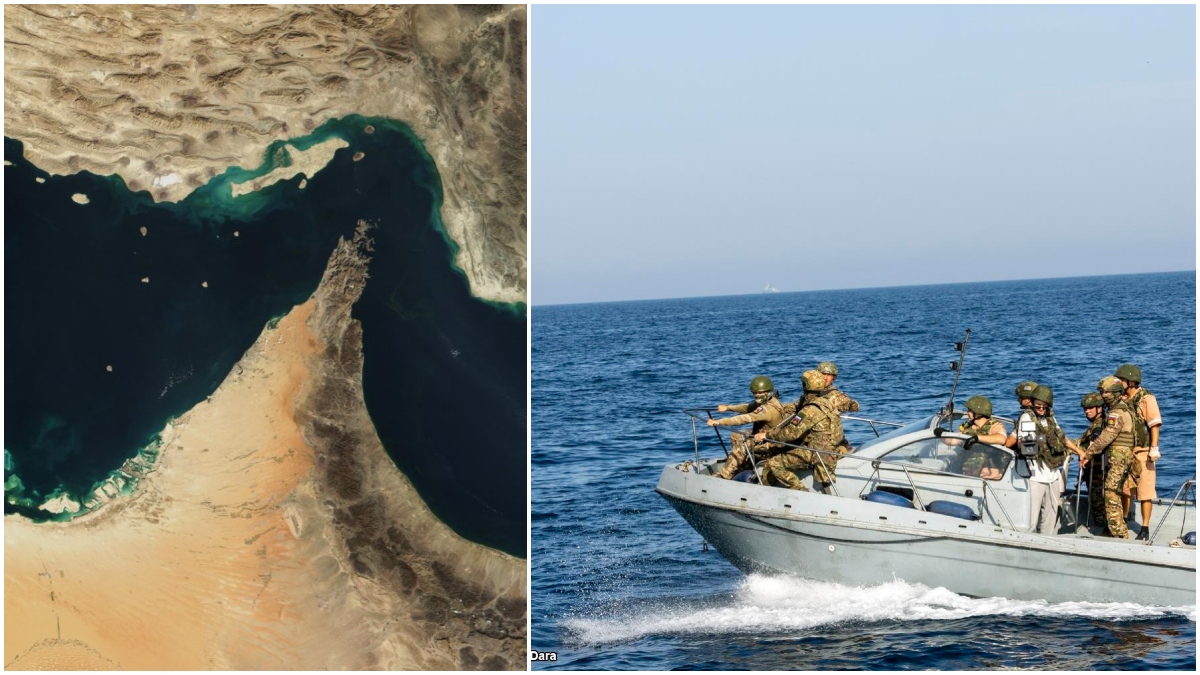
The US military is currently setting conditions to clear mines in the Strait of Hormuz. This isn't just another routine drill or a bit of saber-rattling from a Navy destroyer. It's a high-stakes chess move in a waterway that controls the pulse of the global economy. When the Pentagon talks about "setting conditions," they aren't just checking boxes. They’re preparing for a scenario where one of the world's most vital maritime chokepoints gets slammed shut by cheap, effective, and deadly underwater explosives.
If you think this is just a regional spat, you’re missing the bigger picture. About a fifth of the world’s petroleum passes through this narrow stretch of water between Oman and Iran. We're talking millions of barrels a day. If a mine hits a commercial tanker, global oil prices don’t just tick up—they explode. The US Navy’s current focus on mine countermeasures (MCM) in the Persian Gulf is a direct response to a reality where non-state actors and regional powers can hold the world hostage with tech that costs less than a used sedan. For an alternative view, read: this related article.
Why the US Navy is obsessed with the Strait right now
The Strait of Hormuz is tiny. At its narrowest, the shipping lanes are only about two miles wide in either direction. That makes it a shooting gallery for anyone with a grudge and a few naval mines. The US 5th Fleet, based in Bahrain, has spent decades mapping these waters, but the tech is changing. Iran has a massive stockpile of mines, ranging from old-school contact mines to sophisticated "influence" mines that trigger based on magnetic, acoustic, or pressure signatures.
Setting conditions means more than just having ships in the area. It involves a massive integration of drones, divers, and high-tech sensors. The goal is to create a "sanitized" environment where shipping can move without the constant threat of a hull-breaching blast. It's about proactive detection. Waiting for a ship to blow up before you start looking for mines is a losing strategy. You have to find them before they find the tankers. Further coverage on this matter has been provided by USA Today.
The tech behind the search
We aren't just talking about sailors looking over the side of a boat with binoculars. The modern mine-clearing toolkit is a mix of hardware that sounds like it’s out of a sci-fi flick.
- Unmanned Underwater Vehicles (UUVs): These are the workhorses. Small, torpedo-shaped drones like the Mk 18 Mod 2 Kingfish use side-scan sonar to map the seafloor with incredible detail. They can find objects the size of a coffee can in total darkness.
- SeaFox Drones: Once a UUV finds a suspected mine, the SeaFox goes in. It’s a one-way "kamikaze" drone. It identifies the mine via a camera and then detonates a small charge to destroy it.
- The Human Element: Even with all the robots, you still need Navy EOD (Explosive Ordnance Disposal) divers. These guys are the best in the world. They go down when the tech can’t confirm a target or when a delicate touch is needed to disable a new type of fuse.
Setting conditions involves "pattern of life" analysis. The Navy uses sensors to establish a baseline of what the seafloor looks like when it's clean. If a new lump appears on the sonar next Tuesday, they know exactly where to look. This constant monitoring is what makes the current mission so intensive. It’s a 24/7 game of "spot the difference" played on the bottom of the ocean.
The geopolitical pressure cooker
Iran hasn't been shy about its ability to close the Strait. They’ve practiced it in numerous "Great Prophet" exercises. For the US and its allies, "setting conditions" is a form of deterrence. If the Navy shows it can clear mines faster than Iran can lay them, the tactical advantage of mining the Strait vanishes. It’s a clear message: Don’t even try it.
But there's a catch. Mine clearing is slow. It’s tedious. It’s dangerous. Even the best MCM forces in the world can’t guarantee a 100% clean channel in a matter of hours. It takes days, sometimes weeks, to fully clear a shipping lane. During that time, the global economy holds its breath. Insurance rates for tankers skyrocket. Ships wait in the Gulf of Oman, vulnerable and idle. This is why the Navy is practicing now. They need to slash that response time to the absolute minimum.
Real world stakes and the oil factor
Let’s look at the numbers because they’re terrifying. We're talking about roughly 20 million barrels of oil per day. If the Strait closes, you're looking at a global recession within weeks. This isn't hyperbole. Markets hate uncertainty, and nothing says uncertainty like a sea-lane filled with hidden bombs.
The US military isn't doing this alone. They work with the International Maritime Security Construct (IMSC) and the United Kingdom’s Royal Navy. The Brits have some of the most advanced minehunters on the planet. This international cooperation is key because it gives the mission legitimacy. It’s not just "America patrolling the world"—it’s a global coalition protecting the "freedom of navigation" that keeps the lights on in London, Tokyo, and New York.
What setting conditions actually looks like on the deck
When a commander says they’re setting conditions, they’re talking about logistics and readiness. It means the Avenger-class mine countermeasures ships are out of port. It means the MH-53E Sea Dragon helicopters—massive birds that tow minesweeping sleds through the water—are fueled and ready.
It also means intelligence gathering. The US is likely using satellite imagery and signals intelligence to track where Iranian minelayers are moving. If a bunch of small boats suddenly leave a known naval base in Bandar Abbas, the 5th Fleet needs to know where they went and what they dropped.
The move toward autonomy
The Navy is trying to get humans out of the minefield. The new "Lethal Uncrewed Systems" initiatives are designed to do just that. The plan is to have swarms of small, cheap drones doing the dirty work. This is the real "setting conditions" for the future. By moving toward a modular, drone-first approach, the Navy can deploy these capabilities from almost any ship, not just specialized (and aging) minehunters.
This shift is vital because the old Avenger-class ships are nearing the end of their lives. The Littoral Combat Ship (LCS) was supposed to take over this role with a dedicated mine countermeasures mission package. That’s had its share of hiccups, but the tech is finally starting to catch up to the promise.
The risk of miscalculation
There's always a danger here. When you have two navies operating in such a tight space, things can get hairy fast. A US drone getting too close to an Iranian patrol boat or a misunderstanding during a mine-clearing exercise can spark a broader conflict. "Setting conditions" also requires a high level of de-confliction. The US has to be firm enough to show strength but careful enough not to start a war by accident.
It’s a delicate balance. On one hand, you have the absolute necessity of keeping the water open. On the other, you have the reality of operating in what Iran considers its backyard. The US military doesn't have the luxury of being passive. They have to be out there, pinging the bottom, flying the helos, and making sure everyone knows the lanes are open for business.
Stop ignoring the maritime threat
Most people don't think about maritime security until their gas prices double. But the work being done in the Strait of Hormuz right now is the only thing preventing that. The US military is effectively building a "digital twin" of the seafloor, preparing the tools, and training the crews to handle a crisis before it starts.
If you want to track how this develops, don't just look for headlines about "clashes." Look for news about drone deployments, joint exercises with the Brits or Saudis, and updates on the 5th Fleet’s unmanned task forces. That’s where the real work is happening. The quiet, repetitive work of scanning the sand is what keeps the global economy from falling off a cliff. Keep an eye on the deployment of Task Force 59—they’re the ones leading the charge on using AI and drones to keep the Strait safe.
Pay attention to the ship movements in the Gulf of Oman. If you see an increase in MCM activity, it’s a sign that the intelligence community sees a spike in the threat level. The "conditions" are being set because the risk is real, and the cost of being unprepared is far too high for anyone to pay. Stay informed on the technical shifts in naval warfare; the days of big ship-on-ship battles are fading, replaced by the silent, underwater war of drones versus mines. Over the next year, watch for more integration between commercial shipping and naval security forces. That's the next step in securing the world's most dangerous straw.