The conservation movement has developed a bad case of elite gatekeeping.
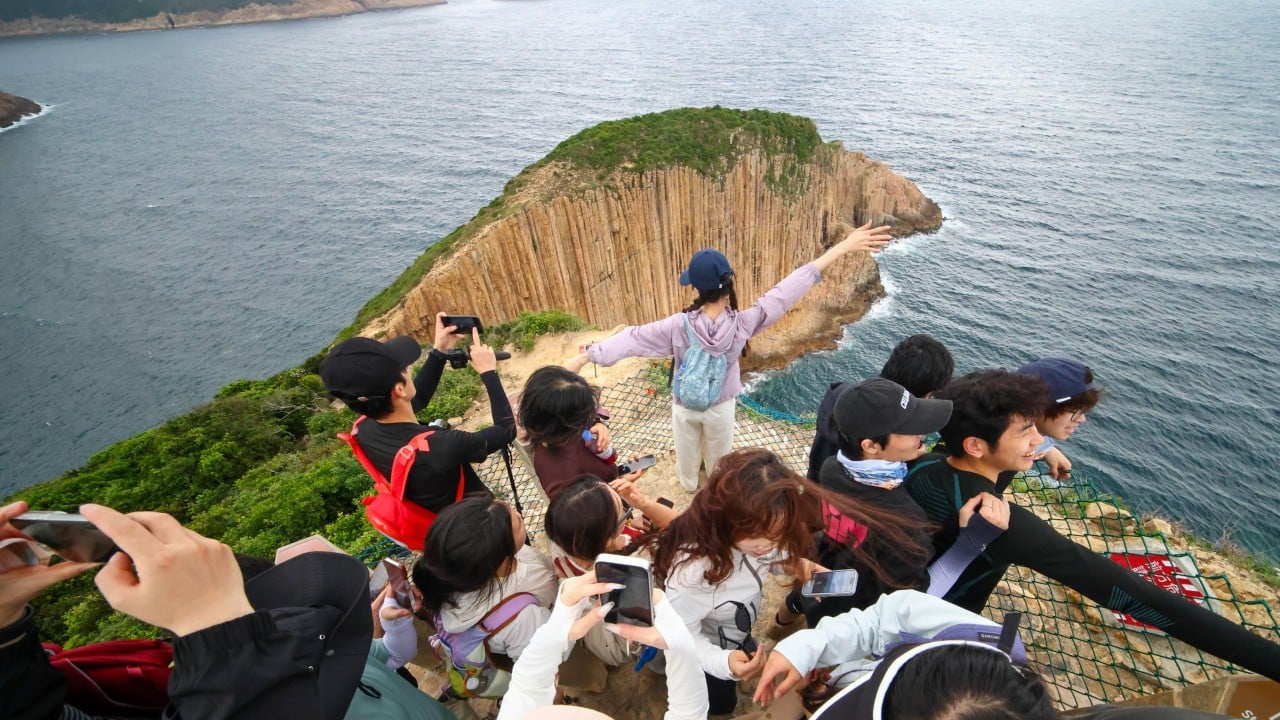
Recently, the founder of the Four Trails Challenge argued that Hong Kong needs visitor quotas and registration systems to protect its country parks from being loved to death. It is a classic, predictable response. Hikers crowd the trails, erosion accelerates, trash piles up, so the immediate instinct of the traditionalist is to build a wall. Lock the gates. Turn public wilderness into a rationed commodity.
This logic is completely backward.
Restricting access to nature does not save it. It kills the very constituency required to protect it. When you implement quotas, you do not stop environmental degradation; you just gentrify the outdoors. You turn public lands into exclusive playgrounds for the ultra-fit and the structurally privileged who have the time to navigate bureaucratic registration systems.
We do not have an over-tourism problem in our country parks. We have an infrastructure design problem.
The Myth of the Fragile Trail
The core premise of the quota argument relies on the carrying capacity theory. The idea is simple: a piece of land can only handle a specific number of human boots before it degrades permanently.
It sounds scientific. It is actually lazy management.
Erosion is rarely caused by sheer numbers alone. It is caused by poor trail design and inadequate water management. When thousands of people walk a trail that lacks proper drainage, water pools, hikers walk around the puddles, the trail widens, and the surrounding vegetation dies.
If you pave a trail poorly, it breaks. If you build it with sustainable, stone-banking techniques—like the traditional masonry styles used by local trail volunteers—it survives.
Bad Trail Design: High Traffic + Poor Drainage = Mass Erosion
Good Trail Design: High Traffic + Heavy-Duty Masonry = Sustainable Public Transit
Locking people out ignores the success of high-density park management globally. Look at Acadia National Park or Zion in the United States. When traffic spiked, the solution that actually worked was not slapping a hard cap on human bodies at the gate. It was redesigning the transit flows, hardening the main corridors, and creating sacrificial zones.
A sacrificial zone is a concept that purists hate, but pragmatists love. You heavily pavement-harden the first one or two kilometers of a trail where 80% of casual tourists hang out. You give them wide, durable paths, viewing platforms, and robust waste facilities. They get their nature fix, their photos, and their fresh air without stepping foot on delicate topsoil. The remaining 20% of serious hikers disperse into the backcountry naturally, bypassing the hardened zones.
Quotas are a confession of managerial failure. It means the authorities have given up on engineering solutions and chosen the path of least resistance: exclusion.
Who Actually Suffers Under a Quota System?
Let us look at the mechanics of booking systems. I have seen municipal governments and park authorities across Asia and Europe blow millions on digital reservation platforms. They promise fairness. They deliver structural bias.
When you require registration to enter a country park, you immediately alienate:
- Working-class families who cannot plan their weekends three weeks in advance due to volatile shift schedules.
- The elderly who may lack the digital literacy to navigate competitive online booking portals.
- Spontaneous users who need the mental health benefits of nature today, not when an algorithm grants them a slot.
The people who secure the permits are the tech-savvy, the affluent, and the highly organized. The exact demographic, ironically, of trail race founders and elite endurance athletes.
If we restrict access, we create a generation of urban residents who have zero emotional investment in the wilderness. Why would a teenager living in a cramped concrete high-rise care about protecting a country park they are legally barred from visiting on a whim? You cannot build a conservation ethos on abstract ideas. People only fight to protect what they know, touch, and experience.
The Real Culprit is Concentrated Traffic
The argument for quotas assumes that crowds are evenly distributed across all 440 square kilometers of Hong Kong’s country parks. They are not.
People crowd into a microscopic fraction of the trail network. Everyone wants to climb Dragon's Back, Lion Rock, or Sunset Peak because social media algorithms funnel them to the exact same geo-tagged coordinates. Meanwhile, spectacular trails in the central New Territories or remote corners of Plover Cove sit empty, even on a flawless autumn Sunday.
The solution is not to reduce the total number of hikers. It is to decentralize them.
1. Dynamic Dispersal via Real-Time Data
Instead of a gatekeeper saying "no," park management needs to become a traffic controller. We need live digital signage at major transport hubs (like MTR stations near trailheads) showing current trail congestion. If Lion Rock is red-lined, the system should actively promote an alternative, under-utilized trail nearby, complete with direct bus routing updates.
2. Upgrading the B-Sides
Many secondary trails remain empty because they lack basic infrastructure. They have poor signage, no water refill stations, and minimal public transport access. If you invest in upgrading these secondary routes to the same standard as the famous trails, the crowd problem solves itself through natural distribution.
The Downside of the Open-Gate Approach
Let us be completely transparent about the trade-offs. If you reject quotas and keep the parks completely open, you have to accept certain uncomfortable realities.
- Higher Infrastructure Costs: Hardening trails with natural stone masonry is expensive and labor-intensive. It requires hiring specialized craftsmen or investing heavily in volunteer training programs.
- The Loss of "Wildness" on Main Corridors: To handle tens of thousands of casual visitors, the first kilometer of popular trails will look more like manicured parkways than rugged wilderness. Purists will complain that it feels less adventurous.
- Increased Enforcement Demand: Open access requires strict, aggressive enforcement of littering and wildlife disturbance laws. You do not fine people for walking; you fine them heavily for behaving badly.
This approach requires actual work. It requires capital investment, creative engineering, and continuous public education. Quotas, on the other hand, are cheap. You just put up a sign, hire a guard, and wash your hands of the problem.
Stop Treating Nature as a Museum
The mentality behind visitor quotas views nature as a fragile museum piece to be looked at behind glass. It treats human beings as inherently toxic invaders whose mere presence defiles the earth.
This is a deeply flawed philosophy. Humans are part of the ecosystem, not separate from it. The primary function of a country park in a hyper-dense metropolis is to serve as a public health pressure valve. It is where millions of people go to escape the suffocating pressure of concrete, noise, and micro-apartments.
When you tell a stressed-out city dweller that they cannot enter the forest because a computer program says the human quota is full, you are prioritizing an arbitrary, lazy metric over human well-being.
We do not need fewer people in the woods. We need more people in the woods, supported by infrastructure that can handle them. Stop building fences around the public commons. Build better trails. Up-gauge the transportation. Harden the paths.
Open the gates and let the city breathe.