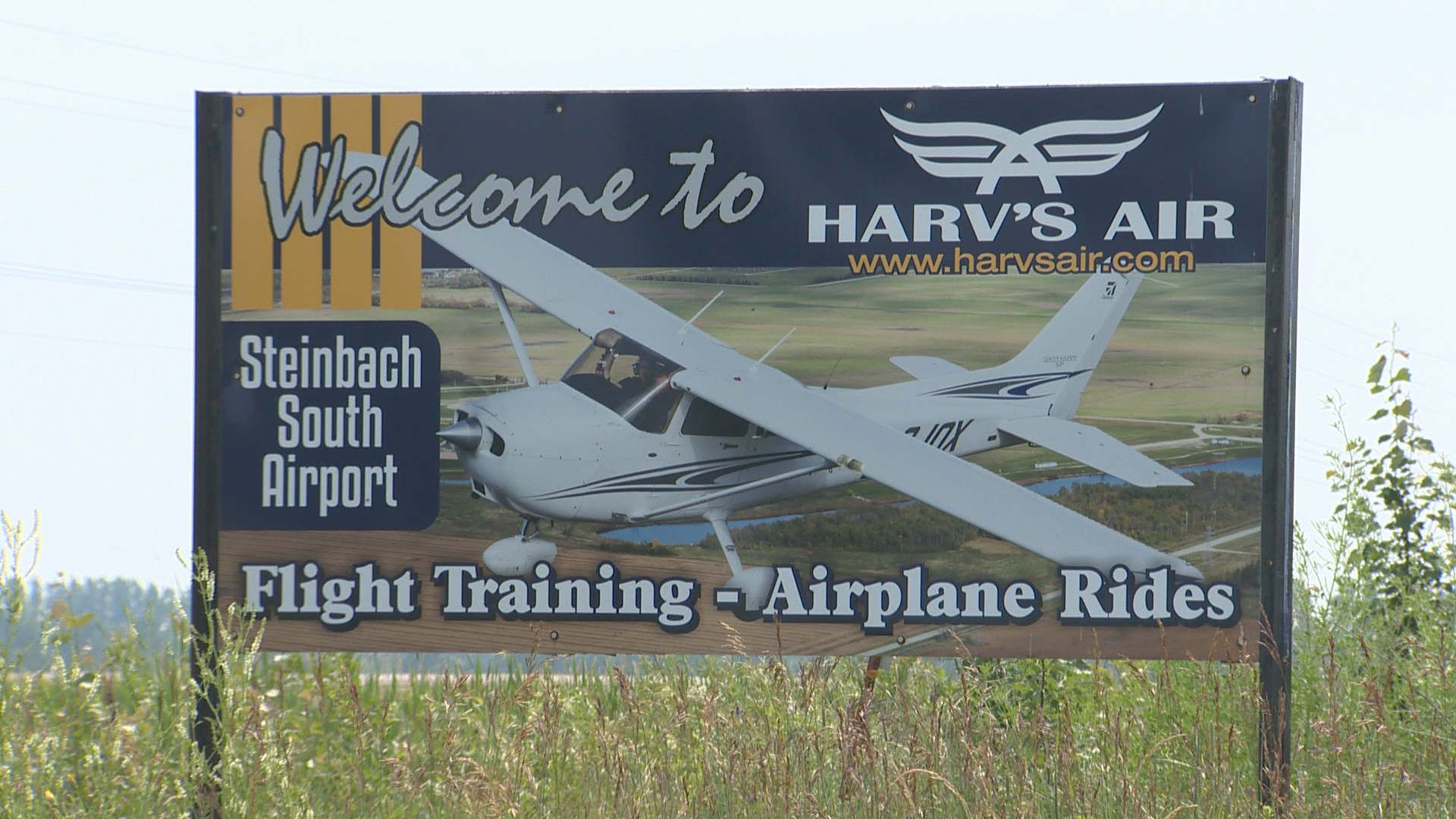
Every time a trainer goes down, the media rolls out the exact same script. Grief-stricken families, candlelight vigils, vague corporate statements about safety management systems, and a chorus of pearl-clutchers questioning why private flight training operations are even allowed to burn aviation fuel over residential areas. Harv’s Air makes the news because a hull was lost and a life was cut short, triggering the predictable cycle of institutional hand-wringing.
The lazy consensus says we need more oversight, stricter instructor certification, or better weather minimums. It is a comforting narrative for outsiders who believe aviation is an enterprise that can be completely sanitized through regulation.
It is also entirely wrong.
More rules will not fix primary flight training. In fact, codifying every single flight maneuver into an unyielding bureaucratic checklist is precisely what is eroding the raw operational instincts needed to keep aircraft in the sky. If you want to understand why student pilots are still dying in preventable accidents, stop looking at the maintenance logs and start looking at an industry that sells a sanitized lifestyle dream while hiding the brutal reality of mechanical physics.
The Sanitized Myth of the Professional Pilot Pipeline
Major carriers are starving for left-seat occupants. Flight schools have transformed into high-throughput diploma mills, pumping out commercial certificates with the velocity of an assembly line. Marketing brochures depict pristine glass-cockpit Cessnas and diamonds flying over golden-hour landscapes, implying that earning your wings is just like getting a driver license with extra verticality.
I have watched regional operators churn out zero-to-hero graduates who can program a Garmin GTN 750 blindfolded but freeze the moment a crosswind gusts thirty degrees off the centerline because their simulator time never taught them how to feel the slipstream.
The industry sells a lie: that modern avionics have made stick-and-rudder competence secondary to systems management. Flight schools pander to this illusion because parents and self-funding students want a predictable product. They want to pay a fixed fee, check the boxes, and walk away with an Airline Transport Pilot certificate in twenty-four months.
Aviation does not care about your payment plan. Aerodynamics remains completely indifferent to your customer satisfaction score. When an engine quits over unlandable terrain at five hundred feet, your iPad subscription to ForeFlight and your fancy synthetic vision display will not flare the aircraft for you.
Dismantling the Oversight Illusion
When an incident hits the wire, regulators rush to demonstrate action. They propose tighter weather minimums, mandatory safety audits, and expanded oversight. This is political theater designed to soothe public anxiety.
The truth is that flight training is inherently a risk-mitigation exercise, not a risk-elimination sandbox. You cannot legislate away the moment an eighteen-year-old student pilot panics in a stall recovery. You cannot write a Federal Aviation Administration circular that replaces the split-second tactile judgment required to catch a spinning wing before it drops past the horizon.
Consider how we teach spin recovery. For decades, training standards have watered down spin exposure because students got nauseous and parents complained about aggressive maneuvers. We turned a core survival skill into a theoretical multiple-choice question on a written exam. Then we act surprised when a student pilot cross-controls on base-to-final, enters an uncoordinated stall, and discovers that the airplane does not care about their career aspirations.
When schools like Harv's Air experience tragic losses, the knee-jerk demand is for more instructional oversight. But over-supervising students creates compliance-obsessed pilots rather than competent aviators. A student trained to ask permission for every micro-decision on the flight deck is a liability when the emergency checklist goes out the window.
The Economics of Cheap Hours
Let us address the elephant in the hangar: the race to the bottom on hourly aircraft rental rates.
Flight schools operate on razor-thin margins. Fleet maintenance is punishingly expensive. Avionic upgrades bleed cash. Insurance premiums for flight training organizations have skyrocketed into the stratosphere. To stay competitive, schools cut corners where they think nobody is looking—deferred maintenance on non-essential instrumentation, high-hour instructor turnover, and crammed scheduling blocks that incentivize rushed pre-flight briefings.
Low-time flight instructors are treated as disposable labour. We pay twenty-two dollars an hour to twenty-one-year-old commercial pilots whose primary motivation is logging fifteen hundred hours as fast as humanly possible so they can escape to a regional turbo-prop. They are not career educators; they are time-builders waiting for their phone to ring from a mainline recruiter.
How can you expect a burnt-out instructor flying six legs a day in a clapped-out Piper Cherokee to instill a culture of rigorous risk assessment? They want to get the hobbs meter running and make it home before sunset just as badly as the student does.
If we actually care about safety, we should stop subsidizing the factory model of flight training. We need to professionalize flight instruction into a respected, high-paying career track where veteran pilots teach the craft rather than eighteen-month transients punching a clock.
The Uncomfortable Reality of Risk
Nobody wants to admit that aviation requires a high tolerance for calculated danger. You can mitigate the variables, but you can never reduce the probability of a fatal accident to zero. The moment you step into a light aircraft, you are engaging in an activity governed by thermodynamics, gravity, and human physiological limits.
When accidents happen, tragedies are exploited to push agendas that have nothing to do with aviation safety. Activists demand noise abatement restrictions, local politicians grandstand about zoning laws near rural strips, and armchair safety experts pontificate online about things they have never experienced from the left seat.
The family mourning their lost student pilot deserves empathy, but the public discourse needs a heavy dose of cold water. Flying is not a commuter rail system. It is a mastery-based craft that demands absolute accountability from the person holding the yoke.
If you want a zero-risk transportation network, stay on the ground. If you want to fly, accept the grim reality that the price of admission is relentless vigilance, deep mechanical understanding, and the willingness to look your own mortality in the eye every time you push the throttle forward. Stop blaming the institution when the physics catch up to the illusion.