The rules of engagement in the Middle East have fundamentally shifted. Tehran isn't just threatening local rivals anymore. Iranian officials have made it clear that any new military action launched by the United States or its allies will trigger retaliation without geographic limits, drawing foreign soil directly into the crosshairs.
If you've been watching the rhetoric escalate, you know this isn't standard diplomatic posturing. It's a calculated warning that moves the theater of potential conflict far beyond the Middle East.
The Expanding Target List
For years, regional standoffs remained localized to immediate neighbors and localized proxy groups. Not anymore. Senior Iranian military figures, including high-ranking security officials, have explicitly stated that any military base involved in future aggression—stretching from West Asia all the way to European facilities—will be treated as a legitimate target.
Intelligence assessments indicate that Tehran retains a substantial portion of its ballistic missile inventory despite previous conflict damage, keeping thousands of short-range and medium-range missiles operational. Hardline factions in Tehran have openly published maps and facility lists pointing toward US and NATO installations in countries like Greece, Italy, Romania, and the United Kingdom, alongside strategic hubs in the Indian Ocean.
This strategic pivot means European capitals hosting American assets are suddenly forced to reevaluate their baseline security assumptions. When military planners talk about no safe distance or safe haven, they mean that modern missile tech and drone capabilities blur the lines between frontlines and distant support zones.
Why Diplomacy Keeps Stalling
Washington and its partners have tried maintaining intense economic pressure, including naval blockades and tight cargo restrictions in the Strait of Hormuz. Yet, economic strangulation hasn't forced Tehran to back down. Instead, it has hardened political resolve inside the country.
Iranian Foreign Ministry spokespersons have repeatedly shut down rumors of secret non-response agreements or backdoor nuclear talks, maintaining that any diplomatic outreach from Washington remains incomplete and unreliable. Trust is entirely absent. When messages are sent, they are viewed through the lens of past treaty withdrawals and ongoing naval enforcement.
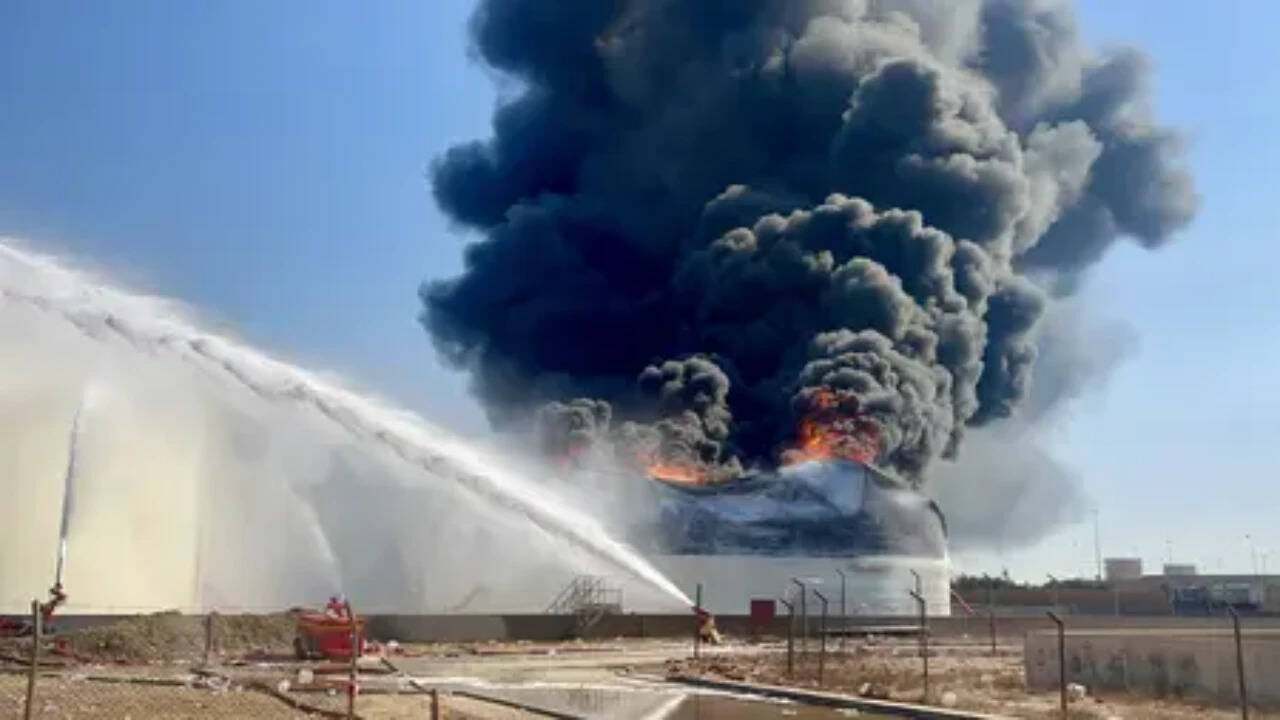
The Strait of Hormuz remains a massive chokepoint where commercial vessels face continuous disruptions, mine strikes, and mandatory inspections. Energy markets feel every ripple of this tension, as tankers reroute or sit stranded under threat of interception.
What This Means for Global Security
We are looking at a protracted game of chicken where miscalculation is the biggest hazard. US officials continue to signal restraint, arguing that economic isolation is slowly wearing down the Iranian state. At the same time, regional allies push for harsher deterrence.
If you are tracking international logistics, aviation, or defense stocks, the takeaway is simple. Volatility is the permanent baseline for the foreseeable future. Commercial airlines are already adjusting flight paths to avoid restricted airspaces, and defense installations globally are quietly beefing up early-warning radar arrays.
The threat of a wider war isn't an abstract theory anymore. It's the active framework shaping military deployments from the Persian Gulf to Western Europe. Keep an eye on how intelligence agencies track missile replenishment rates and naval movements, because those metrics will dictate whether this cold war stays cold or boils over.