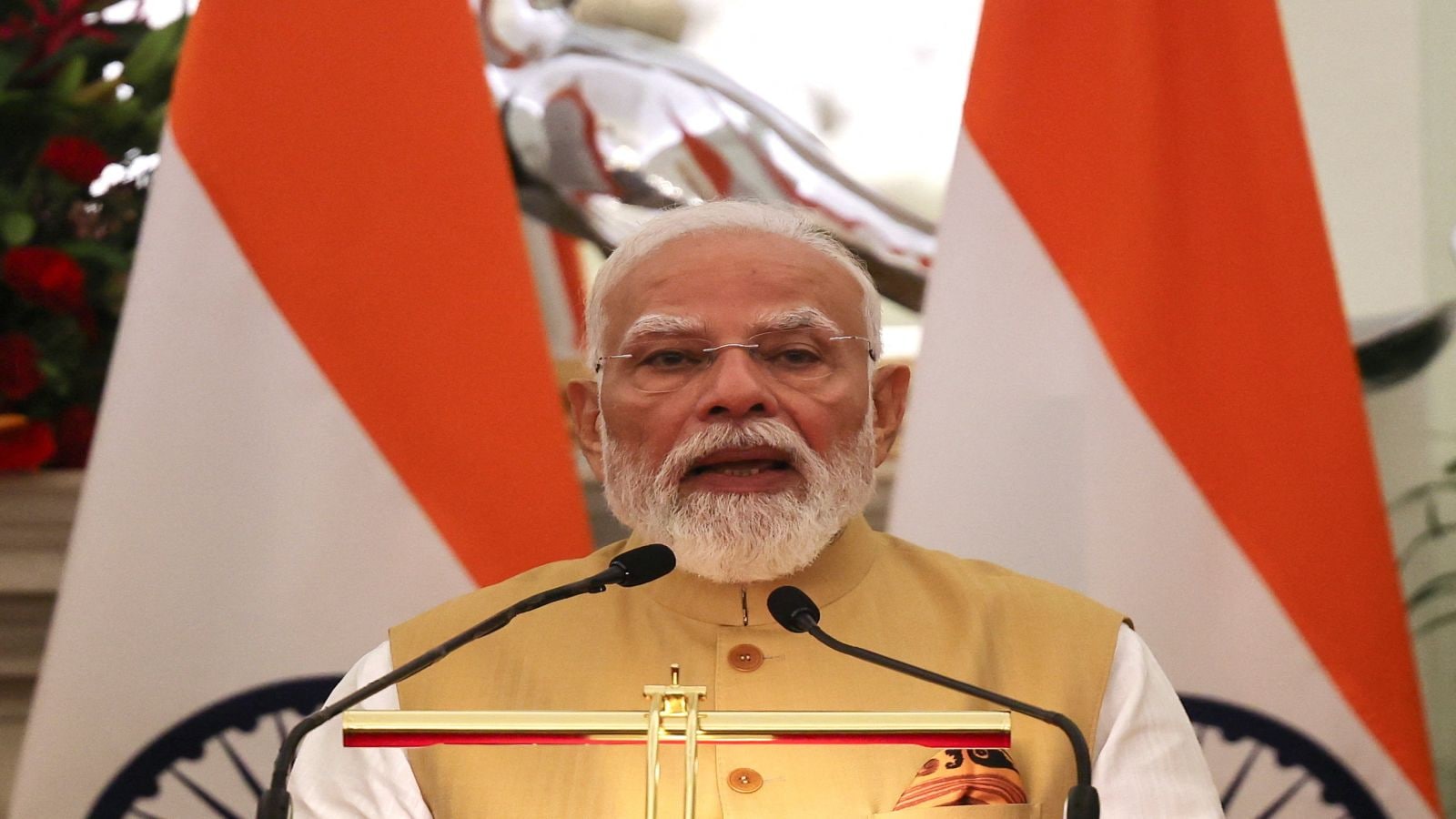
Every major newsroom spent the week breathlessly covering Prime Minister Narendra Modi and Xi Jinping touching down in Kyrgyzstan for the latest Shanghai Cooperation Organisation gathering. Analysts reached for their favorite worn-out templates, typing out predictable nonsense about diplomatic optics, handshakes on red carpets, and the grand architecture of Eurasian security.
They are selling you a fairy tale because the truth is far too boring for television ratings.
The standard media narrative assumes that when two nuclear-armed rivals share a banquet table or exchange stiff pleasantries under the flashbulbs, actual geopolitical progress is happening. I have spent two decades watching these high-level summits from the inside, sitting through closed-door briefings where career bureaucrats craft communiques that mean absolutely nothing before heading to five-star hotel bars. I have watched governments burn millions of dollars on photo-ops that yield precisely zero policy changes on the ground.
The lazy consensus is that multilateral talk shops like this block control the future of the continent. Let us look at the actual mechanics of modern statecraft. Bilateral friction between New Delhi and Beijing is not going to dissolve because of a scheduled thirty-minute chat brokered by a third-party host in Bishkek. The structural contradictions are too deep, the border disputes too intractable, and the economic divergences too wide.
Yet, the coverage treats these summits like high-stakes poker matches. They are not. They are expensive, highly choreographed exercises in domestic political theater. Modi needs to look statesmanlike for a domestic constituency obsessed with global footprint expansion. Xi needs to project regional dominance against an American containment strategy that keeps tightening. Kyrgyzstan provides the neutral stage. Everyone plays their assigned role, the press writes their predictable copy, and nothing changes.
The Myth Of Eurasian Solidarity
The core falsehood peddled by international relations pundits is that the organization represents a cohesive anti-Western bloc united by shared ideology or economic vision.
Look past the glossy rhetoric of the joint declarations. What does a Central Asian republic share in strategic outlook with South Asia beyond a map border? Absolutely nothing. The internal friction within the grouping makes any meaningful collective action virtually impossible. India and China are locked in a silent, grinding cold war across the Himalayas and the Indian Ocean. Pakistan and India treat every regional forum as a proxy battleground for rhetorical sniping. Russia, increasingly junior in its economic partnership with Beijing, views Central Asia through the anxious lens of a fading imperial power trying to retain its backyard.
When you pack all of these competing ambitions into a single room, you do not get a unified security architecture. You get gridlock.
I watched a senior trade negotiator try to push through a simplified transit corridor agreement at one of these regional summits years ago. It took four years of endless meetings just to agree on a comma placement, and by the time the ink dried, bilateral tariffs had shifted rendering the entire treaty obsolete. That is the reality of multilateral bureaucracy. It moves at the speed of glacial drift while commercial realities shift daily.
Why Media Outlets Love The Theater
Why do smart journalists write about these summits as if history is being made? Because access journalism demands it.
Foreign ministries feed reporters a steady diet of structured leaks and carefully angled photos. If you stop playing along and point out that the emperor has no clothes—that the summit is essentially an expensive speed-dating event for leaders avoiding real diplomatic breakthroughs—your accreditation gets pulled and your scoops dry up.
So the machine perpetuates itself. A headline drops about Modi and Xi arriving in Bishkek, the algorithms spike, engagement metrics soar, and retail investors or curious citizens walk away believing a new world order is being forged over afternoon tea.
It is not. Real geopolitical realignment happens in quiet procurement offices, through stealthy supply chain diversification, and via backchannel intelligence sharing that never sees a press release. It happens when semiconductor manufacturing shifts away from vulnerable straits, or when sovereign wealth funds quietly reallocate capital from one hemisphere to another. None of those high-impact moves happen under the television lights of a regional summit.
The Real Game Being Played
While everyone is staring at the handshakes in Kyrgyzstan, watch the balance sheets and the logistics chains.
China is not securing its western flank through multilateral communiques; it is doing it through debt-trap infrastructure loans and dominant extraction rights. India is not countering that influence by signing generic security declarations; it is doing it by aggressively building bilateral maritime partnerships in the Indo-Pacific and securing critical mineral supply lines independently.
The participants know this. The diplomats know this. The only people who do not seem to know this are the commentators treating every arrival schedule like a major historical turning point.
Stop reading the tea leaves of diplomatic protocol. Ignore the body language analysis of leaders walking down tarmac stairs. When governments spend millions broadcasting how well they are getting along in a conference hall, check your portfolio and your supply lines, because the real conflict is happening somewhere else entirely.