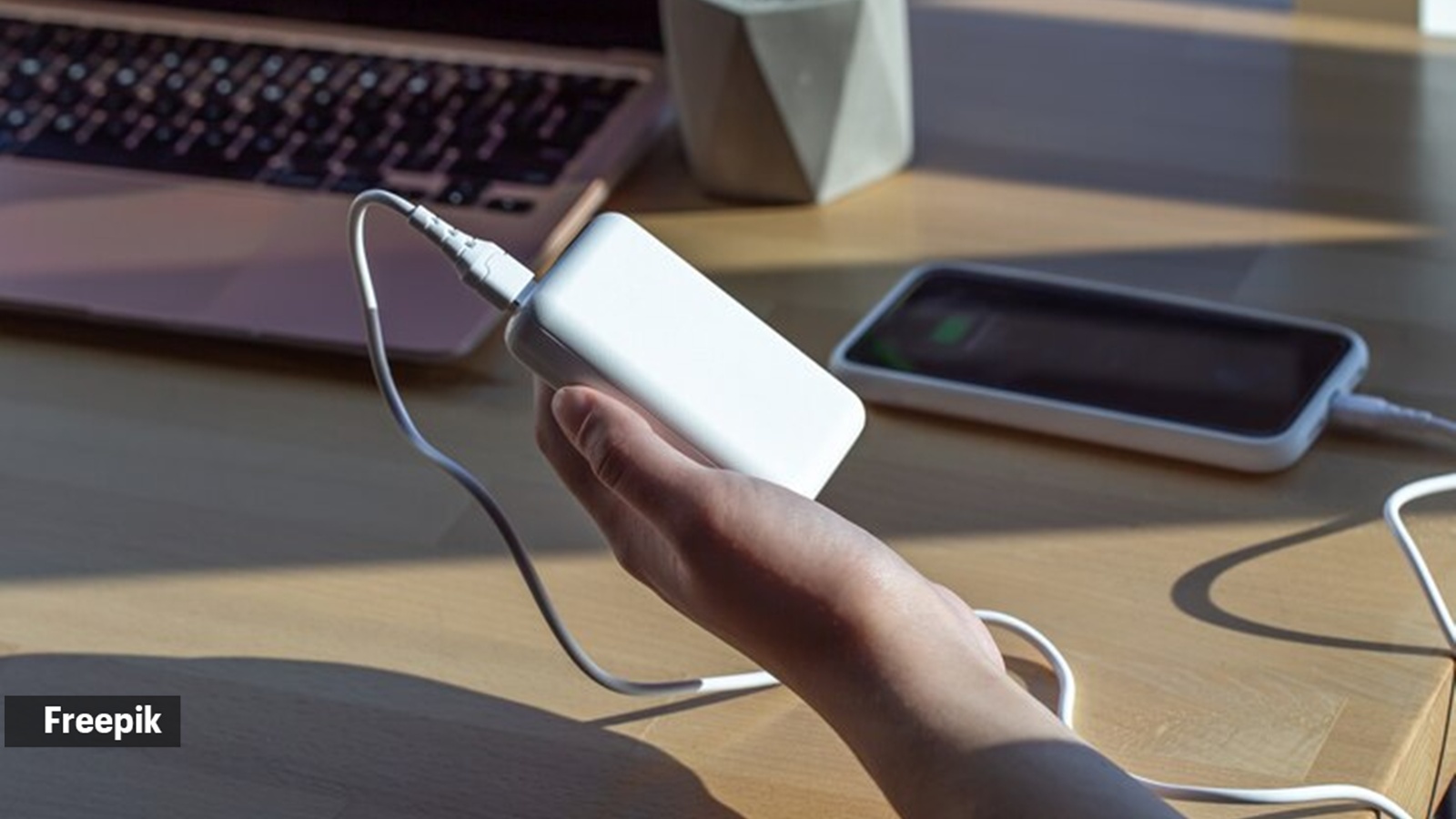
The cabin lights dim somewhere over the Rocky Mountains. It is 3:15 AM. Most of the 180 passengers aboard the Boeing 737 are asleep, their heads tilted against cheap pillows, breathing in sync with the low, hypnotic hum of the turbofan engines. In seat 14B, a smartphone sits plugged into a portable power bank tucked into the seatback pocket. The passenger is dreaming.
Beneath the plastic shell of that power bank, molecules are vibrating.
A microscopic flaw—perhaps a tiny fleck of dust introduced during manufacturing three years ago, or a microscopic tear in a polymer separator caused when the passenger dropped their bag on the tarmac—is failing. Lithium ions, which normally march in an orderly fashion back and forth between electrodes to power our digital lives, begin to short-circuit.
The temperature inside the battery zips past 140 degrees Fahrenheit. Then 200. Then 300.
At this point, a phenomenon known as thermal runaway begins. It is an unstoppable chemical domino effect. The battery begins to generate more heat than it can dissipate. The liquid electrolyte inside boils, pressurizing the casing.
A thin wisp of acrid, gray smoke snakes out of the seatback pocket. It smells like burning pennies and rotten plastic.
To understand why aviation safety regulators spend sleepless nights obsessing over the gadgets in your carry-on, you have to look past the slick marketing of modern electronics. We live in an era powered by localized energy density. We demand that our phones charge in fifteen minutes and last for forty-eight hours. To achieve that, manufacturers pack an astonishing amount of chemical energy into spaces no thicker than a deck of cards.
When you fly, you are trapped in a metal tube pressurized to an equivalent altitude of 8,000 feet, cruising through an environment where the outside temperature is minus sixty degrees, flying at 500 miles per hour.
You are traveling inside a miracle of engineering. But it is a fragile ecosystem.
The Chemistry of a Tiny Cage
A lithium-ion battery is essentially a controlled chemical reaction kept inside a tiny, pressurized cage. On one side, you have a cobalt or manganese oxide cathode. On the other, a graphite anode. Between them sits a micro-thin plastic separator and a highly flammable liquid hydrocarbon electrolyte.
When the battery functions normally, it is beautiful. Ions flow smoothly, delivering the steady current that lets you scroll through videos or finish a work presentation at 35,000 feet.
But lithium is an inherently volatile element. It loves to react. It wants to burn.
If that ultra-thin plastic separator fails, the anode and cathode touch. Imagine a floodgate bursting. All the stored electrical energy rushes through that single point of contact instantly. This creates a localized hot spot. The surrounding electrolyte vaporizes, generating oxygen gas as it breaks down.
Here is the terrifying catch about lithium battery fires: they create their own oxygen fuel supply as they burn.
You cannot smother a lithium fire the way you smother a grease fire on a kitchen stove. Dropping a blanket over it does nothing. The chemical reaction keeps feeding itself, generating temperatures that can easily exceed 1,000 degrees Fahrenheit. That is hot enough to melt aluminum.
Why the Cargo Hold is a Graveyard for Electronics
For decades, the public believed the primary danger of flight lay in structural failure or engine loss. The modern reality is far more insidious. The greatest threat to a commercial aircraft often comes from inside the cabin, packed neatly into a designer suitcase.
Consider what happens if that power bank isn't in seat 14B. Imagine it is checked into the cargo hold, buried beneath three hundred layers of nylon duffel bags, winter coats, and leather boots.
If thermal runaway triggers a fire in the belly of the plane, there is no human there to smell the acrid smoke. There is no flight attendant to intervene.
Aircraft cargo holds do have fire suppression systems. They are designed to flood the compartment with Halon gas, which starves a fire of oxygen. But remember the fundamental chemistry of thermal runaway: the exploding battery produces its own oxygen. The Halon gas floats uselessly around the suitcase while the core continues to white-hot melt through everything nearby.
The fire spreads from the power bank to the laptop next to it. Then to the spare camera batteries. This is known as battery cascading. A single failure turns into a chain reaction of miniature explosions.
This isn't a hypothetical horror story. It is historical fact.
In 2010, a UPS cargo plane crashed in the desert near Dubai. The culprit was a massive shipment of lithium batteries that entered thermal runaway in the cargo deck. The fire grew so hot, so fast, that it burned through the control cables and filled the cockpit with toxic, blinding smoke within minutes. The pilots couldn't see their instruments. They couldn't breathe.
That disaster, along with several others, fundamentally changed global aviation law. It is the exact reason why airline agents look you in the eye at the check-in counter and ask, with absolute seriousness, if you have any spare lithium batteries, e-cigarettes, or power banks in your checked luggage.
They aren't trying to be annoying. They are trying to keep the plane from burning from the inside out.
The Human Line of Defense
Back in the cabin, the wisp of smoke from seat 14B turns into a sharp hiss. A passenger in 14C wakes up, gasping, coughing at the chemical stench. They scream. Panic is a secondary contagion in an aircraft cabin; it spreads faster than fire.
This is where the human element becomes the only thing standing between a scary incident and a catastrophe.
Flight attendants undergo rigorous, brutal training to handle this exact second in time. They don't run for a fire extinguisher first. They grab high-tech containment bags made of heavy, multi-layered silica fabric designed to withstand temperatures up to 2,000 degrees.
But first, they need to cool the battery.
Because a lithium fire creates its own oxygen, the only way to stop the chain reaction is to drive the temperature down below the critical threshold. And the best medium available on a commercial flight to cool something down?
Water. Or juice. Or soda. Anything cold and liquid.
Watch a trained flight attendant handle a smoking phone. They will douse the device in liquid, completely submerging it if possible, to rob the chemical reaction of its heat. Only when the hissing stops will they use heavy, heat-resistant gloves to dump the charred, dripping remains into a lithium containment bag.
It looks chaotic. It looks like a mess of spilled ginger ale and melted plastic on the synthetic carpet of the aisle. But it is calculated, lifesaving choreography.
The Cognitive Dissonance of Comfort
We are trapped in a strange cultural paradox. We view our devices as harmless extensions of our hands. We sleep with them next to our pillows. We slip them into our pockets. We forget that inside these sleek, minimalist glass rectangles lies an incredible concentration of raw, volatile chemistry.
The aviation industry spends billions of dollars to ensure that everything on an airplane is redundant. Two engines. Three hydraulic systems. Two pilots.
Yet, every time we board a flight, we introduce hundreds of unvetted, unmonitored chemical reactors into the cabin. We bring cheap, third-party charging cables that bend and fray. We buy knock-off power banks from online marketplaces that lack basic thermal cutoff switches. We shove overstuffed laptops into tight overhead bins where they are compressed and crushed.
We accept this risk because we cannot imagine a world without our screens. The thought of a ten-hour flight to London without a tablet or a phone feels like a form of medieval torture to the modern mind.
So, the regulators compromise. They allow the batteries, but only where humans can watch them. They rely on your awareness and the flight crew’s training.
The real danger isn't the technology itself. It is our complacency. It is the casual way we drop a heavy suitcase onto a backpack containing a spare drone battery. It is the way we ignore the warning signs—a phone that runs strangely hot, a tablet with a screen that is beginning to bulge slightly from an expanding pouch.
The next time you settle into your seat and listen to the flight attendants go through their safety briefing, look around the cabin. Every glowing screen, every wireless headphone, every vape pen tucked into a pocket is a tiny, calculated gamble.
The air hissed loudly in seat 14B as the flight attendant dumped a large pitcher of ice water directly into the seatback pocket. A thick cloud of steam erupted, triggering the localized smoke detector with a shrill, piercing beep. The passenger in 14B sat frozen, staring at the blackened, ruined piece of plastic that, just moments before, was merely an inconspicuous gray block used to keep a phone alive.
The steam cleared. The hissing died down to a faint, pathetic gurgle. The plane flew on through the dark, silent sky, held aloft by engineering, saved by a pitcher of water and a crew that understood exactly what happens when the invisible stakes inside our pockets suddenly become visible.