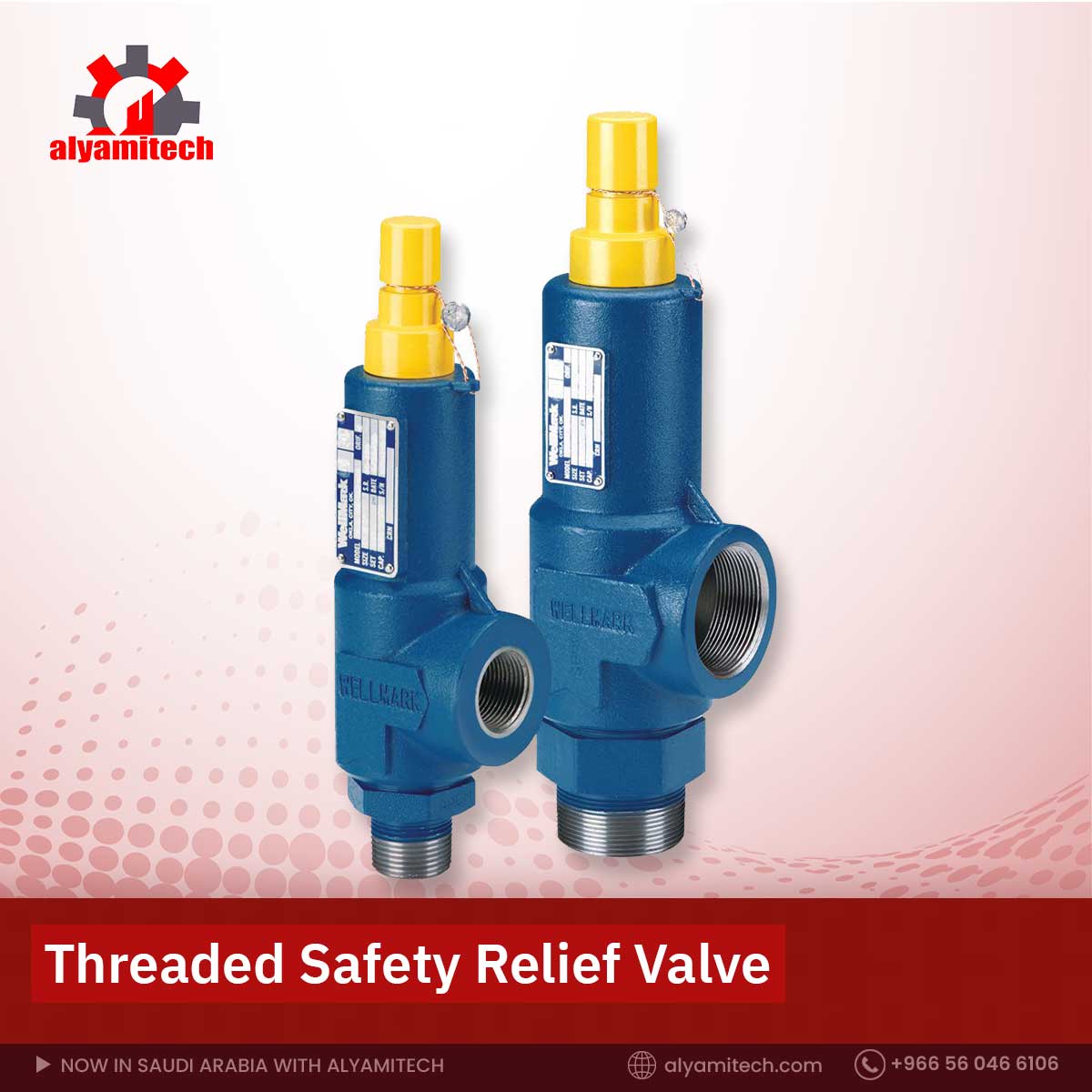
For years, global energy markets relied on a simple safety mechanism. Whenever supply shocks hit or prices wobbled, Riyadh possessed the unique financial muscle and spare crude capacity to act as the ultimate shock absorber.
That structural cushion is disappearing.
Saudi Arabia is quietly shifting away from its historical role as the world's swing producer. Between massive domestic diversification bills under Vision 2030, shifting capital expenditure priorities at Saudi Aramco, and a hard look at long-term fiscal breakeven targets, the Kingdom's priorities have changed. They aren't spending billions to maintain idle pumps just so Western economies can enjoy cheap fuel during geopolitical crises.
If you think energy markets will operate the same way they did ten years ago, you're missing the plot. Let's look at why this safety valve is welding shut and what it means for everyone else.
The Cost of Keeping Spare Capacity Alive
Maintaining millions of barrels per day of spare crude production capacity isn't cheap. It requires relentless capital investment, advanced reservoir management, and constant infrastructure maintenance for oil fields that sit closed.
For decades, state planners viewed this expenditure as the price of geopolitical leverage. By keeping spare capacity between two and four million barrels daily, Riyadh could stabilize international prices and keep Washington happy.
Times have changed. Mega-projects like NEOM, the Red Sea development, and domestic renewable energy grids demand astronomical amounts of capital. Pouring billions of dollars into idle oil wells conflicts directly with funding a post-oil domestic economy. When you look at Aramco's recent strategic pivots, the message is clear. Every riyal spent keeping emergency crude in reserve is a riyal not spent on domestic industrialization, artificial intelligence investments, or clean hydrogen.
The math simply doesn't work anymore.
What Happens When the Cushion Disappears
When a market loses its primary shock absorber, volatility becomes the default state.
Historically, any sudden supply disruption in the Middle East or North Africa triggered an immediate response from Riyadh to soothe nervous traders. Without that automatic cushion, minor supply glitches will translate into violent price spikes. Refiners, airlines, and logistics companies are already pricing this structural vulnerability into their long-term supply agreements.
Think about how modern supply chains react to friction. When inventory buffers shrink in manufacturing, a single factory fire causes global shortages. Energy markets are heading toward that exact same fragile equilibrium. The spare capacity safety valve acted as an all-weather insurance policy. Now that the policy is lapsing, everyone has to self-insure.
The Domestic Imperative Driving the Shift
Foreign analysts often misread Riyadh's actions through a purely geopolitical lens, assuming production cuts and capacity freezes are tactical plays against rival energy exporters.
They ignore the domestic pressure cooker.
Saudi Arabia's population is young, highly connected, and demanding high-paying private sector jobs. Oil revenues alone cannot sustain public sector employment growth forever. The leadership knows their window to transition the economy is finite.
Building a modern economy from scratch requires eye-watering amounts of liquidity. Funding those projects means maximizing net revenue per barrel rather than maximizing volume for global market stability. If tightening supply supports higher price floors needed to balance government budgets, that trade-off makes complete sense from a national interest perspective. Global consumers are no longer the primary stakeholders in Saudi energy policy. Domestic citizens are.
Navigating a Post-Relief Era
Adapting to this new reality requires a completely different approach to risk management.
If you run an energy-intensive business, stop budgeting based on historical price mean-reversion. Cheap oil spikes smoothed out by friendly intervention belong in the past. Long-term hedging strategies and localized efficiency gains are the only reliable defense against sudden supply squeezes.
Governments are waking up to this vulnerability too. Strategic petroleum reserves managed by consuming nations will face unprecedented stress tests in the coming years. Relying on foreign swing producers to bail out domestic economic miscalculations was always a risky bet. Now, it's an obsolete one.
The relief valve isn't just sticking. It's rusted shut. Plan accordingly.