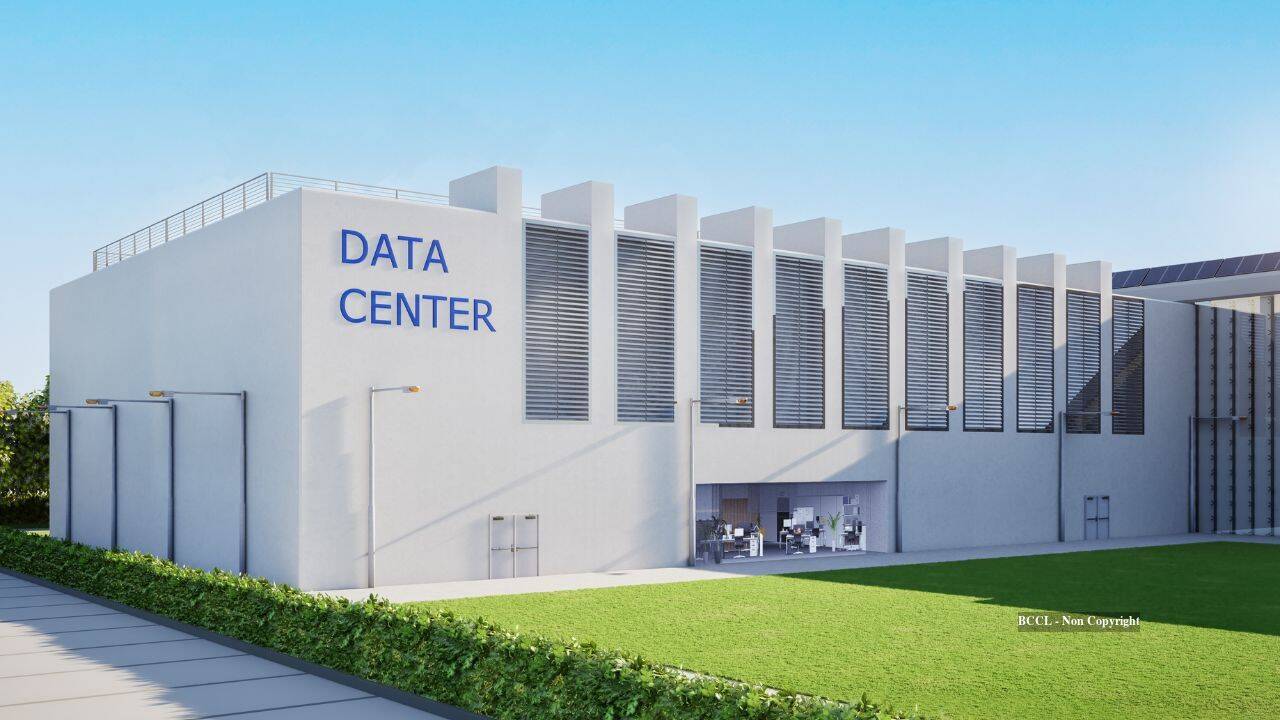
The Wright family wants to turn roughly 850 acres along the Hiwassee River in Bradley County, Tennessee, into Project River, an $11.3 billion industrial and energy campus centered around on-site power generation and a massive data center. Residents near Cleveland have pushed back hard over river protection, noise, agricultural land loss, and a fast-moving rezoning map that shifts oversight from county rules to city terms.
Surface-level coverage frames this fight as a polite tug-of-war between rural landowners and worried neighbors. That misses the mechanics. When you trace the filing dates and zoning numbers, Project River becomes a case study in how mega-projects test local guardrails before a single shovel hits dirt.
The Numbers Behind the Campus
Read the public statements carefully. Then read the math.
Developers have publicly insisted the site is not merely a data center and have acknowledged there is no signed tenant or power offtaker locked in yet. Yet the project's own cost and staffing figures tell a clearer story about what the 850 acres are built to become. Roughly $7.3 billion of the $11.3 billion price tag is earmarked for data center buildings—around 65 percent of the proposed capital—while 525 of the 900 projected permanent jobs sit in data center operations.
That gap between rhetoric and blueprint explains why residents feel whiplash. People hear "energy campus" and picture flexible industrial growth. Then they see a capital structure heavily weighted toward server halls and behind-the-meter power.
Consider a hypothetical example to see how those numbers collide in practice. Suppose a county approves an industrial footprint sized for a gigawatt-scale computing load, but the named anchor tenant walks away during financing. The concrete pads and generation equipment already exist, while the local tax and jobs math changes overnight.
Why Annexation Changes the Rules
Jurisdiction is everything in land-use fights. Everything.
In April 2026, the Bradley County Commission unanimously passed strict data center rules barring facilities within 3,000 feet of forestry, agricultural, or residential zones, as well as existing homes, schools, or churches. County officials framed those limits as the toughest defensible standard they could enact. Four months later, in late August 2026, the Wright family submitted the 850 acres west of Interstate 75 and north of Old Lower River Road NW for annexation into the City of Cleveland and rezoning under Planned Unit Development 77, proposing a 500-foot setback.
Moving Out of County Reach
A 3,000-foot buffer is more than half a mile. Five hundred feet is barely a football field and a half.
Moving land from county control into municipal jurisdiction is not automatically an end-run; large developments routinely seek city annexation for water lines, sewer capacity, fire service, and tailored zoning classifications. Still, the practical effect is unmistakable. What looked nearly impossible under county rules suddenly enters a city process with a setback six times shorter.
Neighbors watching that sequence do not need a law degree to spot the stakes. Once land crosses into city limits under a negotiated planned unit development, the baseline rules of the game reset.
What the Hiwassee River Means to Locals
River corridors carry memories that spreadsheets cannot capture. Along the Hiwassee River, land is not just acreage on a surveyor's plat; it is fishing access, family farms, quiet mornings, and downstream water quality.
Environmental Guardrails vs. Industrial Scale
Opponents point to an obvious tension: putting heavy energy infrastructure and large-scale cooling or generation next to a major river changes the character of the area permanently. Even when developers promise green space buffers, emissions limits, and required hydrology, traffic, and spill studies prior to permitting, residents worry those promises arrive too late in the sequence.
There is a legitimate gray area here. Industrial sites can incorporate setbacks, noise walls, and strict environmental conditions that reduce day-to-day impacts. At the same time, an $11.3 billion buildout on 850 acres alters traffic patterns, utility demand, and surrounding land values regardless of how tidy the site plan looks on paper.
Where the Leverage Actually Sits
Public hearings feel like a referendum, yet annexation and rezoning votes are legislative acts taken by elected officials under specific statutory standards. Shouting at a microphone vents frustration, but conditions written into a planned unit development ordinance are what actually bind a developer later.
- Verify binding conditions before final votes: Demand enforceable limits on noise, emissions, glare, and water use inside the ordinance text rather than vague assurances of future studies.
- Track infrastructure costs: Check who pays for road upgrades, emergency response capacity, and utility extensions if the project scales down or shifts phases.
- Watch the tenant and power picture: Press for clarity on how on-site generation operates, what happens without a confirmed user, and how grid and water resources are protected.
Residents who want real influence should stop arguing over whether Project River is a data center or an energy campus and start dissecting every line of the proposed zoning conditions before the council casts its final vote.