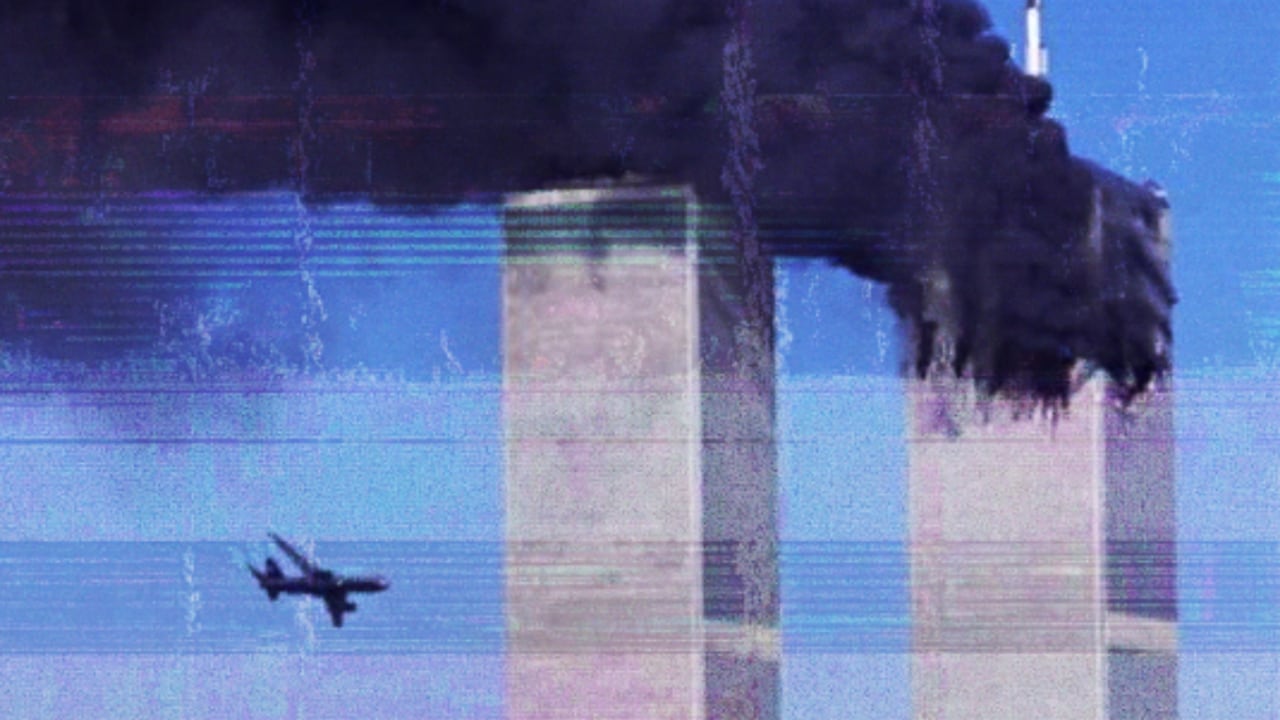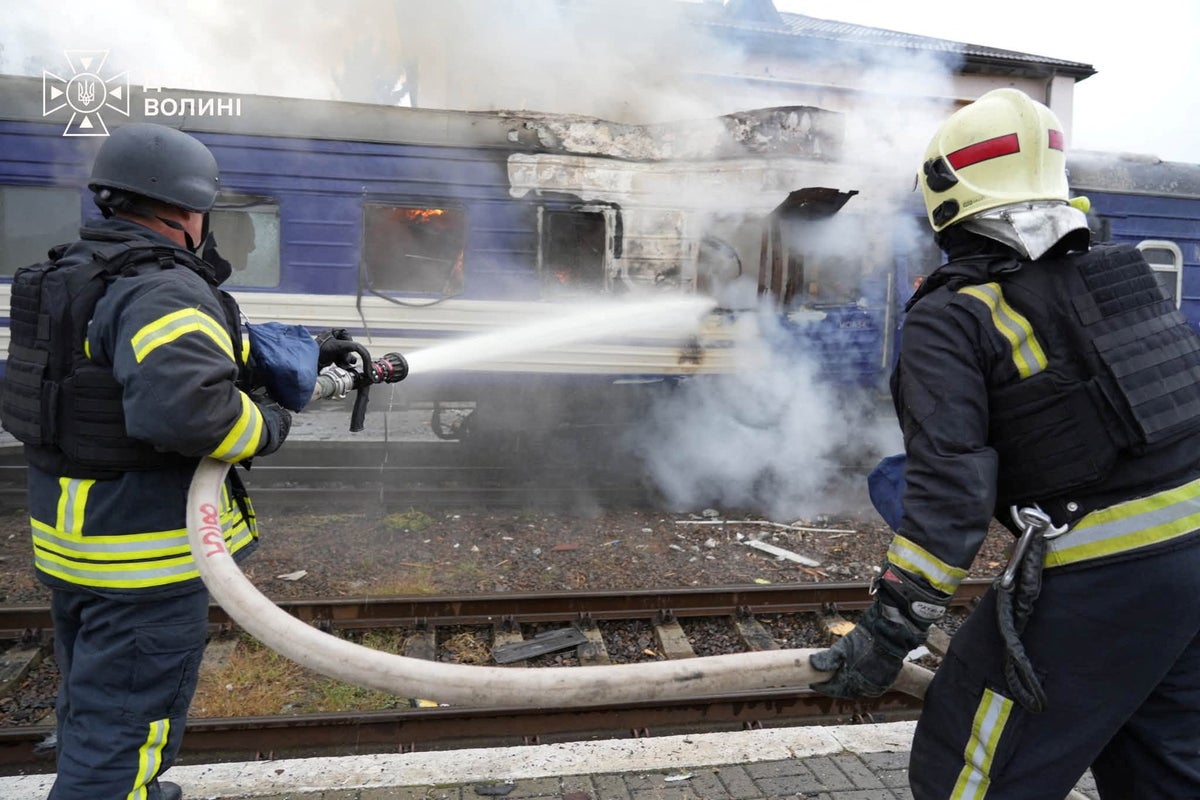
Every time a former prime minister pops up in front of a microphone to solemnly denounce an adversary’s "warped logic" after a theatrical close call on a railway line, a collective sigh of relief ripples through Western media rooms. It is a comforting ritual. It transforms a grinding, catastrophic industrial war of attrition into a morality play featuring a clear-cut villain whose mind has supposedly slipped the moorings of rational thought.
Let us dispense with the polite fiction right now.
The logic guiding the Kremlin is not warped. It is not irrational. It is cold, predictable, and terrifyingly aligned with the historical survival mechanics of an entrenched autocracy. Labeling an opponent "crazy" or "unhinged" is not analysis; it is an intellectual sedative. It allows commentators and retired politicians to avoid looking in the mirror and confronting the structural failures of Western strategy, the limits of sanctions, and the grim reality of industrial-scale combat.
When a prominent political figure steps onto a platform to deliver another soundbite about twisted mindsets, they are playing a familiar character in a well-worn script. It is performative geopolitics at its finest. A train allegedly dodging a drone attack makes for high-octane cable news, perfect for cementing the image of defiant statesmen braving the elements. But it completely obscures the actual physics of the conflict. Drones do not care about rhetorical flourishes. Artillery shells do not alter their ballistic trajectories because a politician delivered a scathing condemnation on a morning talk show.
For years, the mainstream narrative has peddled a comforting myth: that the adversary is stumbling blindly into a corner, completely detached from reality, and that a single major speech, a clever sanction package, or a dramatic tactical near-miss will shatter their resolve. This is dangerous wishful thinking.
To understand why this perspective is fundamentally flawed, we have to look past the theatrical headlines and examine the actual incentives driving modern state violence.
The Autocrat's Rational Calculus
Consider a simple reality check. If an adversary’s strategy were truly the product of a broken mind or random impulses, it would be unpredictable, erratic, and prone to sudden internal collapse under pressure. Yet, look at the behavior over the last several years. It has been remarkably consistent.
Autocrats do not operate on the same ethical or political timelines as democratic leaders whose terms expire every four or five years. Their horizon is absolute survival. In that context, every escalation, every mobilization wave, and every calculated risk on the battlefield serves a very specific internal purpose. It reinforces domestic control. It signals resolve to internal elites. It punishes dissent.
When we call this "warped," we reveal our own provincial bias. We assume that the ultimate goal of every leader on the planet is integration into the global liberal economic order, adherence to international norms, and the approval of Western capitals. When a leader shatters those assumptions, we dismiss them as mad rather than acknowledging a terrifying truth: they are playing a completely different game with an entirely different set of rules and survival metrics.
By reducing political calculation to psychological pathology, we absolve ourselves of the need to study their actual constraints. We pretend that they are running out of resources tomorrow, that their population is on the verge of a spontaneous revolution, and that economic restrictions are a silver bullet. None of this holds up against historical data.
The Illusion of Sanction Magic and Economic Collapse
Let us look at the economic narrative. For the past several years, pundits have promised that sweeping financial sanctions would instantly cripple the targeted economy, starve the military machine of basic components, and trigger popular uprisings. When those predictions failed to materialize in the timeline promised by television experts, the narrative shifted slightly, but the underlying arrogance remained intact.
The reality of global supply chains and commodity markets is far more resilient than ideological cheerleaders care to admit. Energy flows adapt. Parallel trade routes emerge. Alternative financial networks solidify. State-directed economies, historically engineered to withstand external shocks and prioritize military output over civilian comfort, can absorb staggering amounts of punishment before showing systemic strain.
When commentators express shock that a targeted nation continues to churn out ordnance and sustain offensive operations despite a barrage of financial restrictions, it shows a profound misunderstanding of how command economies function in wartime. They do not care about inflation rates that would cause a panic in London or Washington. They care about steel production, propellant supply chains, and manpower pipelines. As long as those inputs are secured through bilateral agreements with non-aligned partners, the war machine grinds forward.
Treating this resilience as an anomaly or a temporary glitch is a strategic error of the highest order. It prevents decision-makers from forming a realistic assessment of long-term staying power. If you base your strategy on the expectation that your enemy’s economy is about to implode next Tuesday, you will never build the sustainable, multi-decade industrial base required to meet a generational security challenge.
The Dangers of Theatrical Diplomacy
Then there is the circus of VIP diplomacy. The constant parade of political figures visiting active zones for photo opportunities and soundbites has created a bizarre distortion field around the conflict.
Imagine a scenario where a corporate CEO attempts to solve a massive structural supply chain failure by flying out to a warehouse, posing with a hard hat, and giving an inspiring speech about corporate values, while ignoring the fact that the company's factories are running out of raw materials. That is essentially what high-profile political visits to conflict zones have become.
They provide great television. They generate emotional solidarity. But they do nothing to solve the brutal math of materiel consumption.
Modern high-intensity warfare is an industrial contest. It is a contest of steel, microchips, chemical precursors, and demographic depth. It is won in boring factories, logistics depots, and training camps, not in press conferences. When political figures focus their energy on crafting memorable soundbites about "warped logic," they are catering to domestic audiences who crave moral clarity, but they are failing the people on the ground who need sustained, unglamorous, long-term industrial backing.
What Actual Strategy Requires
If we strip away the moral posturing and the lazy psychological diagnoses, what does a serious, adult approach to this conflict look like?
First, it requires accepting that our adversaries possess a cold, internal logic that makes sense to them, even if it is abhorrent to us. Understanding that logic is mandatory if you want to deter or defeat it. If you think your opponent is insane, you look for psychiatric solutions. If you recognize that they are calculating actors responding to perceived existential threats and opportunities, you look for points of pressure that actually alter their calculus.
Second, it demands a complete overhaul of Western defense industrial capacity. For decades, Western nations dismantled their heavy manufacturing bases, outsourced critical supply chains, and embraced a "just-in-time" economic model that is entirely unsuited for protracted, high-attrition warfare. You cannot fight a prolonged artillery war with PowerPoint presentations and financial derivatives. You need gunpowder, machine tools, and a massive pipeline of raw materials.
The fact that Western nations have struggled to out-produce adversaries who operate on a fraction of their combined GDP is an indictment of short-termist economic thinking. We spent thirty years financializing our economies while our competitors preserved their heavy industrial capacity. Pointing out someone else's "warped logic" does not reload an empty ammunition magazine or manufacture a depleted artillery barrel.
Third, we must abandon the fairy tale of sudden, clean victories. Attritional wars rarely end with a dramatic cinematic climax where the villain realizes the error of their ways and surrenders unconditionally. They end when one side's structural capacity to sustain the violence is utterly exhausted, or when a grinding stalemate forces a grueling, pragmatic renegotiation of borders and spheres of influence.
The Cost of Comforting Fictions
There is a deep ethical hazard in maintaining these comforting illusions. When leaders and media outlets tell the public that the adversary is irrational, weak, on the verge of economic collapse, and driven entirely by madness, they set false expectations. They make people believe that victory is just around the corner, that a single speech or a clever tactical stunt will change everything.
When reality inevitably pushes back—when the lines remain locked, when the casualties mount, when the industrial bottlenecks persist—the public experiences whiplash. Cynicism replaces optimism. Fatigue sets in. Support frays.
Honesty is a prerequisite for endurance. If we want to understand why conflicts persist and how they actually evolve, we have to stop treating state violence as a psychological aberration and start treating it as the grim, rational continuation of geopolitical competition by other means.
The next time a politician steps before a camera to denounce an enemy's twisted mindset after a close call on a train, turn off the television. Look past the theater. Look at the balance sheets, the factory output tables, the logistics networks, and the demographic data. That is where history is actually being written. And until we match the cold, hard seriousness of our competitors with our own industrial and strategic realism, no amount of moral condemnation will change the outcome on the ground.