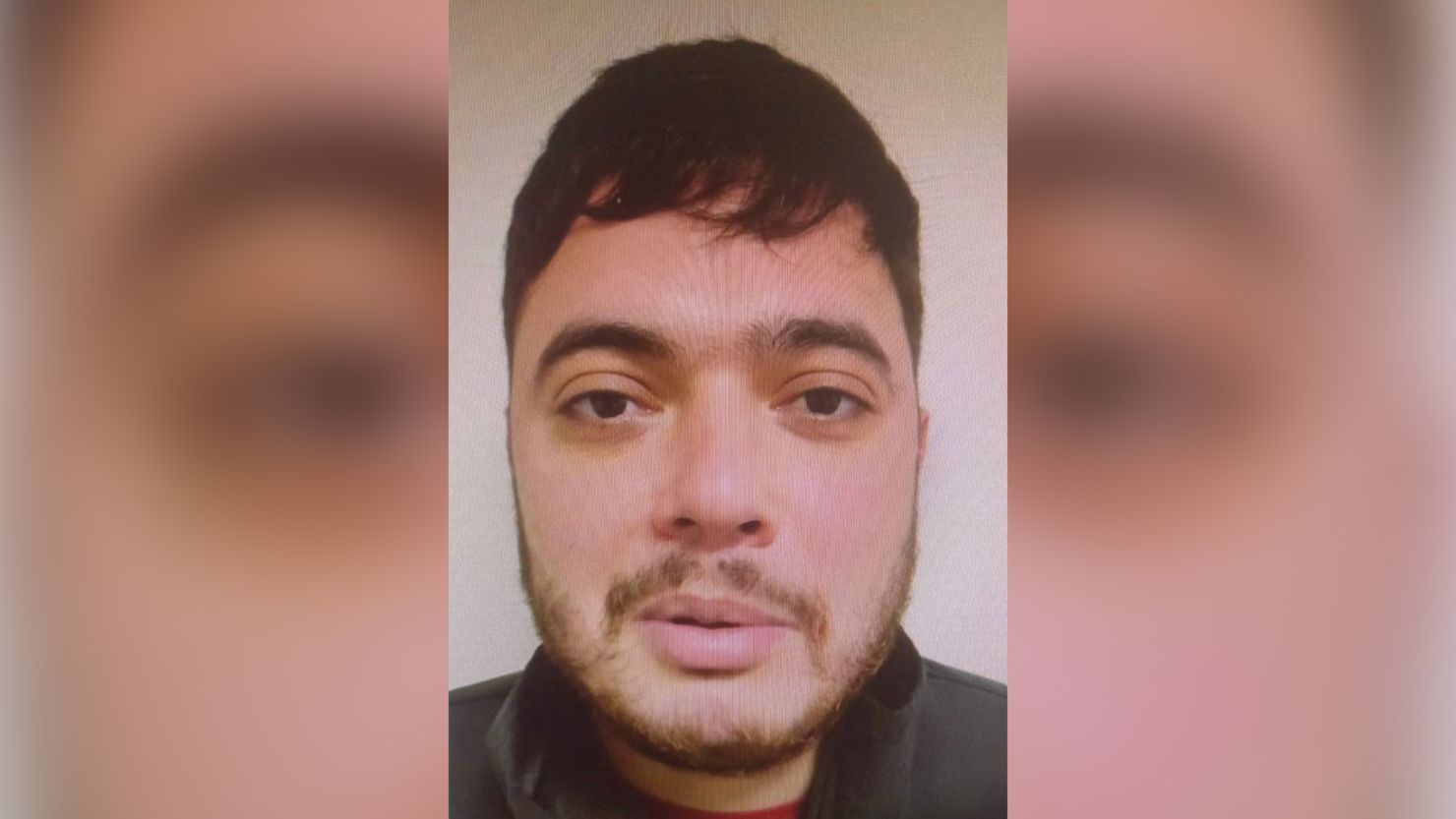
The headlines are singing a familiar, comforting tune. Four more suspects in custody. The dragnet is tightening. Justice is coming for "The Fly."
It is a lie.
The recent detention of four additional individuals linked to the brazen May 2024 breakout of Mohamed Amra isn't a sign of a high-functioning justice system. It is the frantic, retrospective scrambling of a state that allowed its monopoly on violence to be auctioned off to the highest bidder in a prison transport van. We are being told to celebrate the cleanup crew while the house is still leveled.
If you think catching these four accomplices matters in the grand scheme of European security, you are looking at the wrong map.
The Myth of the Mastermind
The media loves a Moriarty. They’ve painted Mohamed Amra as a tactical genius, a ghost who orchestrated a flawless military-grade extraction.
He isn't. Amra is a symptom, not the disease.
The "lazy consensus" suggests that the French police are finally winning because they are rounding up the periphery. But in the world of high-level narcotics and organized crime, the periphery is designed to be rounded up. These four new detainees are likely interchangeable parts—logistics handlers, burner-phone providers, or low-level muscle.
The real failure isn't that Amra escaped; it’s that the French penal system provided him the perfect office space to plan it. I have watched intelligence agencies across the continent dump millions into "enhanced surveillance" only to realize the target was using a €30 contraband smartphone and a corrupt guard to run a multi-million euro drug empire from a cell.
High Security is a Paper Tiger
Let’s dismantle the biggest fallacy in the room: the idea that Amra was a "high-risk" prisoner.
Technically, he was. Practically, he was treated like a commuter. The May ambush at the Incarville toll booth happened because the state prioritized routine over reality. They moved a known gang leader with a history of escape attempts in a soft-skinned vehicle with a standard escort.
Two officers died because the French Ministry of Justice played a game of "budgetary optimization" with human lives.
The four new arrests do nothing to address the structural rot:
- The Proximity Problem: European prisons are currently finishing schools for the next generation of cartels. You put a middle-market dealer in a cell, and he comes out with the contact list of a warlord.
- The Intelligence Gap: The state is always reactive. They are "widening the search" months after the trail went cold. Amra isn't hiding in a basement in Marseille; he’s likely thousands of miles away, shielded by the very sovereign borders that his pursuers are forced to respect.
The Counter-Intuitive Truth About "More Arrests"
When the police announce "new suspects detained," it is often a sign of desperation, not progress.
In complex criminal investigations, you want the big fish to lead you to the ocean. By arresting four mid-tier associates now, the French authorities are effectively burning their own leads. It’s a PR move designed to satisfy a public screaming for blood.
Every time a door is kicked in for a secondary suspect, the primary target moves further into the shadows. If these four had anything of actual value regarding Amra’s current location, they wouldn’t have been sitting in France waiting to be picked up. They are the "disposable layer."
The state is celebrating the capture of the packaging while the product is long gone.
Stop Asking How He Escaped
The press keeps asking how the ambush was executed. They analyze the CCTV footage of the black Peugeot and the long guns like it's a Hollywood breakdown.
The better question—the one the authorities are terrified to answer—is: Who authorized the vulnerability?
You don't pull off a coordinated hit on a prison convoy with "luck." You do it with metadata. You do it with the exact schedule of the transport. You do it by knowing which toll booth has the slowest response time.
The four suspects in custody are the hands. We haven't even looked for the eyes inside the administration.
The Logistics of the Modern Outlaw
We are witnessing the "Uber-ization" of prison breaks. Amra didn't need a loyal gang of brothers-in-arms. In the modern criminal economy, you can outsource an extraction. You hire the drivers from one group, the shooters from another, and the "cleaners" from a third.
This fragmentation makes the traditional "round up the usual suspects" approach obsolete. When the French police arrest four people, they are likely arresting three different subcontractors who don't even know where the main contractor is.
The French state is fighting a decentralized, modular network using a 19th-century centralized playbook.
Why This Ends Badly for Everyone
The result of this "widening case" won't be a safer France. It will be a more performative one.
We will see:
- Security Theater: Heavier chains, louder sirens, and more armored cars that provide a sense of safety without addressing the internal leaks.
- Diluted Resources: While hundreds of officers hunt for the "associates of an associate," actual preventative intelligence on the next Amra is being ignored.
- The Martyrdom of the Minor: These four suspects will be processed through a sluggish legal system, potentially radicalized further, and returned to the same prison ecosystem that started this mess.
The hard truth is that the French state was humiliated on a global stage, and no amount of "detaining suspects" can un-ring that bell. The monopoly on force was broken.
If you want to stop the next Mohamed Amra, you don't do it by arresting the guys who bought the getaway car. You do it by admitting that the current prison-industrial complex is a subsidized logistics hub for the very people it claims to hold.
Until the French government stops treating these escapes as "isolated incidents" and starts treating them as the logical outcome of a decayed system, Mohamed Amra isn't just a fugitive.
He’s the new blueprint.
Stop looking at the four men in handcuffs. Start looking at the empty seat in the van that the state still hasn't explained.