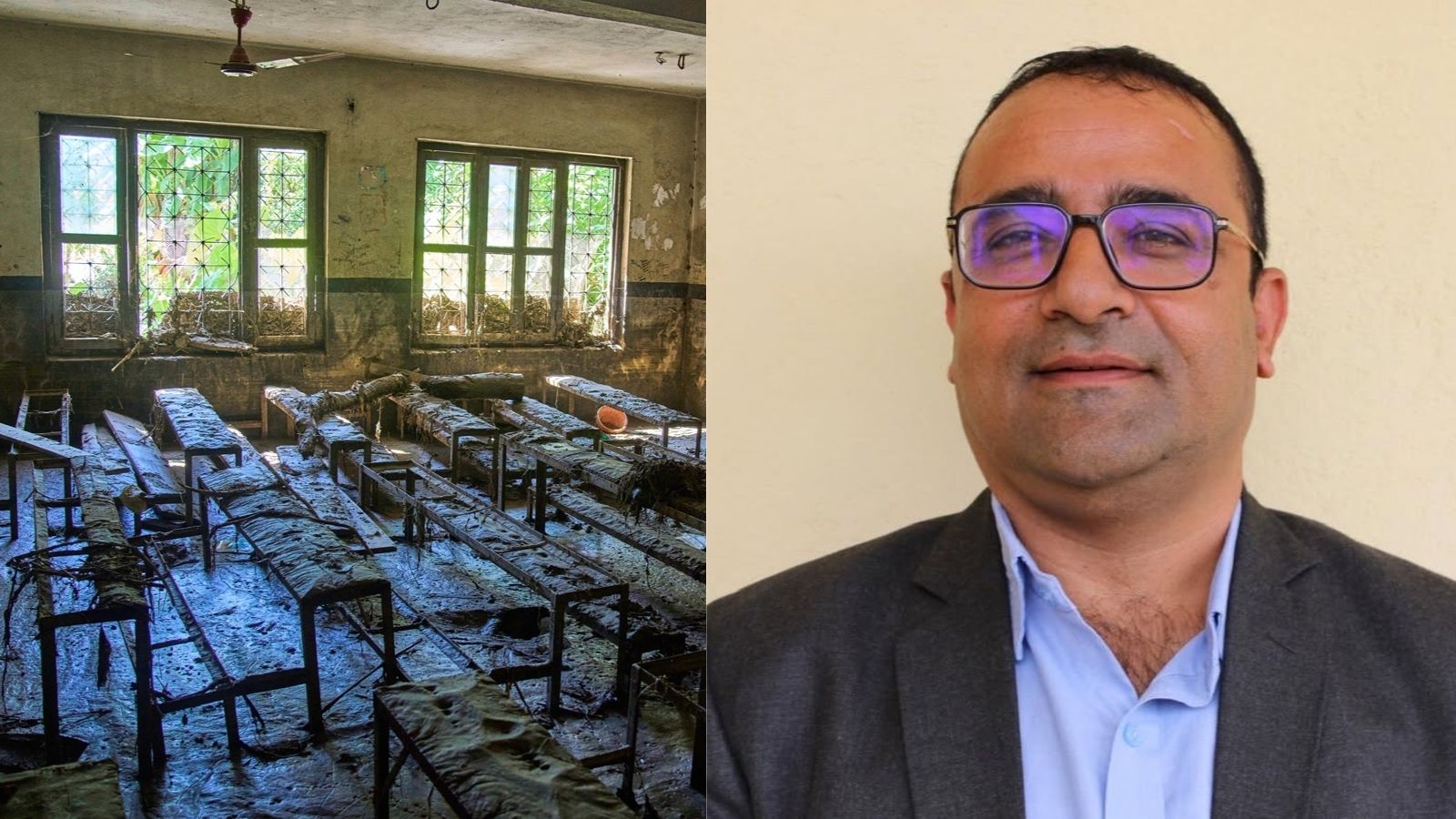
You think your passport protects you until it doesn't. Ahmed Shihab-Eldin, an award-winning Kuwaiti-American journalist with a resume featuring the New York Times and Al Jazeera, hasn't been seen in public for over six weeks. He went to Kuwait to visit family. He ended up in a cell. His "crime" was basically doing his job—sharing and commenting on footage related to the ongoing Iran war.
The Committee to Protect Journalists (CPJ) just sounded the alarm, but the silence from the Kuwaiti government is deafening. This isn't just one guy getting caught in bureaucratic gears. It’s a loud, clear signal that the rules of engagement for media in the Gulf have shifted into a dangerous new gear.
The Post That Triggered a Manhunt
On March 2, 2026, Shihab-Eldin stopped posting. Before that, he’d been active on social media and his Substack, analyzing the chaos of the Iran war. One specific post seems to have been the tipping point: a geolocated video of a U.S. fighter jet crashing near an air base in Kuwait. He didn't leak state secrets. He shared a video that was already circulating and noted that local residents were helping survivors.
By March 3, he was gone.
Authorities haven't been subtle about their new stance. On the same day as his arrest, Kuwait's Ministry of Interior warned everyone on X not to photograph or publish anything related to missile strikes or military locations. They aren't just asking for cooperation. They’re using a new legal hammer to enforce it.
The Law That Outlaws Observation
If you’re wondering how a country that historically had a relatively free press—at least compared to its neighbors—can just vanish a journalist, look at Law No. 13 of 2026. Enacted on March 15, right in the middle of this escalation, the law is a nightmare for free speech.
Article 26 is particularly brutal. It allows for up to 10 years in prison for anyone who spreads "false rumors" or news about military entities with the intent to "undermine confidence" in them. Notice how vague that is. Who defines "undermine"? Who decides what’s a "rumor" when the government is the only one with the "real" facts?
The charges against Shihab-Eldin are a classic hits list of authoritarian tactics:
- Spreading false information.
- Harming national security.
- Misusing a mobile phone.
Basically, if you have a smartphone and an opinion that doesn't mirror the state’s press release, you’re a target.
A Pattern of Silence Across the Gulf
Shihab-Eldin isn't an isolated case. Since the Iran war intensified in late February, Gulf nations have reported hundreds of arrests. People are being picked up for filming sites hit by strikes or even just sharing clips online.
Take the case of Yitzchak Horowitz, a journalist for the Haredi newspaper BeKehila. He was recently snatched up in Kuwait on suspicion of espionage just for photographing U.S. warships. He got lucky and was released after a few hours of questioning. Shihab-Eldin hasn't been so fortunate. He's been held for 45 days and counting.
The EFF and CPJ are both demanding his immediate release, but the reality on the ground is grim. When military escalations happen, the first thing governments do is try to control the narrative. In 2026, that means treating every person with a camera as a potential threat to "national morale."
What This Means for International Media
If a high-profile dual citizen like Shihab-Eldin can be held without a peep for six weeks, what chance do local reporters have? This is a deliberate strategy to create a vacuum. When you arrest the people who verify videos and explain context, the only "truth" left is the one the Ministry of Information provides.
Don't expect a quick resolution. The region is on edge, and Kuwait’s new decree also carries penalties up to life imprisonment for deals that cause "financial loss" to the military. The environment isn't just restrictive anymore; it’s litigious and aggressive.
Protecting Yourself in High Risk Zones
If you’re a journalist or even a traveler in the region right now, the old rules don't apply. You can't rely on your "press" vest or your foreign passport to keep you out of a local precinct.
- Check the latest decrees. Kuwait’s laws changed mid-month in March. You need to know what’s been signed into law in the last 48 hours, not just the last year.
- Assume your phone is evidence. In these jurisdictions, "misuse of a mobile phone" is a catch-all charge. If you’re filming anything remotely military—including the aftermath of a strike—you’re handing them the keys to your cell.
- Set up "dead man's switches." If you're a reporter, have someone who knows your check-in times. When Shihab-Eldin went dark, it took weeks for the full picture of his charges to emerge because of the lack of transparency.
The situation in Kuwait is a grim reminder that in a "national security" crisis, the truth is often the first thing to be locked behind bars.