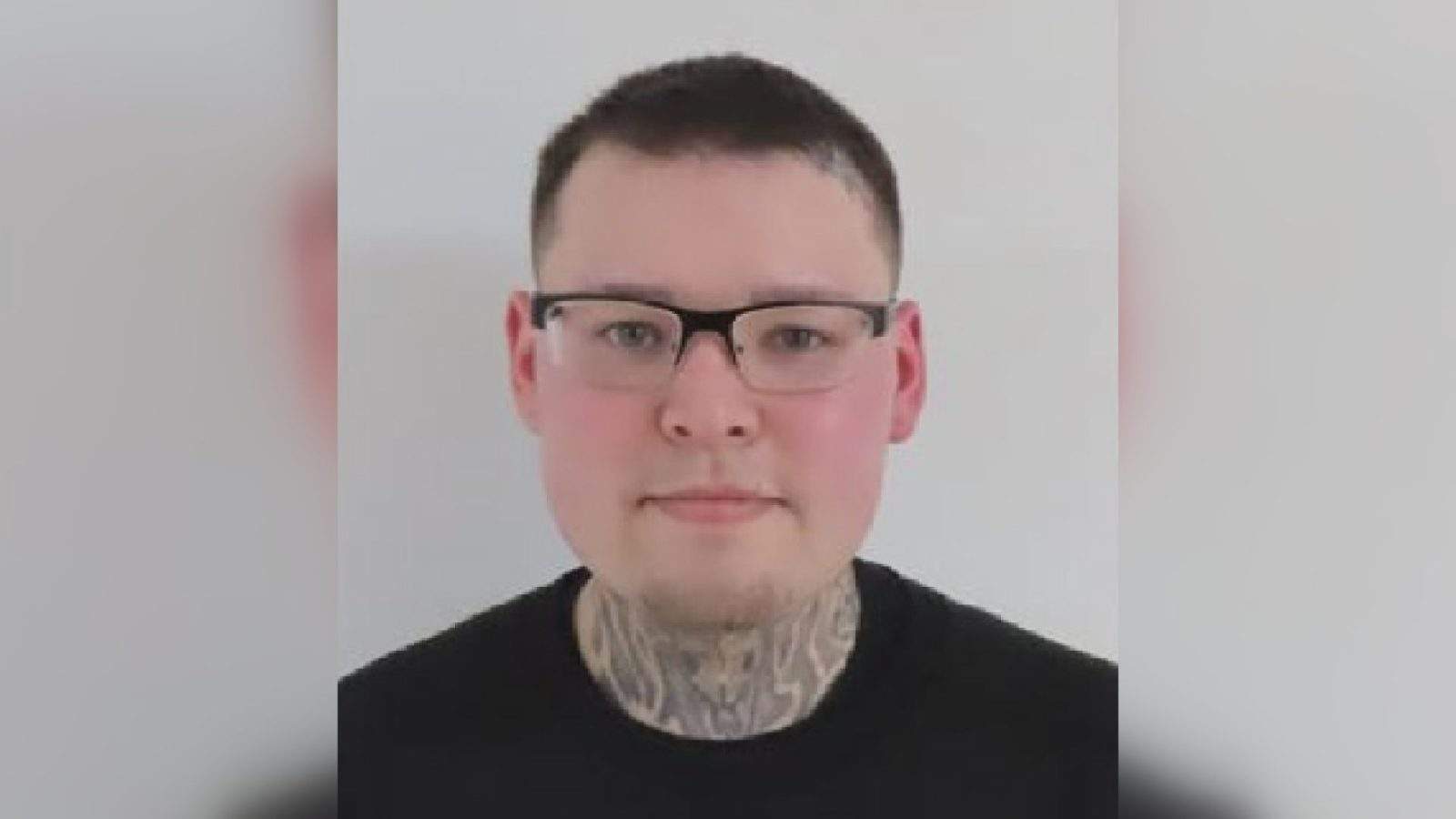
Sean Grayson, the former Illinois sheriff's deputy whose execution-style killing of Sonya Massey shocked the nation, died in state custody. He was thirty-two years old.
Grayson was roughly six months into a twenty-year sentence for second-degree murder when his attorney confirmed his death. He had been battling advanced colon cancer that metastasized to his liver and lungs. Weeks before his death, the Illinois Prisoner Review Board unanimously rejected his application for early medical release, keeping him behind bars despite his terminal prognosis.
The news brings a quiet, abrupt end to a legal saga that exposed systemic failures in police vetting. Yet, it offers little solace to a grieving family or a public demanding systemic structural reform. Sonya Massey cannot return. The institutions that armed her killer and allowed him to slip through administrative cracks remain under intense scrutiny.
The Anatomy of a Preventable Tragedy
To understand the weight of Grayson's death, one must revisit the humid July morning in 2024 when Massey dialed 911. She lived in Springfield, Illinois. Fearing a prowler outside her home, she sought protection from the state.
Instead of safety, she encountered a volatile law enforcement officer with a trail of red flags. Body-camera footage later laid bare the terrifying final moments of her life. Grayson and another deputy entered her kitchen, where Massey was handling a pot of boiling water on the stove. When Grayson directed her to move it, she complied, offering the quiet religious phrase, "I rebuke you in the name of Jesus".
Grayson recoiled, drew his sidearm, and escalated the situation into a lethal confrontation within seconds. He threatened to shoot her in the face. Massey apologized, ducked behind a kitchen counter for cover, and was struck in the head by gunfire.
The subsequent investigation revealed that Grayson's partner on the scene did not perceive Massey as a threat. Dawson Farley, the second deputy, testified that his own fear during the incident stemmed from Grayson's erratic and aggressive posture. Massey was unarmed, terrified, and seeking assistance.
A System That Kept the Door Open
Grayson's employment history before joining the Sangamon County Sheriff's Office reads like a catalog of administrative negligence. In a span of just a few years, he bounced across multiple police departments, leaving behind a wake of disciplinary warnings and moving violations, including driving under the influence convictions.
How did a deputy with such a documented pattern of instability continue to wear a badge and carry a weapon?
The answer lies in the porous information-sharing networks of rural and mid-sized law enforcement agencies. Departments often fail to conduct rigorous background checks or willingly gloss over troubled pasts to fill vacant positions. Grayson slipped through these systemic gaps, moving from agency to agency until he landed in Sangamon County.
When the footage of Massey's killing went public, the political fallout was swift. The local sheriff faced intense public pressure and ultimately retired. Civil rights attorneys Ben Crump and Antonio Romanucci stepped in to represent the Massey family, securing a civil settlement while pushing for sweeping legislative changes.
The Legislative Fallout and the Limits of Compassion
In response to the public outcry, Illinois lawmakers enacted the Sonya Massey Act. This statute fundamentally tightens hiring requirements across the state, mandating comprehensive background evaluations and rigorous scrutiny of an applicant's disciplinary history before they can ever pin a badge to their chest. It is designed to prevent another Sean Grayson from hiding behind administrative oversight.
Yet, legislative fixes do not rewrite the past. When Grayson's cancer advanced to stage four, his legal team petitioned for compassionate release under the Joe Coleman Act. They argued that his physical deterioration rendered him unfit for continued incarceration.
Prosecutors and Massey's family fiercely opposed the motion. They pointed out the supreme irony of an offender seeking mercy when he afforded none to his victim. The Illinois Prisoner Review Board agreed with the prosecution, issuing a unanimous rejection in July.
Grayson's death inside a prison medical unit closes the criminal docket, but it does nothing to resolve the institutional rot that enabled him to patrol communities in the first place. Accountability cannot be measured solely by the terminal diagnosis of a rogue officer. True justice remains an ongoing project, measured by how thoroughly the state purges the structural vulnerabilities that sacrifice innocent lives to institutional failure.