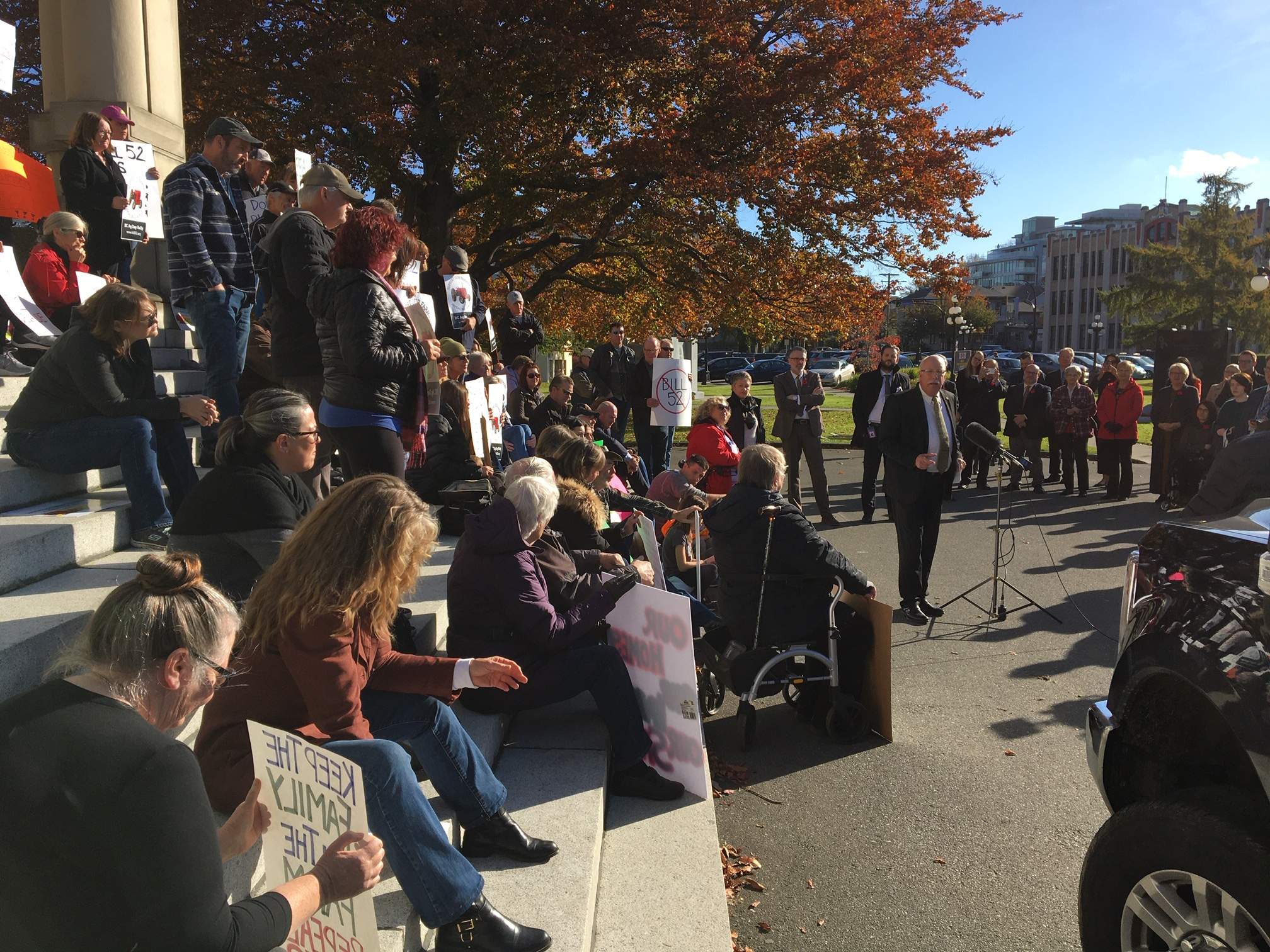
The political tectonic plates in British Columbia are shifting yet again. Delta South MLA Ian Paton just walked away from the BC Conservative caucus, and he isn't going quietly. Standing on the front steps of the legislature in Victoria alongside recently departed Kamloops Centre MLA Peter Milobar, Paton made his intentions crystal clear: they are building a brand-new political party.
If you have been tracking the chaotic trajectory of right-of-centre politics in the province—from the sudden implosion of BC United to the rapid rise and internal friction of the BC Conservatives—this latest fracture feels less like a surprise and more like an inevitability. For voters who spent decades backing a pragmatic, big-tent coalition, the current landscape leaves them feeling entirely stranded.
The Breaking Point Under Kerry-Lynne Findlay
Party unity rarely survives a sharp ideological pivot. Ever since Kerry-Lynne Findlay took the helm of the BC Conservatives, the internal culture has changed drastically. Findlay shifted the party's focus heavily toward themes of faith, freedom, and family, alienating many of the more moderate elements who originally migrated over from the old BC Liberal and BC United camps.
Paton didn't mince words when explaining his departure. He compared the current dynamic to a professional sports team where a newly hired head coach comes in and starts alienating veteran players. Communication channels broke down, staff restrictions tightened, and Paton revealed that leadership even nudged him to vacate his seat so Findlay—who currently lacks a seat in the legislature—could run in a safe byelection. When he and other caucus members refused to step aside, the writing was on the wall.
Milobar faced his own battles, notably speaking out against divisive rhetoric within the caucus regarding reconciliation before pulling the plug on his membership earlier in the month. When two seasoned, pragmatic legislators decide that sitting as independents is preferable to staying inside the tent, it signals deep institutional rot.
Giving a Voice to the Politically Homeless
BC politics has a massive centrist vacuum. Back in 2017, nearly 800,000 people cast their ballots for a moderate coalition. Those voters now find themselves caught between a left-wing NDP government they want to replace and a conservative movement that feels increasingly unrecognisable to them.
Paton and Milobar are betting everything on those stranded voters. By registering an official party with Elections BC ahead of the fall legislative session, they hope to carve out a middle-ground alternative. Critics will immediately point out the obvious danger: vote-splitting on the right practically hands victories to the NDP on a silver platter. Milobar acknowledges the steep climb ahead, but argues that forcing voters to choose between two extremes is a worse fate for the province.
What Happens Next in the Legislature
Starting a political party from scratch with only two MLAs is an uphill battle of historic proportions. Funding, ballot access, and media airtime are all locked behind rigid electoral frameworks. Yet, political history shows that disaffected caucuses can gain momentum quickly if they tap into a genuine public mood.
Paton and Milobar are banking on quiet resentment turning into loud support. Rumours are already swirling about whether other moderate MLAs might cross the floor once they realize the current leadership style isn't going to soften. Whether this new venture becomes a major legislative force or a footnote in BC's electoral history depends entirely on how many voters are tired of choosing the lesser of two ideological evils. The fall session is going to be explosive.