Five lives extinguished in a heartbeat. The tragedy that unfolded late Friday night in the West Champaran district of Bihar is being labeled a hit-and-run, but to call it merely an accident is to ignore the structural failures that turned a celebration into a graveyard. When a speeding bus careened into a crowd gathered for an orchestra performance in Bankatwa Parautola, it did not just strike pedestrians; it collided with a culture of road misuse that has become normalized across the region.
The facts are stark and agonizingly familiar. A bus traveling from Gorakhpur to Bettiah, laden with passengers and momentum, encountered an LPG cylinder-carrying truck on the narrow NH-727. In the subsequent maneuver, the bus driver lost control, veering off the tarmac and into a crowd that had spilled onto the road to witness a local ceremony. Five people, including the man who had organized the event to celebrate the birth of his daughter, died. Others remain in critical condition. The driver fled, leaving behind a wreckage of twisted metal and shattered families. For a different look, consider: this related article.
But look past the immediate horror. Why was a public orchestra being held in a position that forced the crowd to spill onto a national highway? Why do high-speed transit corridors in India so frequently double as community centers, marketplaces, and social hubs?
The reality is that municipal planning and road safety enforcement have not kept pace with the region's expanding transit needs. In many parts of rural India, the highway is the only flat, accessible space available for public gatherings. When infrastructure fails to provide designated community zones, residents claim the only ground available. This is not a choice; it is a desperate adaptation to a lack of urban development. The result is a dangerous intersection of high-speed commercial transport and vulnerable, stationary crowds. Similar analysis on this trend has been shared by NPR.
Authorities point to the bus driver’s speed as the primary culprit. Speeding is a constant, yes. But focusing solely on the individual driver allows officials to sidestep their own failures. If the road was a high-risk zone for pedestrian traffic—a reality known to every local—then why were there no barricades, no warning signage, and no oversight of the event? The blame resides not just in the driver's seat, but in the offices of those who permit these lethal conditions to persist.
Consider the physics of the encounter. A bus is a massive, high-center-of-gravity vehicle designed for steady highway speeds. Expecting such a machine to make an emergency avoidance maneuver without veering into whatever stands in its path is unrealistic. When a driver is confronted with an oncoming vehicle—in this case, a truck carrying volatile cargo—the margin for error is effectively zero. By allowing large, uncontrolled gatherings to occur inches from lanes where heavy trucks and buses pass, the state essentially guarantees that a minor miscalculation will result in a mass casualty event.
This tragedy highlights the fragility of India’s transport safety protocols. While the government frequently introduces new traffic laws and fines, the focus is almost exclusively on moving vehicle violations. Pedestrian safety in peri-urban and rural zones remains an afterthought. Until authorities move beyond performative crackdowns on speed and begin addressing the systemic misuse of road space, more families will find their joy replaced by the sound of sirens and the weight of grief.
The aftermath in West Champaran will follow a predictable arc. There will be public outcry, local protests, and promises of stricter enforcement. The police have already seized both vehicles, and investigators have begun the process of tracing the missing drivers. Yet, none of these actions will replace the lives lost in Bankatwa.
Real change requires a shift in priorities. It demands that district planners identify high-density roadside spots and mandate the construction of protected zones or alternative venues for public gatherings. It requires a hard look at whether the current road design on stretches like the NH-727 is compatible with the reality of local settlement patterns.
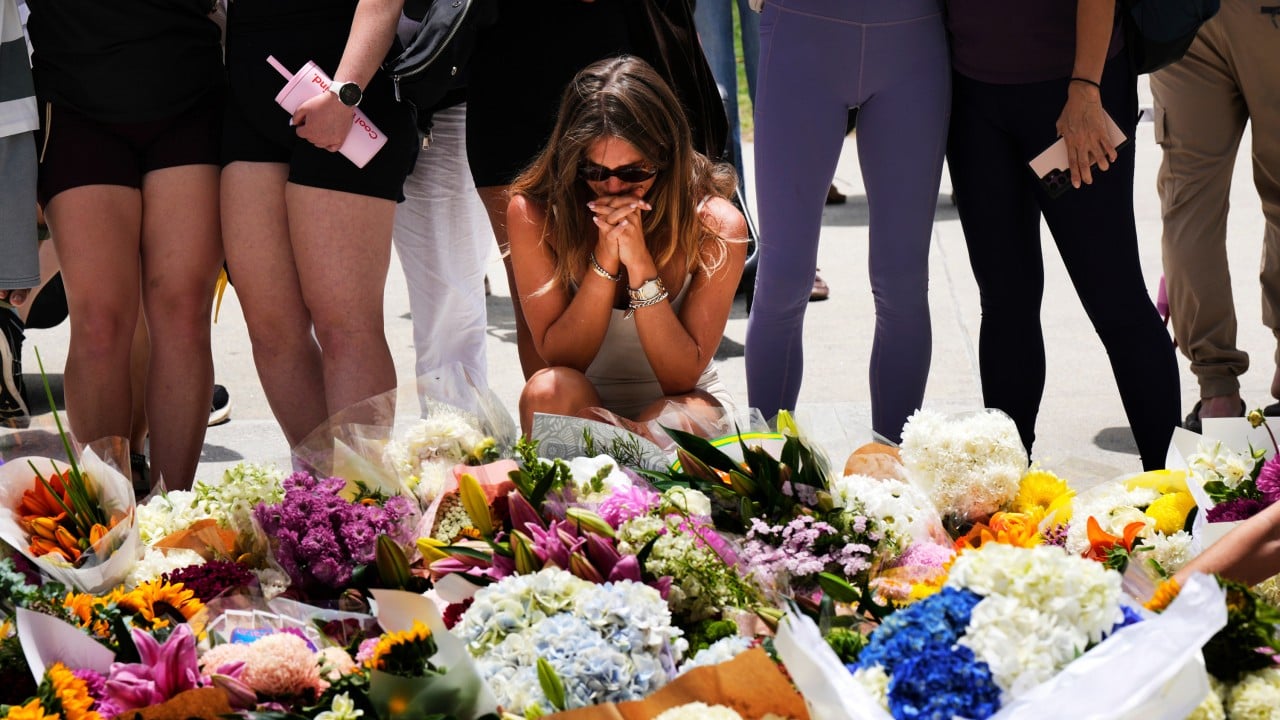
The bus driver ran, but the architects of this catastrophe are still in charge. As the sun rises over the wreckage, the villagers of Bankatwa are left with the cold weight of a celebration that turned into an funeral, and the realization that their safety was never part of the plan. Nothing will change until the road is treated as a conduit for transit, not a venue for life.