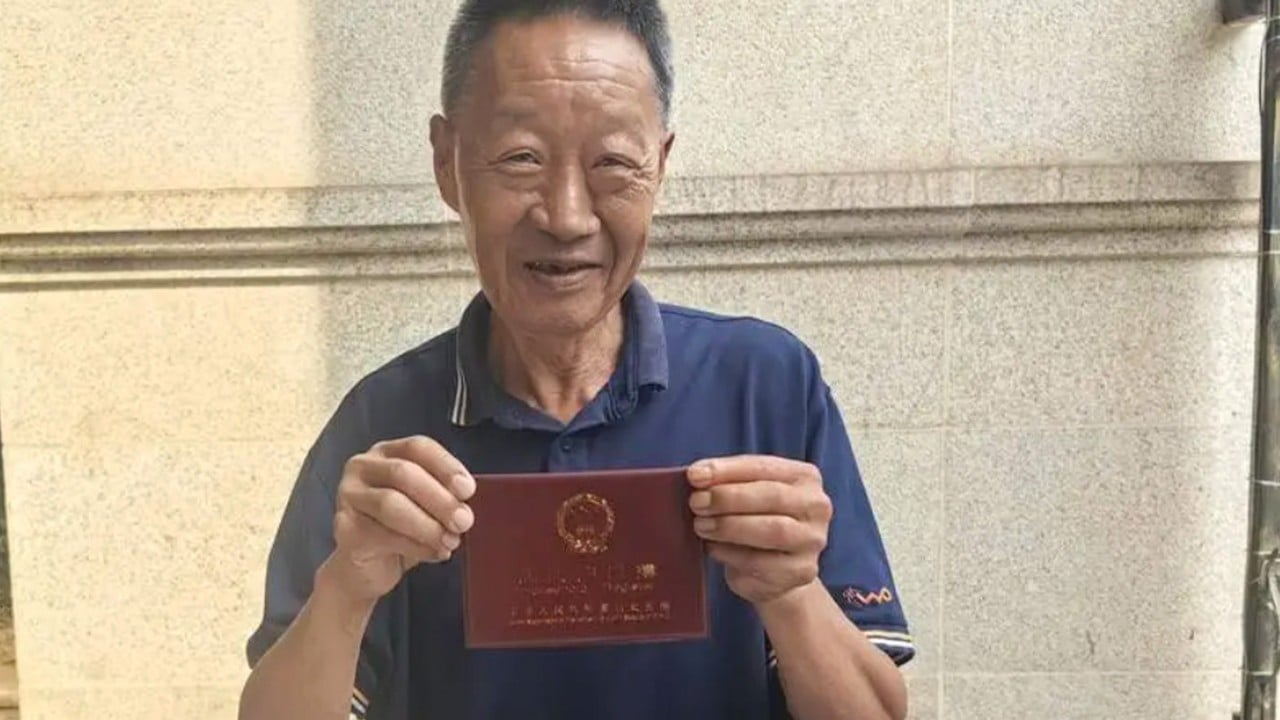
The internet loves a fairy tale. Give the public a narrative about a man spending a quarter of a century guarding an empty mountain house in total isolation just to honor a casual word, and the emotional machinery kicks into overdrive. Commentators trip over themselves praising his "unshakable honor" and "monumental loyalty".
Save the applause. What you are actually looking at is not a masterclass in moral virtue. It is a catastrophic failure of systemic support, bureaucratic rigidity, and human mobility.
The viral coverage of Li Guoyou—who spent 25 years watching a remote property in Harbin for an owner who forgot he was even there—frames the ordeal as an epic poem of devotion. That is a comforting hallucination. When you strip away the sentimental varnish, the reality is far more grim: a man trapped by administrative paralysis, economic desperation, and a total breakdown of social connectivity.
The Bureaucratic Trap Nobody Talks About
Let us look at the mechanics of why this happened, rather than hiding behind poetry. In 2005, China transitioned to second-generation ID cards featuring digital chips and encryption. To secure one, citizens had to return to their original household registration, or hukou, location.
Li lacked the funds to travel back to Sichuan. Just like that, a lack of liquid cash locked him out of the modern financial and legal infrastructure. Without an ID card, you cannot buy train tickets, secure formal employment, rent legally, or access social safety nets.
He did not choose a 25-year monastic retreat in the mountains because he loved the sound of wind through the cornstalks. He stayed because he was a ghost in the machine. Calling this "loyalty" is a convenient way for society to absolve itself of the fact that its safety nets failed completely. When the cost of navigating bureaucracy becomes higher than the cost of vanishing into the wilderness, people vanish.
The Myth of the Noble Hermit
We have a cultural fetish for suffering. We look at stories of extreme isolation and project our own desire for simplicity onto them. We imagine that living three kilometers from the nearest grocery store, subsisting on corn and fish, and losing contact with every living blood relative is somehow a peaceful escape from the rat race.
I have seen organizations and individuals romanticize burnout to the point of self-destruction, convincing themselves that enduring miserable conditions builds character. It does not. It destroys horizons.
Li lost his youth, his connection to his brothers, and his legal identity over a single sentence uttered by an employer who moved on to business ventures in Beijing and Russia. The property owner herself admitted she forgot about him. Read that again. While he was grinding away decades of his life in self-imposed exile for a promise, the other party had entirely erased the transaction from her mental ledger.
That is not romance. That is exploitation by accident.
The Real Lesson of the Mountain House
We need to stop praising people for surviving systems that should never have trapped them in the first place. If a citizen can drop out of the grid for 25 years simply because an ID card costs too much to retrieve and a landline number stopped connecting, your infrastructure is broken.
When Li finally got his renewed hukou and took a 40-hour train ride back to Sichuan escorted by police, the media framed it as a heartwarming reunion. It is heartbreaking. Twenty-five years can never be refunded.
Stop calling isolation a virtue. Fix the systems that make disappearing easier than staying connected.