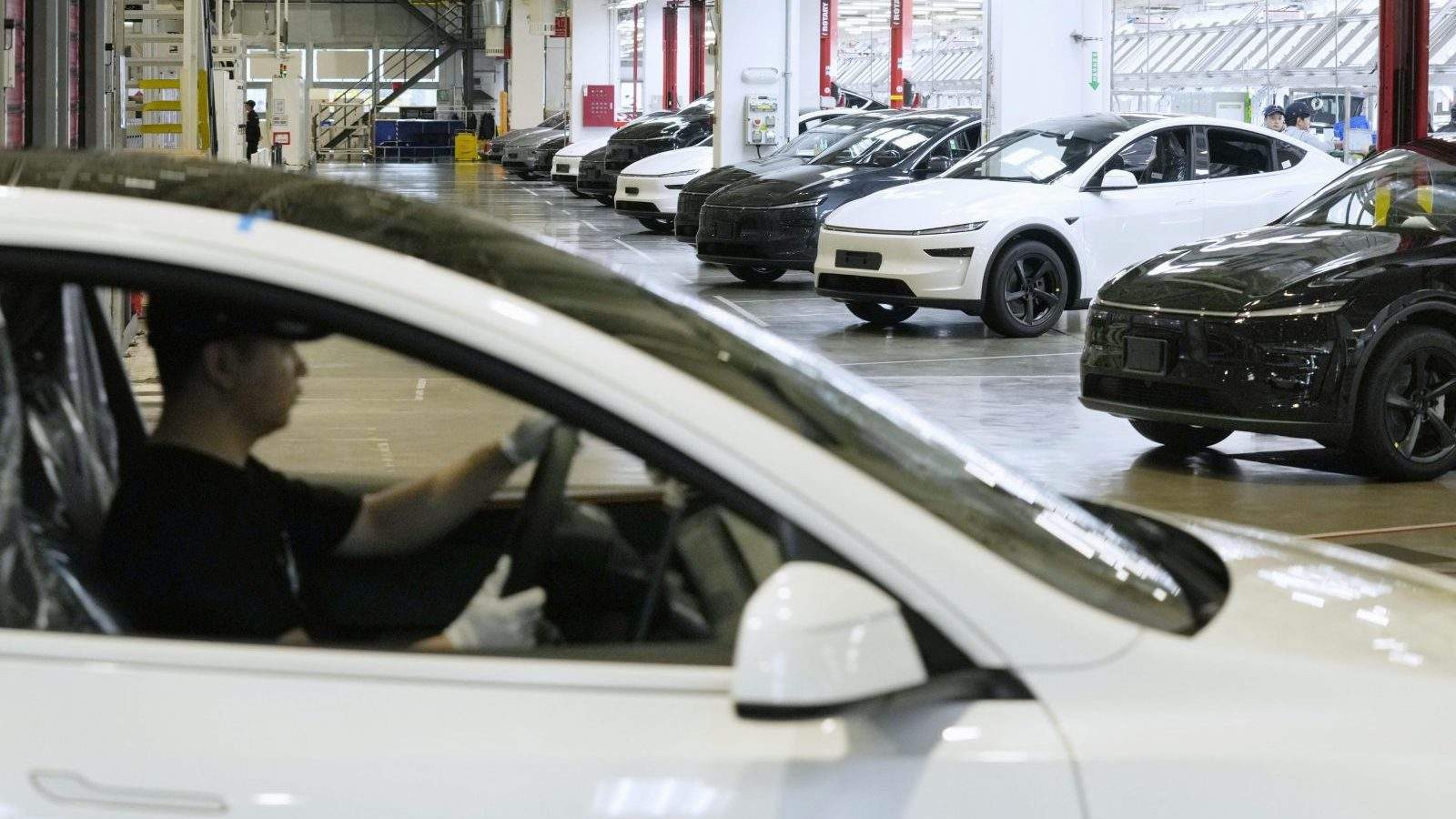
Chinese EVs are hitting Canadian pavement. It’s happening. While Ottawa debates tariffs and trade wars, a leaked federal memo is sounding the alarm on something far more personal than market share. We’re talking about your data. Specifically, the massive amounts of biometric, locational, and behavioral information these "smartphones on wheels" collect every second you're behind the wheel.
If you think this is just about protecting local car manufacturing, you're missing the point. The real story lies in the fine print of a recently surfaced internal briefing from Global Affairs Canada. It warns that high-tech vehicles from Chinese brands like BYD could serve as mobile surveillance hubs. These cars don't just drive. They watch. They listen. They map.
Most people see a cheap, high-performance electric car and think they’re getting a deal. They aren't. You’re trading your privacy for a lower monthly payment.
Why Your Car is the Ultimate Spy
Modern vehicles aren't just mechanical tools anymore. They're rolling data centers. A typical Chinese EV comes packed with high-resolution cameras, ultrasonic sensors, and microphones that stay active even when the car is parked. This isn't a conspiracy theory. It’s how the technology functions.
The federal memo highlights that these systems can capture everything from your facial expressions to the private conversations you have in the cabin. This data isn't stored locally. It gets pushed to the cloud. In the case of Chinese manufacturers, that cloud often sits under the jurisdiction of a government with a history of aggressive data harvesting.
Think about the "smart" features you love. Voice recognition requires constant audio monitoring. Driver-assist features need 360-degree video. Navigation tracks every frequent stop, your workplace, and your home. When that hardware is built by companies subject to China’s National Intelligence Law, the Canadian government gets nervous. They should be.
The Hidden Cost of Cheap Batteries
BYD is currently the biggest threat to established players like Tesla and Ford. They control their entire supply chain. That’s why they can sell a sleek, 400-horsepower sedan for a fraction of what a Mustang Mach-E costs. But Canada’s intelligence community sees a different price tag.
The memo suggests that the integration of Chinese software into Canadian infrastructure creates a massive vulnerability. We aren't just talking about one person’s data. We’re talking about thousands of vehicles collectively mapping Canadian roads, military bases, and power grids in real-time.
Canada recently slapped a 100% tariff on Chinese-made EVs. On paper, it looks like a move to save jobs in Ontario’s car plants. In reality, it’s a blunt instrument to slow down the arrival of what security experts call "state-sponsored data vacuum cleaners." The government is trying to buy time while they figure out how to regulate the software, not just the steel.
Comparing the Risk Profiles
Is a Chinese EV more dangerous than a Tesla or a Hyundai? Honestly, it depends on who you trust with your life history.
- Western Brands: They collect tons of data too. Don't kid yourself. However, they're bound by North American privacy laws and aren't legally required to hand over encryption keys to a foreign intelligence agency on demand.
- Chinese Brands: Companies like BYD or MG are world-class at hardware. Their tech is often better than what we build here. But the legal framework they operate under is the issue. If Beijing asks for the GPS history of every EV in Ottawa, those companies don't have the luxury of saying no.
Critics argue that we already use Chinese-made iPhones and laptops. Why is a car any different? A car has a 2,000-pound battery and can be controlled remotely. It sits in your driveway. It sees through your garage door. The scale of the sensors on an EV dwarfs anything in your pocket.
What the Memo Says About Remote Shutdowns
One of the scariest parts of the federal warning involves "kill switches." If a vehicle relies on a constant connection to a server in Shenzhen to operate its advanced features, what happens if that connection is severed? Or worse, what if a command is sent to disable the fleet?
Imagine a geopolitical dispute where 50,000 cars across Vancouver and Toronto suddenly stop working or refuse to charge. It sounds like a movie plot. The Canadian government doesn't think it’s fiction. They view this as a matter of national resilience. We’re inviting a foreign power to install proprietary, closed-source software into the heart of our transportation network. It’s a massive gamble.
How to Protect Your Data Today
If you’ve already bought a Chinese-made EV or you’re planning to snag a deal despite the tariffs, you need to be proactive.
First, look at the permissions. When you set up the car's app on your phone, treat it like a suspicious social media platform. Deny access to your contacts and your microphone unless it’s absolutely necessary for a feature you use every day.
Second, check the "Data Sharing" settings in the car’s infotainment system. Most manufacturers bury "Improvement Programs" deep in the menus. These are often just legal cover for data harvesting. Turn them off. It won't stop everything, but it limits the "telemetry" sent back to the home office.
Third, stay informed about Canadian privacy legislation. Bill C-27 is supposed to update our aging privacy laws, but it moves at a snail's pace. We need specific rules for "Connected and Automated Vehicles" (CAVs) before the market is flooded.
The Trade-Off We Can't Ignore
We want green energy. We want affordable cars. We want to hit our climate goals. Chinese EVs are the fastest way to get there. They’re efficient, they’re cool, and they’re cheap.
But there’s no such thing as a free lunch. The federal memo makes it clear that the "cost" of these cars is paid in Canadian sovereignty and personal privacy. You have to decide if a $30,000 electric SUV is worth letting a foreign government know exactly where you go, who you talk to, and how you drive.
Stop looking at the touchscreen and start looking at the fine print. Your car is watching you. If you value your privacy, you might want to wait until Canada has a real plan to keep that data on our side of the border. Demand transparency from dealerships. Ask exactly where the server is located before you sign the paperwork. Don't let a shiny new dashboard blind you to the very real risks parked in your driveway.