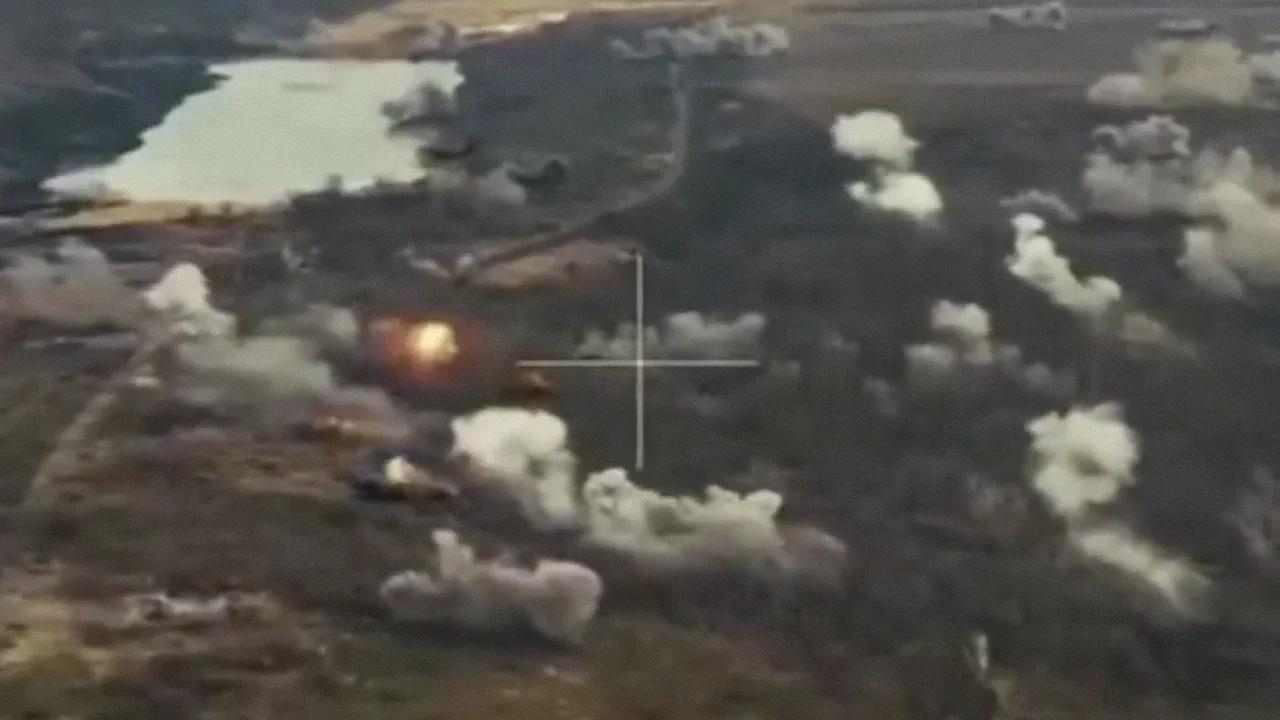
The headlines claim a ceasefire was in place, but the reality on the ground in Russia's border regions tells a different story. Just hours after an Orthodox Easter truce was supposed to freeze the frontlines, explosives began falling on Lgov and Belgorod. Honestly, anyone who’s followed this conflict for more than a week shouldn't be surprised. Truces here are usually more about optics than actual peace.
On Saturday, April 11, 2026, the governors of the Kursk and Belgorod regions reported a series of Ukrainian drone strikes that shattered the 32-hour quiet almost as soon as it began. While the Kremlin pushed the narrative of a "sneaky attack," the tactical reality is that the border between these two nations remains a high-intensity combat zone where pauses are rare and usually short-lived.
Shattering the Silence in Kursk and Belgorod
The most significant strike occurred in the town of Lgov, located in the Kursk region. According to Alexander Khinshtein, the regional governor, a Ukrainian drone targeted a petrol station. It wasn't just property damage; three people were injured, including a child. Khinshtein was quick to point out on the MAX messaging service that the strike hit after 4:00 PM—the exact moment the ceasefire was meant to take effect.
Meanwhile, in the neighboring Belgorod region, Governor Vyacheslav Gladkov reported two additional injuries from separate drone attacks. This continues a brutal pattern for Belgorod, which has basically become a frontline city over the last year. These aren't just random "pokes" at the border; they're part of a sustained campaign to disrupt Russian logistics and bring the cost of the war home to the Russian public.
Why the Easter Truce Failed Before it Started
You have to look at the setup to understand why this was never going to hold. Vladimir Putin announced the ceasefire on Thursday, April 9. Volodymyr Zelenskyy initially said Ukraine would abide by it. But when the clock hit 4:00 PM Moscow time on Saturday, the drones were already in the air.
Here’s the thing: Ukraine has been hammering Russian energy infrastructure for months. As of April 2026, assessments show that nearly 20% of Russia's refining capacity has been knocked out or damaged. Zelenskyy even offered a deal earlier this month: Ukraine stops hitting oil depots if Russia stops hitting the Ukrainian power grid. Russia didn't bite. When you're in a high-stakes energy war, a 32-hour pause is just a 32-hour window for your enemy to fix their tanks and move their fuel.
The Numbers Behind the Border Conflict
- 101,000+: The number of personnel Russia has now moved into its "Unmanned Systems Forces" to counter these drone threats.
- 99: The number of drones Russia’s Defense Ministry claimed to intercept across multiple regions on April 11 alone.
- 40%: The estimated percentage of Russian oil export capacity currently at a halt due to recent strikes.
The Strategy of Disruption
Ukraine isn't just hitting these regions because they're close. They’re hitting them because Kursk and Belgorod are the primary staging grounds for Russian offensive operations into Sumy and Kharkiv. If you can keep the fuel stations burning and the electricity off in Belgorod, you make it ten times harder for the Russian military to launch its planned spring pushes.
In Belgorod specifically, the situation is grim. Earlier this year, thousands were left without power, and water supplies failed for over 100,000 residents after strikes hit the local thermal power plant. The latest injuries on Saturday are just the latest data points in a long-term strategy of attrition. Ukraine is effectively trying to create its own "buffer zone" by making the Russian side of the border too dangerous to operate from.
What This Means for the Next Few Months
Don't expect the rhetoric to cool down. The Kremlin is already using the "violated truce" to paint Kyiv as an unreliable partner, while Ukraine points to Russian strikes in the Dnipropetrovsk region—where over 60 drone and artillery hits were reported on the same day—as proof that the truce was a sham from the start.
If you’re living in these border regions or following the oil markets, the "ceasefire" was a non-event. The real story is the relentless drone war that shows no signs of slowing down, regardless of what the calendar says.
Check your local security alerts. If you are in a border oblast, keep your emergency notifications active. The frequency of these strikes suggests that "truce" or not, the air sirens aren't going silent anytime soon. Expect intensified security measures at fuel stations and power hubs across western Russia as the military tries to shore up these gaping holes in their air defense.