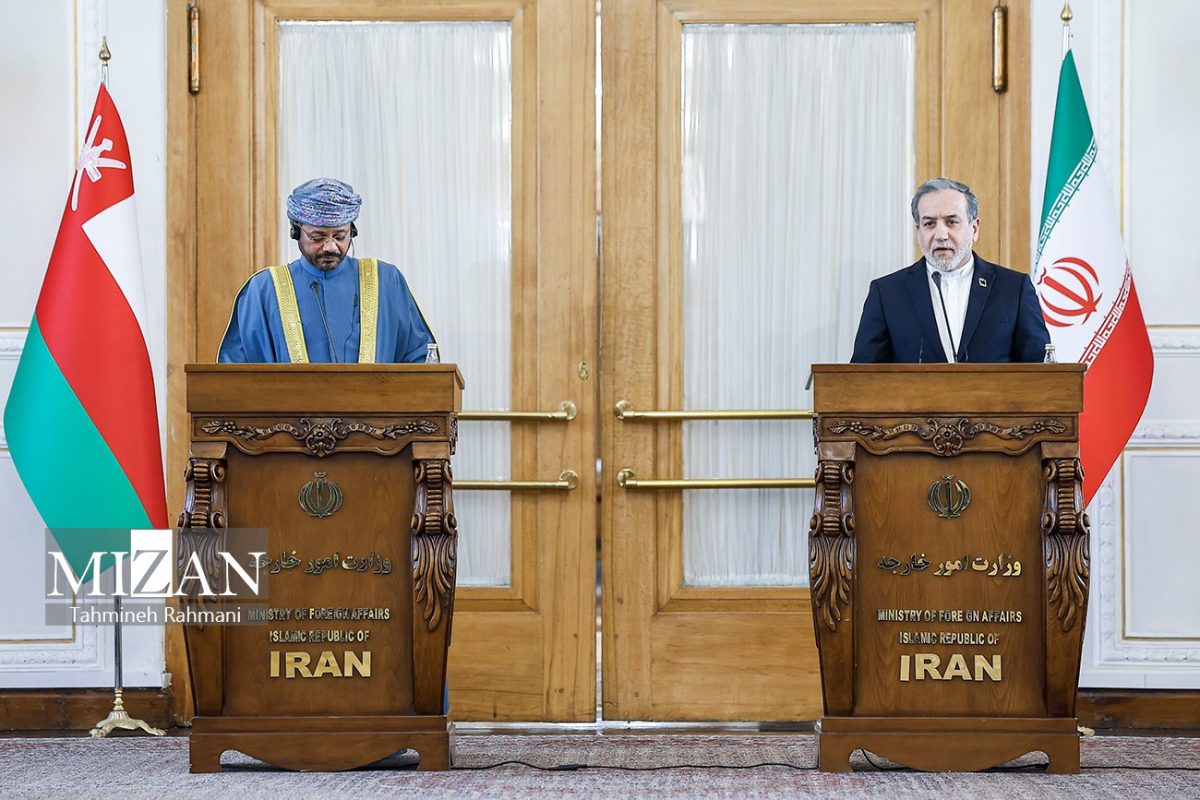
The Strait of Hormuz is basically the world's jugular vein. If it gets squeezed, the global economy doesn't just catch a cold—it goes into cardiac arrest. That's why the recent sit-down in Muscat between Iran’s Foreign Minister Abbas Araghchi and Oman’s Sultan Haitham bin Tariq isn't just another dry diplomatic photo op. It's a high-stakes attempt to keep the lights on in a region that's been on the brink of total explosion since the conflict with the US and Israel escalated earlier this year.
You’ve probably seen the headlines about "safe transit" and "regional stability." But what’s actually happening behind the closed doors of Al-Baraka Palace? It’s not just polite talk about shipping lanes. It’s about survival. Iran and Oman are the only two countries that actually sit on the Strait. They're the gatekeepers. If they don't see eye-to-eye, the 20% of the world’s oil that flows through that narrow gap is basically a sitting duck.
The Gatekeepers of the Strait
Araghchi didn't fly to Muscat because he likes the weather. He’s on a mission to convince Iran’s neighbors that Tehran isn't looking to burn the house down, even as the US naval blockade tightens. Honestly, the timing is everything. While the US and Israel have been hammering Iranian assets, Araghchi is playing the "good neighbor" card. He’s framing the security of the Strait of Hormuz as a shared responsibility—one that should be managed by the locals, not by Western carrier groups.
It's a clever move. By focusing on "safe transit," Iran is signaling to the world that they can still be the "responsible" party in the Gulf, even while they're allegedly sneaking millions of barrels of crude past the blockade. According to recent data from TankerTrackers, at least 4.6 million barrels have managed to slip through the cracks. Araghchi’s message in Muscat was clear: help us keep the water calm, and we’ll make sure the oil keeps moving.
Why Oman is the Only One Both Sides Trust
If the Middle East is a powder keg, Oman is the guy standing there with a fire extinguisher and a very calm voice. They’ve been doing this for decades. Remember the 2015 nuclear deal? That started with secret talks in Muscat. Those indirect negotiations between the US and Iran in 2025? Also Muscat.
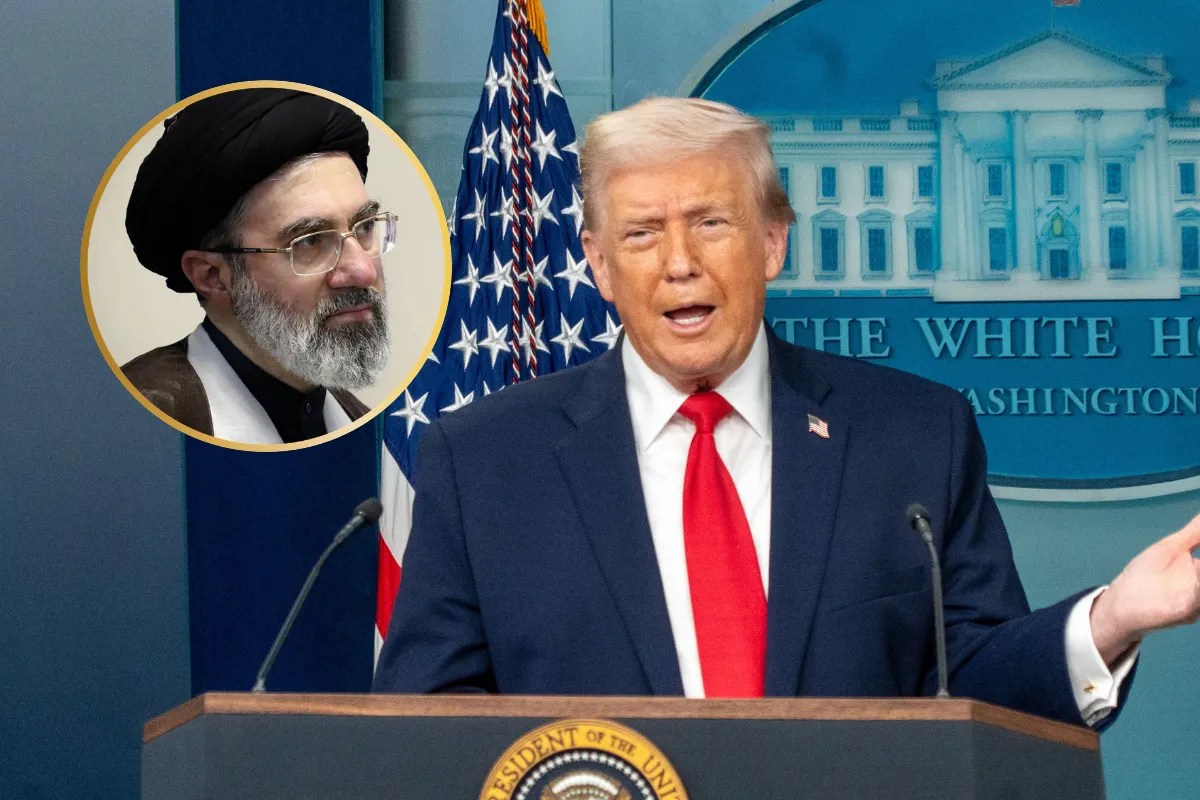
Sultan Haitham isn't just passing notes like a middle schooler. He’s trying to prevent a war by miscalculation. In January 2026, Oman—alongside Saudi Arabia and Qatar—actually convinced the Trump administration to hold off on a major strike to give diplomacy one last shot. That’s real power.
But there’s a limit to how much "quiet diplomacy" can do. The reality is that the region has shifted. Countries like Saudi Arabia, who used to be Iran’s biggest haters, are now looking at Oman’s mediation as a necessary firewall. They realize that a full-blown war between the US and Iran would be a disaster for everyone, not just the people in the line of fire.
The Three Step Plan on the Table
What’s actually being discussed? It’s not a secret anymore. During the talks that have been bubbling under the surface in places like Muscat and Rome, Iran has been floating a pretty specific roadmap. It's basically a "less for less" deal to stop the bleeding:
- The Freeze: Iran lowers uranium enrichment to 3.67% in exchange for getting their frozen cash back and being allowed to export oil legally again.
- The Verification: Tehran brings back the IAEA inspectors and promises no more high-level enrichment.
- The Big Lift: The US and Europe lift the "snapback" sanctions and formally approve a new nuclear framework.
It sounds good on paper. But there’s a massive catch. The US is demanding that Iran also disarm its "Resistance Axis"—Hamas, Hezbollah, and the Houthis. That’s a huge ask for a country that views those groups as its primary forward defense. Araghchi’s job in Muscat was likely to see if Oman could find a middle ground where nobody loses face.
The Blockade and the Shadow War
While the diplomats talk, the reality on the water is much uglier. The US naval blockade isn't just a threat; it’s a physical reality. Ships are "going dark," switching off transponders, and playing a high-stakes game of hide-and-seek to get Iranian oil to market. This is the "gray zone" conflict where most of the actual fighting is happening right now.
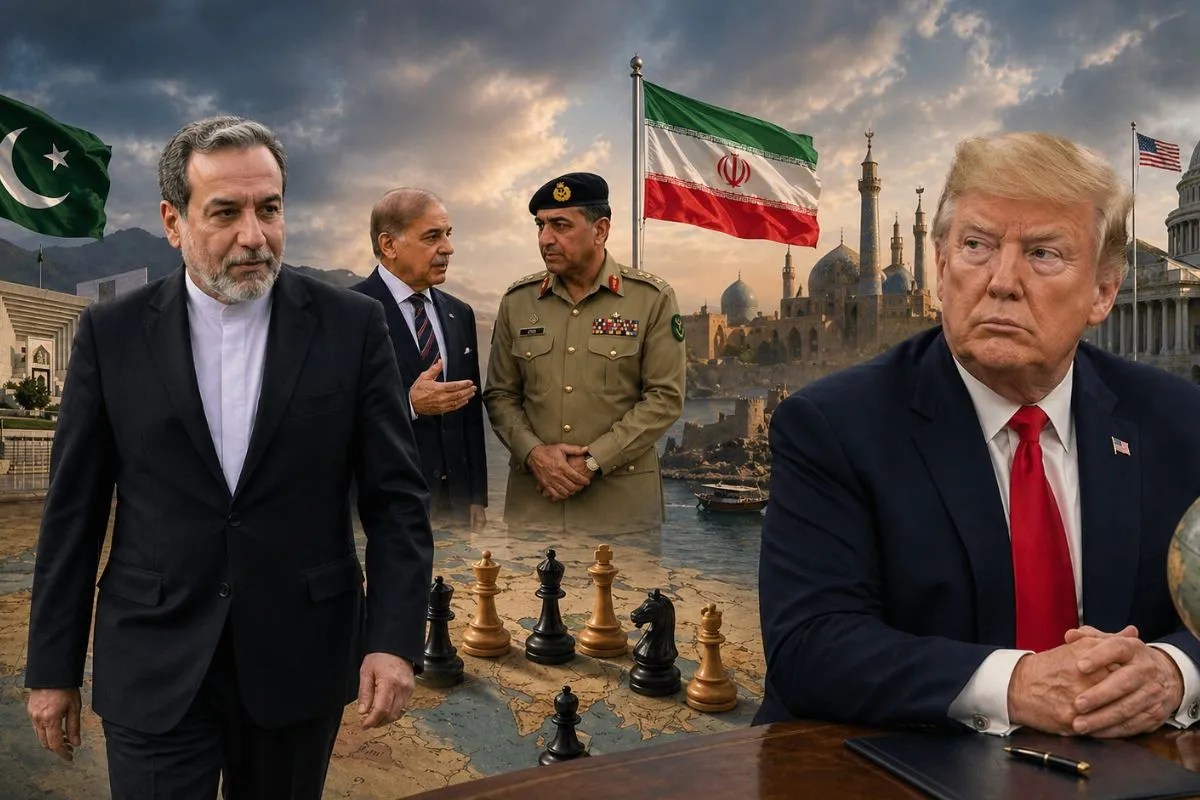
Araghchi’s visit to Muscat happened right after his stop in Pakistan. The goal? Creating a "workable framework" to end the war. But let’s be real: as long as there are drone strikes in Gaza and missile exchanges over the Persian Gulf, these frameworks are incredibly fragile. Araghchi himself said that indirect talks with the US were basically suspended because the "situation in the region" was just too volatile.
What Happens if the Talks Fail
If Muscat can't bridge the gap, we’re looking at a messy escalation. Some of the hardliners in Tehran are already calling for the total closure of the Strait of Hormuz in response to European sanctions on Iran Air. That’s the "nuclear option" of maritime trade. If that happens, you can forget about "safe transit." You're looking at $200-a-barrel oil and a global recession that makes 2008 look like a picnic.
Don't expect a breakthrough tomorrow. Diplomacy in the Middle East is a slow, grinding process. But keep your eyes on the "Muscat Track." If a deal is going to happen, it’ll be because of the quiet, boring meetings in Oman, not the fiery speeches in New York or Tehran.
Next steps for following this story:
- Watch the tanker traffic data near the Strait of Hormuz; any sudden drop in volume is a red flag.
- Look for official statements from the IAEA regarding the return of inspectors—that’s the first real sign of a thaw.
- Monitor the price of Brent Crude; it’s the most honest indicator of how the market feels about regional stability.