YouTube and Goldenvoice have quietly secured a partnership that fundamentally changes how live events operate. By extending their exclusive livestreaming partnership through 2030, YouTube has anchored itself as the primary destination for real-time cultural moments, while Coachella guarantees its long-term financial runway and digital reach.
The deal is not just a routine corporate renewal. It is a strategic consolidation of power between the world's largest video platform and the most culturally influential music festival on earth.
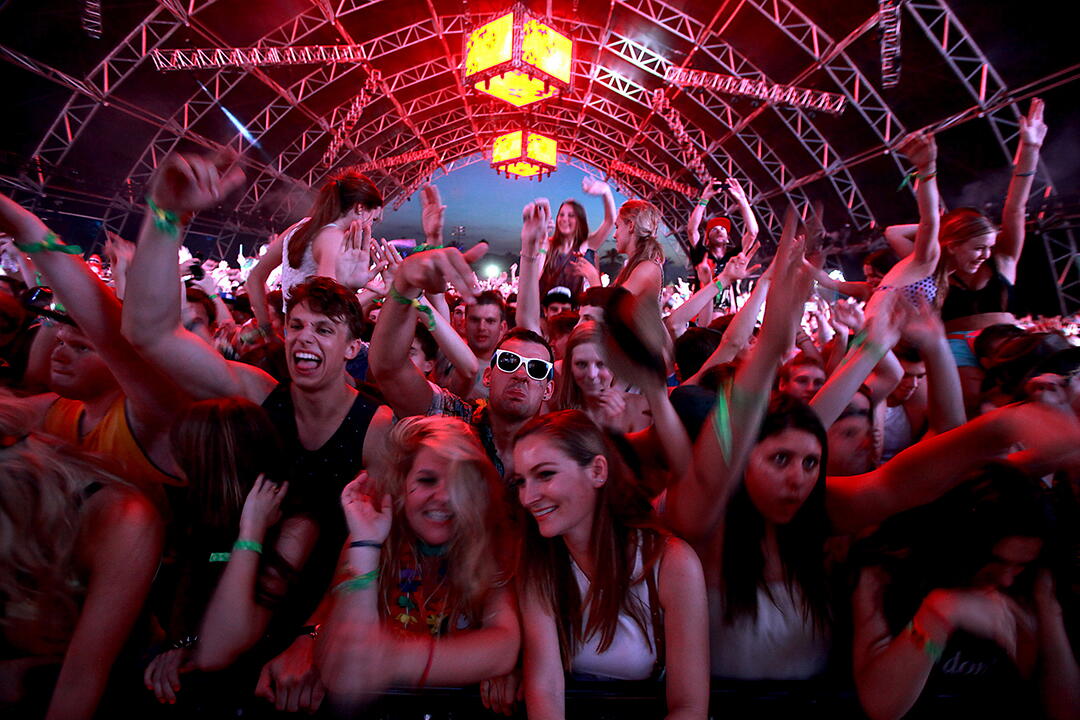
For years, the economics of live music relied entirely on the bodies squeezed into a physical venue. Ticket sales, merchandise lines, and warm beer constituted the primary revenue pillars of the touring industry. Goldenvoice understood early on that the physical Polo Club in Indio had a hard capacity limit, while the internet had none. By partnering with YouTube to broadcast the festival globally to millions of screens, Coachella transformed from a desert weekend for Southern California elites into a planetary broadcast event.
The extension through 2030 proves that the experiment worked. But looking closer at the mechanics of this agreement reveals an aggressive play for data, ad dollars, and cultural dominance that few traditional promoters are equipped to replicate.
The Streaming Economics Behind the Desert
Running a massive multi-day festival is an exercise in extreme financial risk. Production costs are staggering, headliner fees routinely reach eight figures, and a single weekend of severe weather can wipe out margins. Traditional promoters sweat over ticket sales months in advance.
YouTube changes that equation completely.
While the exact financial terms of the 2030 extension remain private, industry estimates put the value of previous multi-year commitments in the tens of millions of dollars, backed by significant marketing support. YouTube does not just write a check for broadcast rights; they underwrite the production costs of the broadcast itself. They send crews, engineer complex multi-feed streaming architecture, and sell the advertising inventory alongside Goldenvoice.
This creates a revenue model built on two distinct pillars: the physical gate and the digital sponsor deck. Brands that once bought physical activation space on the festival grounds now buy digital ad slots during the livestream, reaching a demographic that abandoned traditional television long ago.
YouTube wins because live events drive engagement metrics that scripted content simply cannot replicate. People watch livestreams live, they chat in real time, and they stay on the platform longer. That attention translates directly into ad revenue and subscriber conversions for YouTube Premium.
The Battle for the Second Screen
The modern music fan does not consume a festival by standing quietly in a crowd. They watch from their couch, recording snippets on their phones, debating artist setlists on social media platforms, and buying limited-edition merchandise drops announced mid-stream.
YouTube has methodically built an ecosystem designed to capture every single one of those behaviors.
During the festival broadcast, viewers can click integrated links to buy artist merchandise directly through YouTube Shopping. They can purchase tickets for future events or subscribe to channels with a single tap. The livestream is no longer just a passive broadcast; it is a transactional funnel.
This is where competitors struggle to keep pace. Platforms like TikTok and Twitch capture short-form attention and gaming audiences, but neither possesses the long-form infrastructure, the global reach, and the deep monetization tools required to execute a broadcast of Coachella's scale for multiple consecutive weekends. Meta tries to capture live music through Instagram and Facebook, but their video monetization for creators and rights holders remains fragmented.
YouTube owns the entire stack. From the initial teaser trailer to the four-hour headline set and the archived VOD content available months later, they control the complete lifecycle of a digital music memory.
What This Means for the Rest of the Industry
The Coachella deal sets a dangerous precedent for independent promoters and smaller festivals.
When a dominant tech platform locks down a premier cultural asset through the end of the decade, it raises the barrier to entry for everyone else. Artists increasingly expect their festival appearances to be backed by broadcast deals that amplify their global reach, a demand that smaller independent festivals cannot afford to subsidize.
We are moving toward a bifurcated music economy. On one side sit mega-festivals backed by Silicon Valley tech giants, generating massive digital footprints, global brand sponsorships, and year-round algorithmic relevance. On the other side are regional independent festivals struggling against rising insurance costs, artist inflation, and dwindling media coverage.
For artists, the YouTube partnership offers unprecedented exposure. A mid-tier band playing the Mojave tent at 3:00 PM can instantly pick up hundreds of thousands of new global fans who tuned in for the headliner later that night. That kind of top-of-funnel discovery used to require a late-night television booking and a major label marketing push. Now, it requires a good audio mix and a stable internet connection in the desert.
The Road to 2030
As we look toward the end of this decade, the line between technology companies and entertainment promoters will continue to blur. Goldenvoice is no longer just a concert promoter; they are a digital media producer. YouTube is no longer just a video repository; they are a primary broadcaster of live culture.
The extension to 2030 guarantees stability in an otherwise volatile media environment. While streaming services stumble over subscriber churn and Hollywood navigates labor strikes and shifting consumer habits, the unscripted, chaotic magic of a live music broadcast remains appointment viewing.
The desert will keep blooming every April, and millions of glowing screens will light up right along with it, proving that the future of live music is not just about where you stand, but who is watching with you.