Every August, history catches up to modern diplomacy in East Asia. When Japanese politicians pay tribute at the Yasukuni Shrine, regional shockwaves follow immediately.
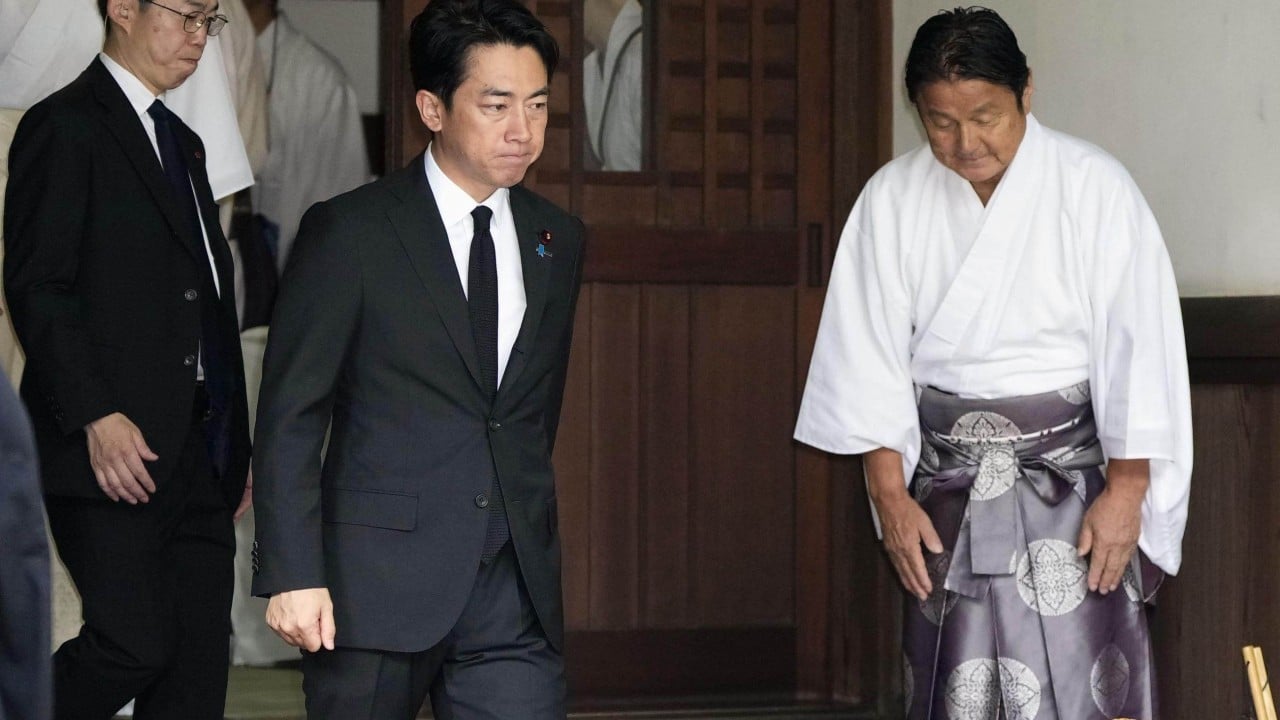
On the 81st anniversary of Japan's unconditional surrender in World War II, the cycle repeated. Defense Minister Shinjiro Koizumi and several other senior officials visited the Tokyo site in person, while Prime Minister Sanae Takaichi opted to send a ritual monetary offering instead of an in-person appearance. Beijing reacted swiftly, lodging formal protests and condemning the moves as a blatant attempt to whitewash wartime aggression.
If you want to understand why a collection of traditional buildings in Tokyo routinely paralyzes diplomatic progress between economic powerhouses, you have to look past the surface headlines. This isn't just about faith or honoring the dead. It's about a fundamental fracture in how history is recorded, remembered, and weaponized.
What Makes Yasukuni Shrine So Controversial
To understand the outrage, you need context. The shrine itself honors roughly 2.4 million people who died fighting for Japan, dating back to the nineteenth century. On paper, it functions like a military memorial.
The core conflict stems from a specific group added quietly to the registry in the mid-1970s. Among those enshrined are 14 Class-A war criminals convicted by the Allied tribunal after 1945. These men were the chief architects of Japan's brutal military expansion across Asia, an expansion that left millions dead in China, Korea, and across Southeast Asia.
When sitting cabinet ministers bow before a site that elevates convicted war criminals alongside ordinary soldiers, neighboring countries don't see personal mourning. They see state-sanctioned revisionism.
China's Ministry of Foreign Affairs didn't mince words following the recent anniversary. Beijing argued that these political gestures expose a deliberate strategy to distort historical facts and pave the way for a resurgence of militarism. South Korea echoed similar concerns, calling the visits an anachronistic refusal to face the past with sincere remorse.
The Delicate Dance of Japanese Domestic Politics
Why do Japanese leaders keep walking into this diplomatic minefield? Domestic optics play a massive role.
Right-wing factions and conservative political bases inside Japan view visits to Yasukuni as a litmus test of nationalism and loyalty. Prime Minister Takaichi's decision to stay away physically while still sending a ritual cash offering through party intermediaries highlights a delicate balancing act. She wanted to avoid a complete rupture in trade and diplomatic channels with Beijing and Seoul, yet she still needed to appease her hardline conservative base by maintaining a symbolic connection to the shrine.
Defense Minister Koizumi took a different route, walking straight through the gates in a dark suit to pay his respects. While proponents argue that politicians have every right to mourn fallen soldiers in their personal or official capacities, critics point out that holding high office strips these actions of any personal ambiguity. To regional neighbors, a defense minister visiting Yasukuni sends a chilling message about Japan's future security posture.
The Broader Fallout for Regional Stability
East Asia relies heavily on cross-border trade and fragile economic stability. Yet every August acts as a stress test for regional cooperation.
When historical grievances flare up, long-term security dialogues stall. Beijing views the normalization of these shrine visits as a direct challenge to the post-war international order. For a region already grappling with competing maritime claims and shifting geopolitical alliances, unresolved historical trauma acts as an accelerant for mutual distrust.
True reconciliation requires more than pragmatic diplomacy or calculated compromises where leaders stay home while sending proxies instead. Until Tokyo and its neighbors reach a shared consensus on the dark chapters of the twentieth century, the ghost of World War II will continue to haunt modern geopolitics every single summer.