Berlin in the late 1920s was a city breathing on broken glass. Neon flickered over jazz clubs while political fury pooled in the gutters, and at the center of this swirling, metallic vortex lived the most famous mind on earth. Albert Einstein wanted out. Not out of the world, exactly, but out of the noise. The endless stream of admirers peering through his windows, the academic politics, the suffocating smoke of the metropolis—it grated against a man whose greatest discoveries had been born in absolute silence.
He needed a sanctuary. He needed water, wind, and wood.
The story usually told is one of municipal betrayal. The city of Berlin had grand designs to gift the physicist a magnificent estate by a lake for his fiftieth birthday in 1929. Banners were no doubt imagined, speeches prepared, keys handed over with cameras flashing. But bureaucracy has a way of strangling grace. When the public discovered that municipal land was being handed over to a private citizen, even a Nobel laureate, the outrage erupted. The gift fell through, collapsed under the weight of local politics and petty scandal.
Most men would have grown bitter. Einstein simply turned around, bought his own piece of earth, and built something better.
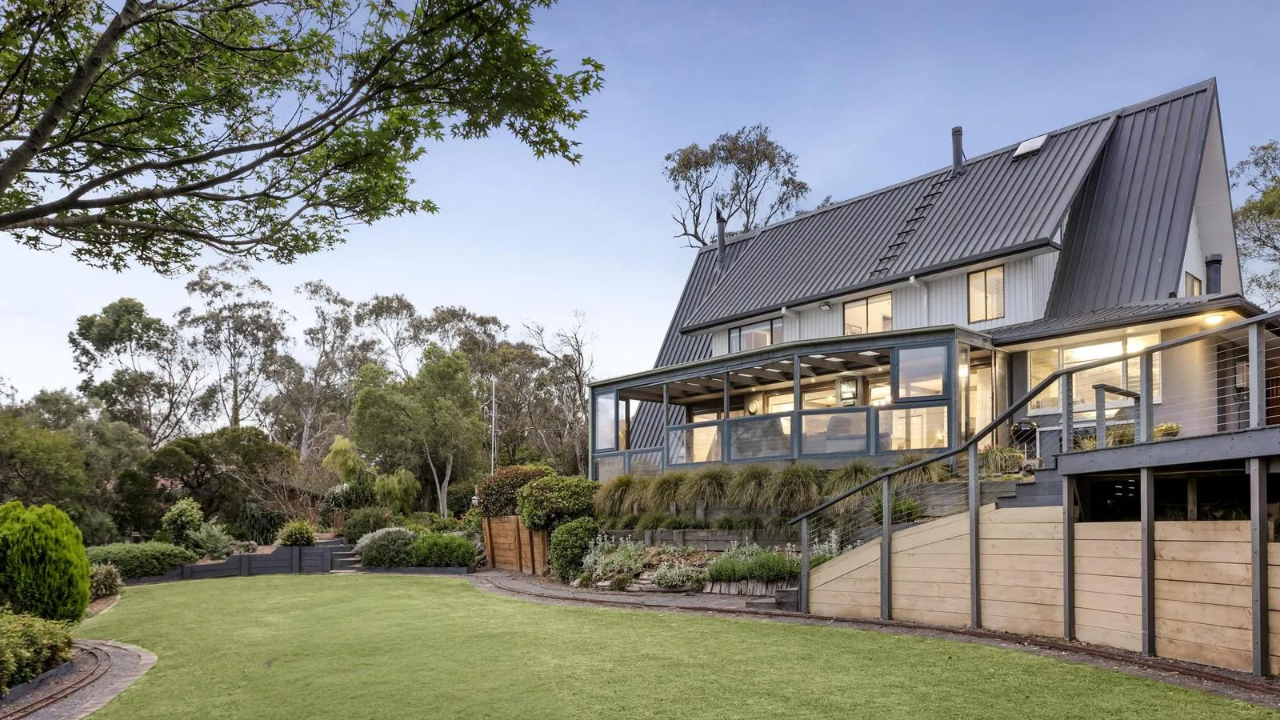
Across the city border, nestled in the quiet, pine-scented embrace of Caputh along the Havel River, he found what he was looking for. This was not a grand palace. It was a modest, timber-framed summer house designed by architect Konrad Wachsmann. Wood. Just wood and glass, smelling of resin and standing quietly among the trees.
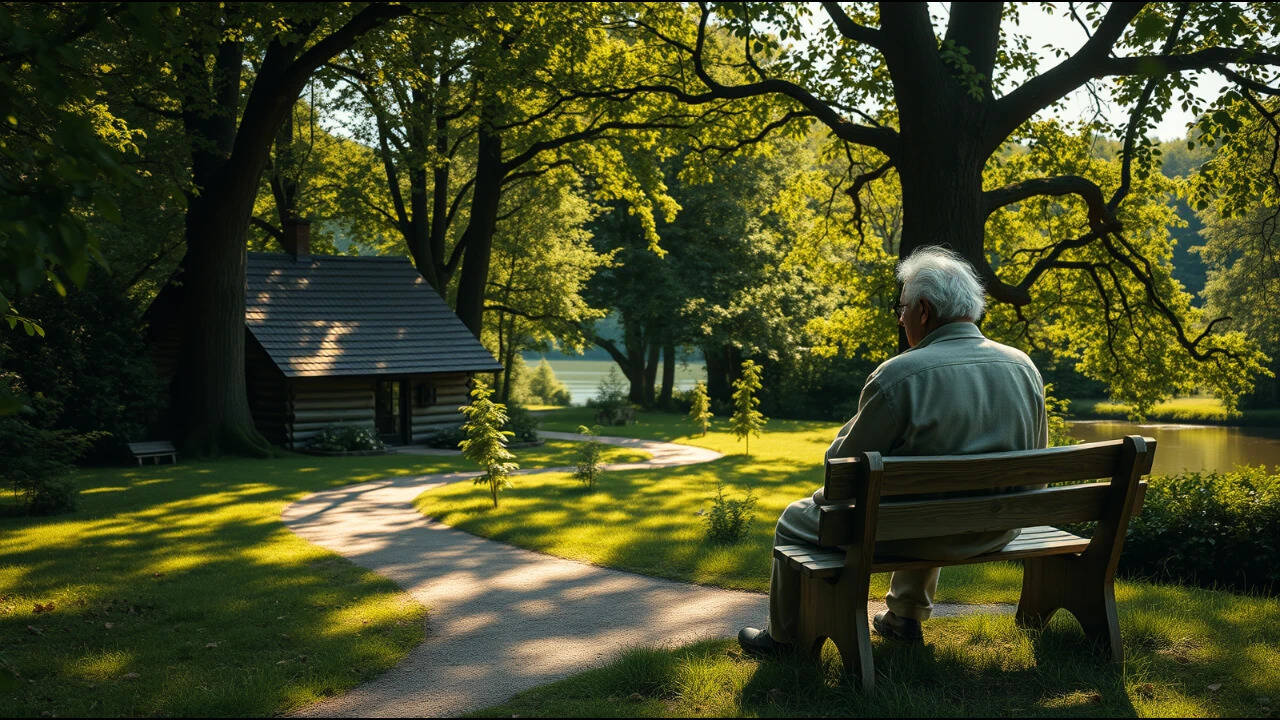
Step into that space in your mind. The floorboards creak underfoot. Outside, the surface of the lake laps against the wooden piles of the modest dock, a steady, metronomic heartbeat that washed away the static of quantum mechanics and field equations. Here, there were no reporters. There was only the wind sighing through the pine needles and the steady scratch of a fountain pen on paper.
Einstein called it his Caputh retreat, a haven where he could sail his beloved dingoy, the Tümmler, until his knuckles grew red and his mind went blank. Sailing was his meditation. He was notoriously inept at navigation, often getting stuck in the reeds or drifting aimlessly while lost in thought, yet that was precisely the point. On the water, equations dissolved. There was only the pressure of the tiller and the infinite blue above.
The irony of the failed Berlin gift is delicious, though quiet. The city intended to honor him with an administrative monument, a heavy piece of civic real estate tied to public funds and political vulnerability. Instead, by failing him, they forced him to create something deeply personal. The Caputh house became an extension of his own philosophy: unpretentious, functional, and intensely focused on what actually mattered.
Consider what happens when the noise stops.
For a few brief summers, Caputh was a domestic utopia. Elsa, his wife, managed the household while Albert chopped wood, smoked his pipe on the veranda, and hosted young intellectuals, physicists, and musicians who rowed across the water to sit at his wooden table. Music filled the rooms—Bach played on the violin, notes drifting out over the dark water as the sun dipped below the horizon. It was an island of sanity while the rest of Germany was slowly losing its mind.
Because the shadows were gathering. Just beyond those peaceful pines, the dark tide of National Socialism was rising. The very public that had bickered over his birthday gift would soon burn his books and declare his theories "Jewish physics." The wooden refuge in Caputh would be abandoned forever, a casualty of a world tearing itself apart.
Yet, for those few years, the house held firm. It stood as a monument to human scale. While the universe expanded in Einstein's notebooks, his feet remained firmly planted on the pine floors of a small cabin he paid for with his own money.
We spend so much of our lives waiting for gifts that never arrive, waiting for institutions to validate our worth, waiting for the city to hand us the keys to our rightful place. We curse the red tape, the sudden reversals, the administrative failures that derail our plans. But the true sanctuary is rarely given. It is carved out of the wilderness by our own hands, built piece by timber piece, away from the applause and the anger.
The water in the Havel still moves past the shore. The pines still whisper in the wind. And somewhere in the quiet space between the trees, the ghost of a solitary sailor sits on a wooden dock, watching the ripples spread outward, infinitely, into the dark.