The hum of the air conditioner is a sound we’ve learned to ignore, like the steady thrum of a heartbeat. It is the white noise of modern comfort, a mechanical promise that no matter how much the sun beats down on the pavement outside, the air inside will remain crisp and dry. But in the corridors of power in Beijing, that hum is sounding increasingly fragile.
There is a phantom haunting the Pacific. It doesn’t have a face, but it has a name that sounds deceptively gentle: El Niño. To a meteorologist, it is a routine shift in ocean temperatures. To a world already gasping for energy, it is a slow-motion wrecking ball aimed directly at the global fossil fuel supply.
The Fever in the Water
Imagine a massive swimming pool where the heater has been left on in one corner for too long. Usually, the trade winds act like giant fans, pushing the warm surface water toward Asia and allowing cold, nutrient-rich water to rise up near South America. But every few years, those winds stumble. They weaken. Sometimes, they even reverse.
When the winds fail, that warm water sloshes back across the Pacific. It sits there, a vast reservoir of heat, radiating energy into the atmosphere. This is the "Little Boy," the El Niño.
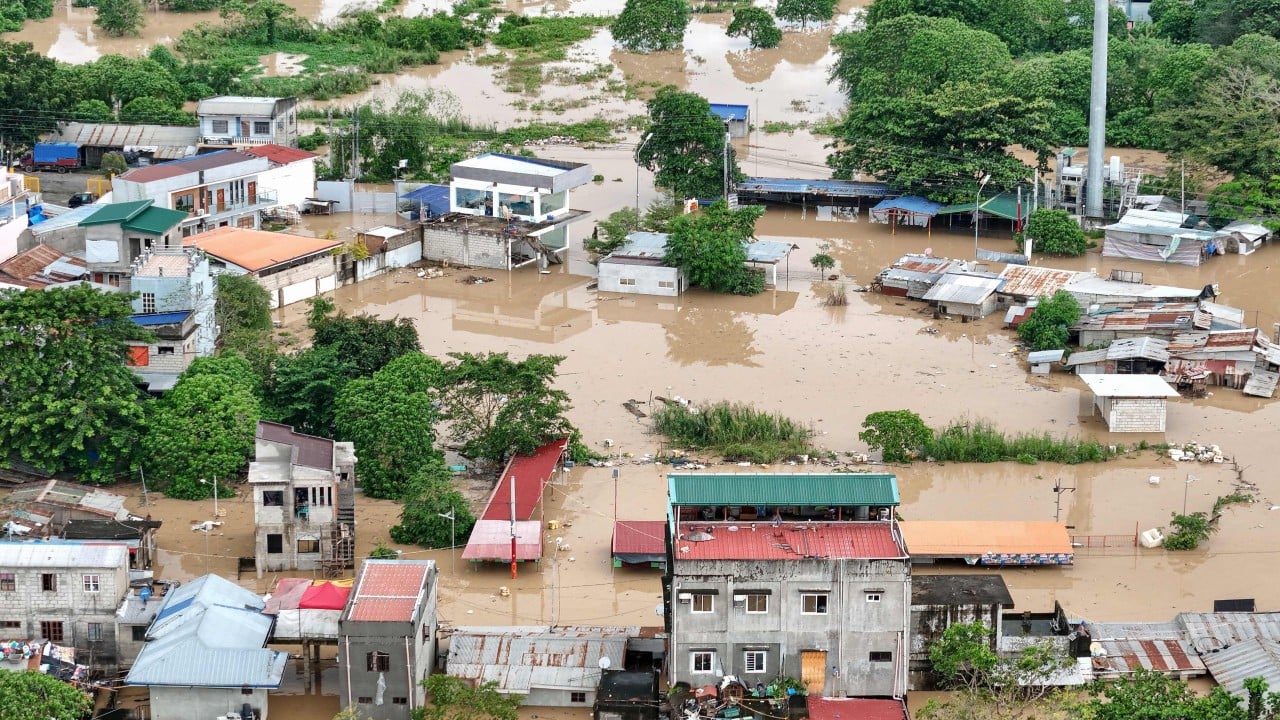
During a strong cycle, the atmosphere reacts like a nervous system under fire. Rainfall patterns that have been predictable for centuries suddenly shift. The places that need water get fire; the places that are built for sun get floods. This isn't just a problem for farmers or coastal vacationers. It is a direct threat to the wires and pipes that keep our civilization running.
China’s meteorological authorities recently issued a warning that isn't just about umbrellas and sunscreen. They are tracking a "strong" El Niño event, one that threatens to shatter temperature records and, more importantly, upend the delicate balance of the global energy market.
The Thirsty Dragon
To understand why a warm patch of water in the Pacific can cause a coal shortage in a provincial Chinese city, you have to look at the anatomy of an energy grid.
China is a giant that breathes coal but drinks water. While the world talks about the transition to green energy, the reality on the ground is a frantic juggling act. When the heat arrives, it brings a double-edged sword. First, the demand for cooling skyrockets. In cities like Chengdu or Chongqing, where the humidity can make 40°C feel like a furnace, every person with a finger reaches for the "on" switch. The grid groans under the weight of millions of compressors kicking into high gear at once.
Then comes the second edge of the sword: the drought.
Much of China’s renewable strategy relies on the massive hydroelectric dams that bridge the nation's great rivers. But El Niño often brings blistering dry spells to the very regions that house these dams. When the reservoirs drop, the turbines slow. The water that should be spinning magnets to create light is instead shimmering uselessly behind concrete walls.
When the hydro power fails, the "call" goes out. It’s a silent, desperate signal sent to the coal mines and the gas terminals. "We are short," the signal says. "Burn everything you have."
The Ripple on the Surface
Consider a hypothetical regional manager at a coal-fired plant in Inner Mongolia. Let’s call him Chen. For months, Chen has been told to keep stockpiles high because the winter was cold. Now, as the El Niño heatwave settles over the southern provinces, he receives a frantic order to ramp up production to 110%.
He isn't alone. Every plant manager across the continent is doing the same thing.
This creates a vacuum. China is the world’s largest consumer of coal. When its domestic hydro power fails, it doesn't just suck up its own resources; it reaches out into the global market like a starving man at a banquet. It outbids smaller nations for shipments from Australia and Indonesia. It drives the price of liquefied natural gas (LNG) into the stratosphere.
The "fossil fuel crisis" mentioned in dry news reports isn't an abstract graph. It is the sound of a bidding war. It is the reality of a family in a developing nation seeing their electricity prices double because a heatwave three thousand miles away forced a superpower to buy up the world's spare fuel.
The Invisible Stakes
The real danger of a strong El Niño isn't just the heat—it’s the unpredictability. We have built our global economy on the assumption of a "stable" climate. We assume the rains will come to fill the dams. We assume the shipping lanes will remain calm. We assume the demand for heating and cooling will follow a predictable seasonal curve.
El Niño breaks those assumptions.
When the heat persists into the autumn and winter, it disrupts the traditional cycle of fuel stockpiling. Usually, summer is a time to breathe, to refill the tanks before the winter chill. But if the summer heat is so intense that it consumes the winter’s reserves, we enter the cold months with empty pockets.
There is a psychological toll to this as well. When a government warns of a "worsening fossil fuel crisis," they are signaling to the markets that the era of cheap, easy energy is over—at least for this cycle. Traders react. Prices spike. Inflation, that creeping thief of household wealth, finds a new reason to stay high.
A World Out of Sync
It is tempting to think of this as a purely "Chinese" problem, a localized warning from a state agency. That would be a mistake.
The global energy market is a single, interconnected web. A drought in the Yangtze river basin translates to higher heating bills in London. A heatwave in the North China Plain means a cargo ship of coal is diverted from a port in Rotterdam to a terminal in Shanghai.
We are living in a period of extreme sensitivity. After years of geopolitical tension and supply chain shocks, the energy buffer is gone. There is no "extra" gas sitting in a tank somewhere waiting for a rainy day. Every joule of energy is already spoken for.
When El Niño arrives, it doesn't just bring heat; it brings friction. It forces us to confront the fact that our high-tech, digital world is still fundamentally beholden to the temperature of the sea. We are still, in many ways, an agricultural society that has traded its plows for servers, yet we remain just as dependent on the wind and the rain.
The Cost of Cold
Walk through any major city during a peak El Niño month. You will see the shimmer of heat rising from the asphalt. You will hear the collective roar of thousands of outdoor air conditioning units spitting hot air back into the streets to keep the interiors cool. It is a feedback loop of our own making.
We burn fossil fuels to stay cool because the world is getting warmer, which in turn makes the world warmer, requiring more fossil fuels. El Niño is the accelerant. It takes a trend that was already concerning and turns it into an emergency.
China’s warning is a flare sent up in the dark. It is an admission that despite all the solar panels and wind turbines, the "old" energy—the carbon buried in the ground—is still the only thing standing between a functioning society and a blackout when the weather turns hostile.
The ironies are thick. We are using the very substances that changed the climate to protect ourselves from the climate’s latest tantrum. And as the Pacific warms, the price of that protection is going up.
There is no "solution" to an El Niño. It is a planetary rhythm, a breath the Earth takes. We can only prepare. But preparation requires a level of global cooperation that is currently in short supply. As nations retreat into energy protectionism, hoarding coal and restricting exports to save their own grids, the "crisis" becomes a zero-sum game.
Someone, somewhere, will be left in the dark.
The light on your desk, the screen in your hand, the cold air in your room—they are all connected to a thermometer in the middle of the ocean. Right now, that thermometer is climbing. The hum of the air conditioner continues, but for the first time in a long time, it sounds less like a comfort and more like a countdown.
We are waiting for the wind to change. But the wind is tired, and the water is very, very warm.