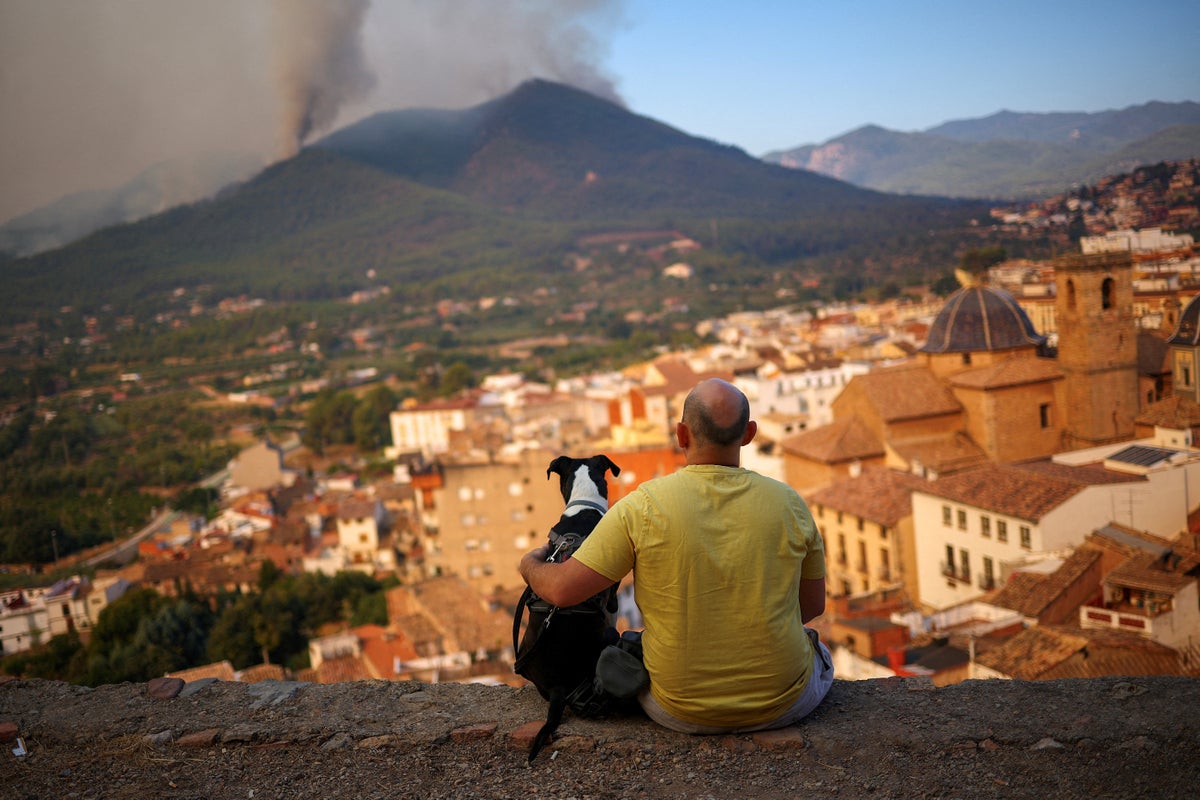
When the wind shifts and the sky turns the color of a bruised peach, standard emergency advice often breaks down completely. Most people believe escaping a wildfire means packing the car, following the highway signs, and driving calmly away from the smoke. That assumption kills. Evacuating a fast-moving fire requires understanding how wind tunnels, spot fires, and human panic turn orderly exits into fatal bottlenecks. Decades of disaster reporting show a glaring gap between official evacuation guidelines and the messy, terrifying reality on the ground.
The Anatomy of a Panic Bottleneck
Traffic gridlock remains the single greatest killer during modern interface fires. When thousands of residents attempt to flee simultaneously down two-lane rural corridors, the infrastructure collapses under the strain.
Emergency planners design evacuation routes based on ideal conditions. They rarely factor in stalled vehicles, fallen power lines, or panicked drivers abandoning cars when roads become impassable.
Consider a hypothetical evacuation in a canyon community with only a single ingress and egress route. If a utility pole snaps half a mile down the pass, the entire column halts. Within minutes, radiant heat and wind-driven embers reach the trapped vehicles.
- Capacity limits: Rural roads cannot handle peak-hour evacuation loads from densely populated residential pockets.
- Human error: Abandoned vehicles block municipal snowplows and emergency brush trucks from clearing paths.
- Communication lag: Official alerts often arrive via smartphone notifications that fail in areas where cellular towers have already lost power.
Micro-Weather and Wind Behavior
Fire does not creep forward in a polite line. It throws burning brands hundreds of yards ahead of the main front, creating spot fires that trap fleeing motorists from behind.
Surface winds interact with topography to create localized tornadoes of fire. Valleys act as natural funnels, accelerating gusts to hurricane force and driving flame fronts across highways before drivers can react.
Emergency services frequently instruct citizens to stay on main roads. Yet, those exact corridors often run parallel to heavy timber and brush, turning evacuation routes into gauntlets of radiant heat.
Redefining Defensive Survival
Surviving an extreme wildfire event requires abandoning the hope that authorities will rescue every household in time. Personal preparedness means recognizing the trigger points for immediate flight long before mandatory evacuation orders appear on a phone screen.
- The Go Bag reality: Keep physical documents, critical medications, and N95 masks within arm's reach. Do not waste precious minutes gathering photo albums or electronics.
- Vehicle readiness: Always keep gas tanks at least half full during high-risk dry seasons. Park vehicles facing outward in the driveway to shave critical seconds off departure times.
- Defensible space limits: Clearing brush around a home saves structures, but it does not protect escape routes choked by unmanaged public lands.
Real security comes from hardening your mindset against normalcy bias. People routinely delay leaving because their home looks safe right now. By the time the smoke turns black, the window for safe travel has closed.
The next time red flag warnings sound and the utility companies shut off the grid, do not wait for the sirens. Pack early, know two distinct ways out of your neighborhood, and assume the main highway is already blocked.


