The lazy consensus of Washington media is as predictable as it is comfortable. When an administration restricts press credentials, the White House Correspondents Association issues a solemn, parchment-weight statement condemning the move as an existential crisis for the First Amendment. Journalists nod gravely, lawyers draft emergency injunctions, and cable news networks carve out prime segments to hyperventilate about the death of democracy.
Everyone plays their assigned role. Everyone looks noble. And everyone gets exactly what they want. Read more on a similar subject: this related article.
Let us stop pretending this ritual is about the sacred defense of constitutional principles. It is a commercial transaction wrapped in a flag.
The Economics of Exile
Consider the actual utility of a White House press badge in the modern era. For decades, physical proximity to the briefing room was the ultimate currency of political journalism. You sat in the room, you asked your gotcha question, and you transmitted the official daily theater to the public. Further analysis by Reuters explores related perspectives on the subject.
That model died years ago. Today, physical access inside the executive mansion does not yield exclusive reporting; it yields commodified transcriptions and staged viral moments.
When networks like CNN, MS NOW, and Politico are barred from the premises, the mainstream press corps does not suffer a catastrophic informational blackout. Instead, they receive a massive ratings and subscription windfall. Exile is not an professional tragedy for a modern media outlet; it is a marketing strategy.
An ostracized newsroom can instantly rebrand routine political friction into heroic martyrdom. Every barred reporter becomes a digital resistance icon. Subscription click-through rates spike. Ad revenue climbs. The narrative shifts away from lagging investigative scoops or structural blind spots to a clean, binary battle between good journalists and a bad executive.
The White House Correspondents Association protects this ecosystem because it keeps the old-school prestige economy alive. If physical access to a podium loses its value, the entire apparatus of credentialed exclusivity loses its value with it.
The Illusion of Access
The core misconception perpetuated by media advocacy groups is that physical proximity equals accountability. It rarely does.
Real investigative reporting happens in procurement offices, through federal database audits, via whistleblower encryption, and across local municipal boards where nobody is holding a televised press conference. The obsession with Oval Office seat assignments and briefing room microphone turns fosters a lazy brand of stenography. Reporters spend their days cataloging spin, reacting to inflammatory social media posts, and treating the daily briefing like a high-stakes debate tournament rather than an administrative proceeding.
When an administration pulls credentials, the outcry assumes that vital transparency has been extinguished. But let us look at the empirical reality of modern press briefings. They are carefully choreographed spectacles designed to generate soundbites, not illumination. Banning specific outlets does not silence them; it merely frees them from the performative trap of the briefing room, allowing them to redirect resources toward actual investigative work instead of chasing daily theater.
Yet, nobody in the mainstream media wants to admit this truth. Admitting that the briefing room is mostly theater devalues the decades of institutional capital accumulated by legacy networks.
The Real Threat to Journalism
The danger to contemporary media is not a president playing petty gatekeeper with press passes. The real danger is internal. It is the addiction to outrage cycles, the systematic hollowing out of regional newsrooms, and the reliance on institutional access as a substitute for shoe-leather reporting.
When outlets treat a credential revocation as a five-alarm constitutional fire, they flatter their own importance while distracting audiences from systemic failures. It is a convenient distraction. A legal battle over White House access is clean, public, and expensive—a high-profile courtroom drama that plays well on evening broadcasts. Digging through messy municipal budgets or complex corporate lobbying disclosures is hard, unglamorous, and does not trend on social media.
The establishment press and populist administrations are locked in a symbiotic wrestling match. Each needs the other to validate its existence. The administration plays the heavy to rally its base; the press plays the persecuted hero to rally theirs.
Stop buying the outrage. The journalists aren't bleeding; they are cashing the checks.
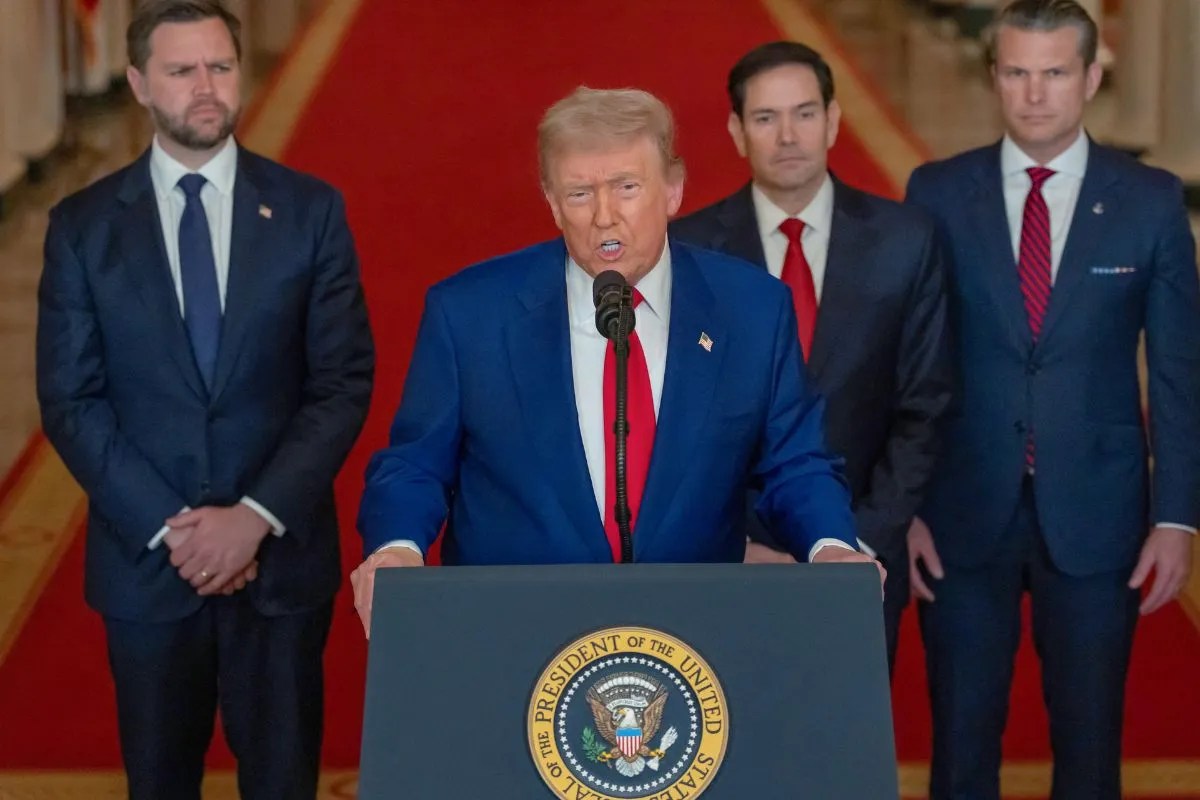
WATCH: Trump says he is banning CNN, MSNOW and Politico from the White House
This footage captures the exact moment the administration formalized its media restrictions, illustrating the performative nature of executive press access disputes.