Twelve people lost their lives and dozens more were injured after a Polish tourist bus veered off a motorway in eastern Hungary. Long-distance transit safety is under intense scrutiny again following this disaster.
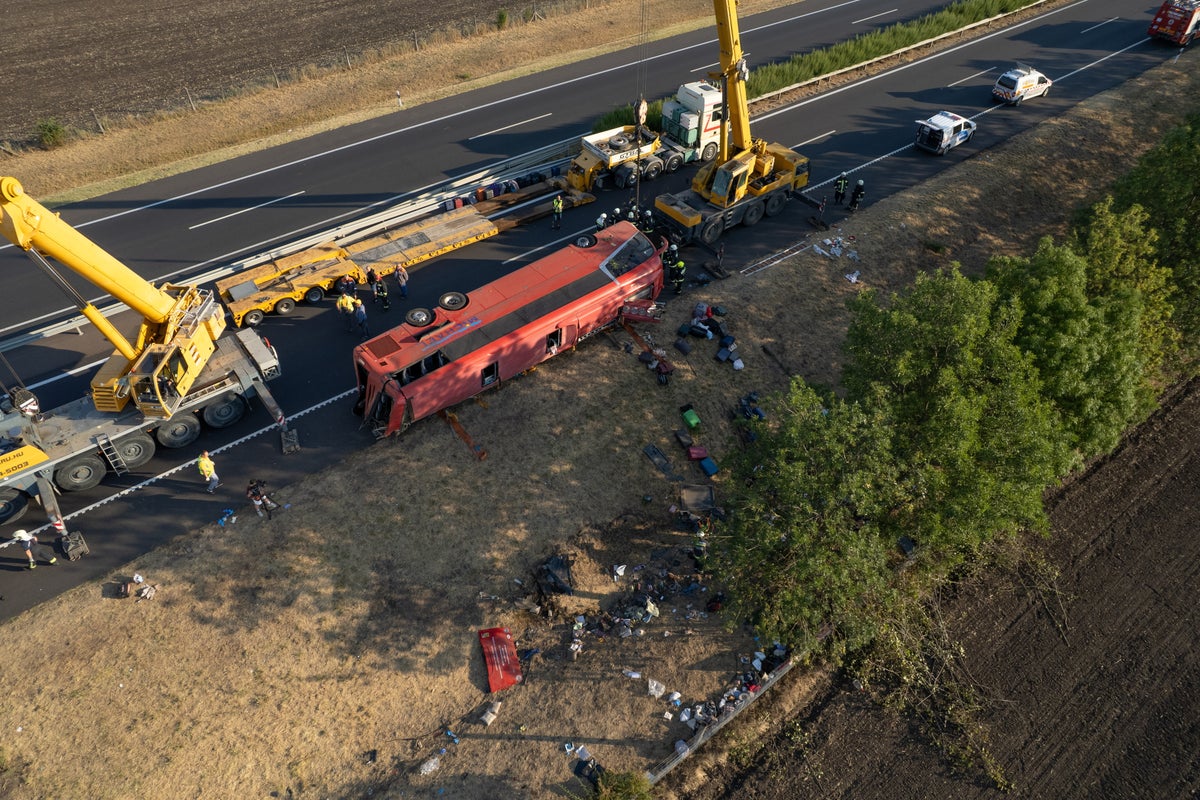
Early Sunday morning, an ordinary highway journey turned catastrophic. The vehicle, carrying 57 passengers and two drivers, was travelling along the M3 motorway toward Nyiregyhaza. Near the town of Mezőkeresztes, roughly 140 kilometres east of Budapest, the heavy vehicle drifted off the straight stretch of asphalt, plunged into a deep ditch, and rolled over completely. Meanwhile, you can read related stories here: The Diplomatic Calculus of Dhaka and Delhi Why Extradition Defines the New South Asian Equilibrium.
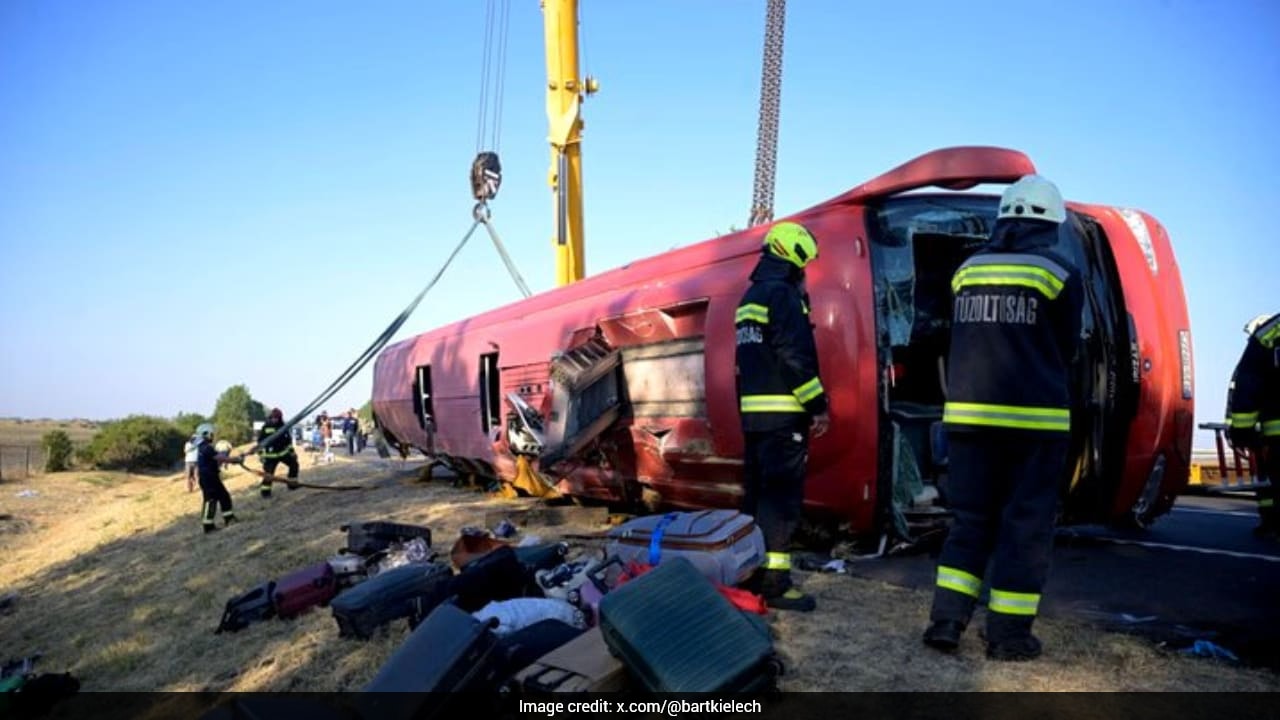
The human toll is devastating. Eleven people died at the scene, while another victim succumbed to injuries after being rushed to the hospital. Ten passengers suffered serious injuries, and local medical services reported that roughly 37 others sustained minor cuts, bruises, and shock. Emergency crews faced a grueling rescue operation, having to extract trapped passengers through shattered windows while cranes lifted the heavy wreckage.
Why Did the Crash Happen
Police investigations point quickly to driver fatigue. Preliminary findings indicate that the driver likely fell asleep at the wheel during the dead of night. To see the full picture, we recommend the excellent report by The New York Times.
The driver survived the wreckage and was taken into custody by Hungarian authorities as criminal inquiries began. Long-haul drivers face grueling hours, and even with two drivers assigned to a route, nocturnal fatigue remains one of the most persistent hazards in international coach travel. Poland's infrastructure ministry announced immediate plans for enhanced checks on commercial transport companies, focusing strictly on compliance with regulated working and resting hours.
The Journey Home That Turned Tragic
The passengers onboard were not random vacationers. They were a group of Polish pilgrims from the southeastern Podkarpackie region returning home from a spiritual trip to Međugorje in Bosnia and Herzegovina.
Transfers were organized to move surviving passengers to regional hospitals in Eger, Debrecen, and Miskolc. Polish authorities coordinated rapid consular assistance, while leaders from both nations expressed shock and grief over the disaster. Polish President Karol Nawrocki and Hungarian Prime Minister Péter Magyar issued public statements offering deepest condolences to the families of the victims and praising the rapid response of local disaster management teams.
A Grim Echo of Past Road Disasters
This incident ranks among the most severe highway tragedies in the region in recent years. Long-distance religious and tourist bus routes from Poland to southern destinations have faced similar nightmares before, including a catastrophic 2022 crash in Croatia and a deadly 2002 collision in Hungary.
Transport safety advocates argue that mandatory rest enforcement technology and stricter monitoring of night driving schedules need an overhaul across European corridors. Until structural changes are enforced, passengers boarding long-distance coaches overnight remain vulnerable to the hidden limits of human endurance.