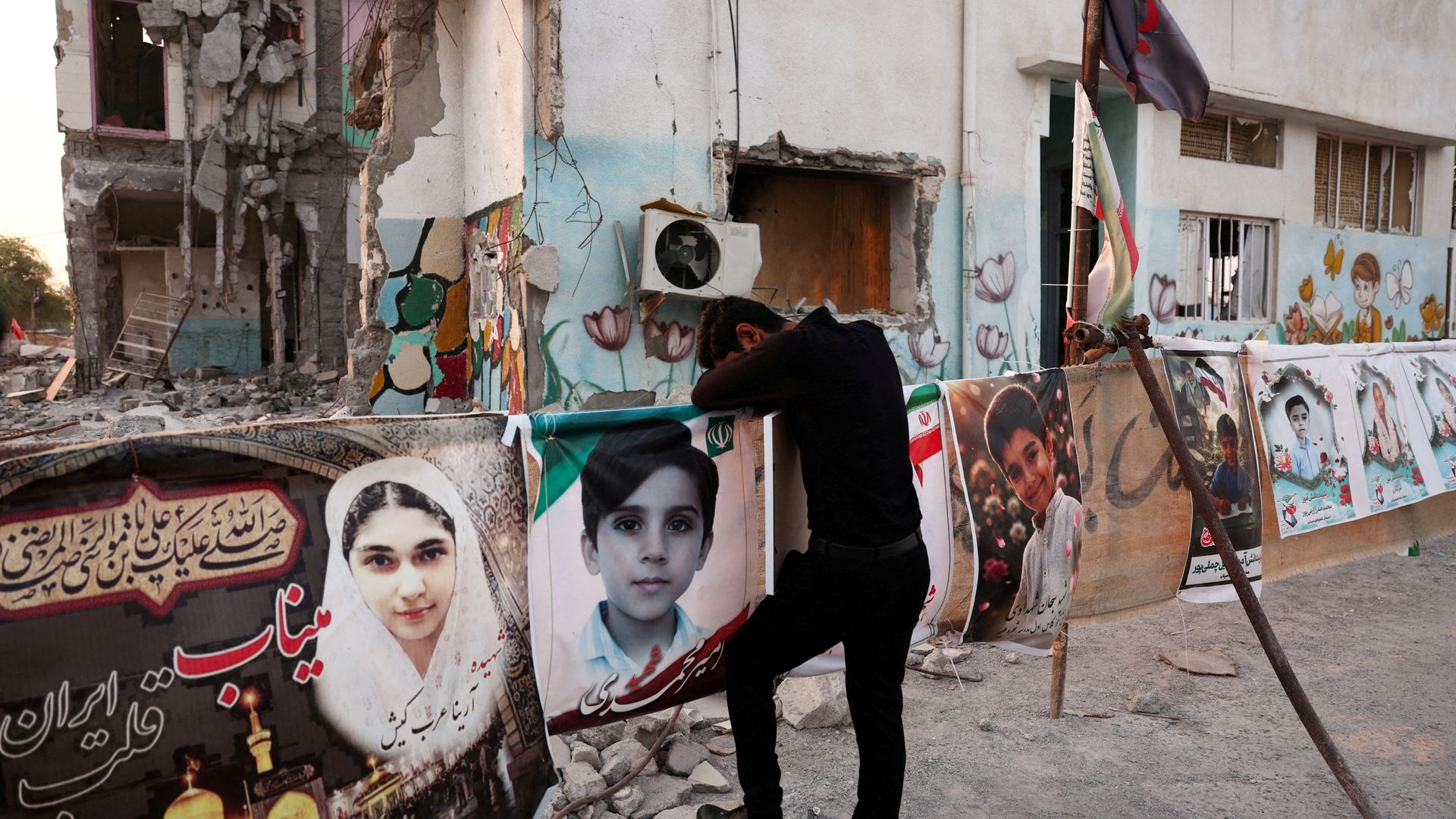
Paper rustles in a quiet Geneva office. Ink dries on formal reports. Across borders, digital files travel through encrypted cables, carrying testimonies whispered in secret, transcribed carefully, and stored in heavy folders. To the outside world, these are documents. Statistics. Paragraphs of international legal terminology.
Labels matter. When international investigators apply a legal definition to what is happening behind closed doors, they are not merely choosing words for a textbook. They are naming a reality that many have tried to erase. Amnesty International's recent findings regarding Iran do not arrive as a sudden revelation to those who have lived through the aftermath of protests, crackdowns, and silenced dissent. They arrive as formal recognition of a weight that has been carried for years.
Consider what it means for a government to turn its apparatus against its own populace on a systemic scale. When dissent is met not with dialogue, but with organized lethal force, the relationship between citizen and state shatters completely.
The documents compiled by monitors point to a grim architecture of control. Arbitrary arrests. Enforced disappearances. Torture used systematically to extract confessions that are later broadcast on state television. These are not isolated incidents born of local panic. They follow patterns. They demonstrate coordination.
Imagine sitting across from a mother who has not heard her son's voice in eighteen months. She has visited three different detention centers. Each time, she is handed a different excuse, or worse, silence. No paperwork. No trial date. Just the absence where a person used to be. This is the invisible machinery of repression. It operates quietly, away from the cameras, relying on fear to keep the remaining witnesses quiet.
International human rights bodies analyze these actions through the lens of international criminal law. Crimes against humanity are distinct from ordinary criminal offenses or even standard human rights violations. They require a widespread or systematic attack directed against any civilian population, pursuant to or in furtherance of a state or organizational policy.
Proving such a threshold requires mountains of evidence. It demands forensic audio analysis of gunfire during nighttime protests. It requires satellite imagery of cemeteries where unmarked graves appear overnight. It requires the brave testimony of doctors who treated gunshot wounds in makeshift clinics, risking their own lives to save strangers.
When investigators put these pieces together, a clearer picture emerges. The crackdowns following widespread protests—whether sparked by economic hardship or demands for basic civil liberties—reveal a calculated response. The goal is deterrence through terror.
Yet, human resilience often outlasts calculated cruelty.
In urban apartments, people share encrypted news updates beneath flickering fluorescent lights. Lawyers take on impossible cases, knowing they too might find themselves targeted. Ordinary citizens record footage on cracked smartphone screens, uploading files to foreign servers before their devices can be confiscated at checkpoints.
History shows that repression leaves paper trails. Orders are signed. Budgets are allocated for surveillance equipment. Memorandums circulate. Even the most secretive institutions generate debris, and investigators sift through that debris piece by piece.
The declaration by human rights organizations does not change the laws of physics or open prison gates overnight. Its power lies elsewhere. It alters the diplomatic landscape. It creates permanent records that travel across generations. It ensures that perpetrators cannot simply rewrite history once the smoke clears.
Justice moves slowly, bound by rules of evidence and geopolitical constraints. But truth, once documented with meticulous care, is difficult to bury permanently. The reports resting on desks in Geneva and London are testaments to that endurance. They are reminders that behind every statistic in a legal brief, there is a human story refusing to be erased.