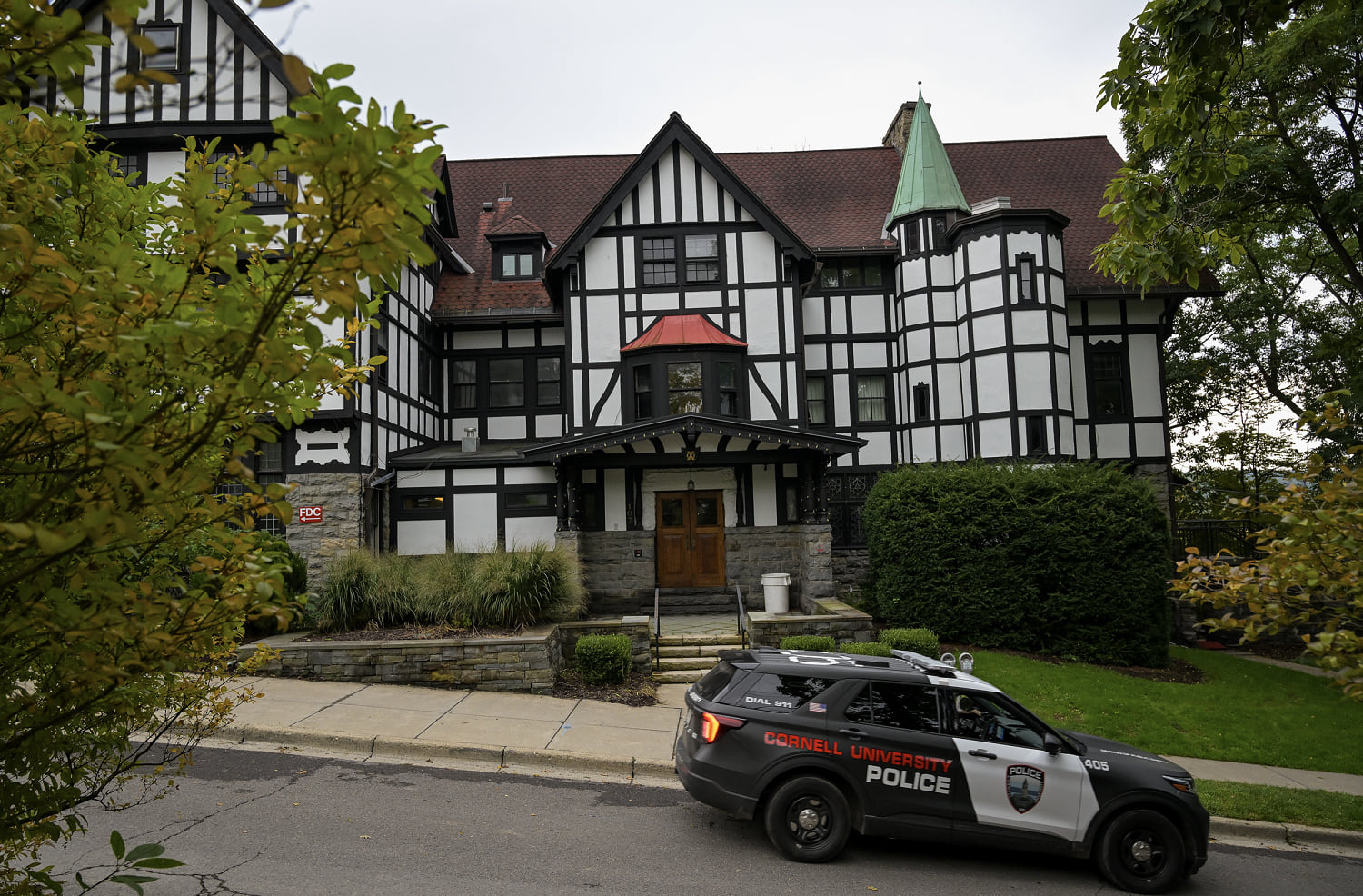
Paperwork does not bleed. It does not shake in the fluorescent glare of a midnight interrogation room, nor does it carry the hollow echo of a survivor trying to rebuild the architecture of a shattered life. It sits neatly in manila folders, stapled, numbered, and cataloged. Until it is ignored.
When an accusation of sexual assault tears through the manicured lawns and Gothic stone of an Ivy League campus, the machinery of justice is expected to move with meticulous, unyielding precision. Every statement matters. Every witness account, every panicked text message sent at 2:00 AM, every digital footprint and whispered corroboration forms the fragile scaffolding of truth. Yet, in the machinery handling the alleged rape of a Cornell University student, a staggering admission surfaced: the District Attorney’s office simply did not review statements and other vital evidence collected during the initial investigation.
Let that sink in.
Evidence exists. Statements were given. Human beings bared their trauma, recounting the worst moments of their existence to investigators, trusting that the system was built to catch them as they fell. And those pages remained unread.
To understand why this failure cuts so deeply, we have to look past the cold legalese and step into the reality of what it means to come forward.
Imagine sitting across from a detective. Your hands are wrapped around a paper cup of lukewarm water that you cannot bring yourself to drink. Your throat is tight. You are forcing yourself to drag memories out of the dark—memories you would give anything to erase—because you believe that by speaking them aloud, you are securing safety, accountability, and justice. You are handing over pieces of your soul, translated into police reports, trusting that the people holding the pen will actually look at them.
When those files are bypassed, the betrayal is not merely procedural. It is existential.
The district attorney’s office holds a singular, terrifying power in the American legal ecosystem. They are the gatekeepers of consequence. They decide whose pain is validated by the state and whose story is deemed too complicated, too inconvenient, or simply too burdensome to prosecute. When a prosecutor fails to review the very evidence gathered by law enforcement, they are not just making a clerical oversight. They are performing an invisible erasure.
In legal terms, this is often brushed aside under the sanitized umbrella of prosecutorial discretion or administrative backlog. But let us be frank about what is happening behind those closed doors. The sheer volume of cases can become an easy shield for institutional lethargy. Prosecutors are overworked, understaffed, and constantly balancing conviction rates like corporate metrics. When a complex, emotionally charged campus assault lands on a desk, the temptation to look for an off-ramp—to find a reason why the case is too hard to win—is a historical failing of the American justice system.
Consider what happens next in the mind of a victim when news breaks that their file was treated like junk mail.
The silence from the office is deafening. The public statements issued later—often guarded, defensive, and wrapped in bureaucratic insulation—do nothing to restore the trust that was squandered. They talk about protocols. They talk about thresholds for prosecution. They do not talk about the human cost of a prosecutor who couldn't be bothered to turn the page.
Trust in the justice system is like old glass. Once it is shattered, you can glue the pieces back together, but the light will never pass through the same way again. Every time an institution fails to review the evidence in a sexual assault case, a dozen other survivors watching from the shadows decide to stay silent. Why speak? Why relive the trauma? Why subject yourself to the invasive skepticism of investigators if the people at the very top of the legal food chain are not even going to open the file?
The Cornell case is not an isolated aberration. It is a symptom of a systemic rot where cases involving college students are frequently treated as political footballs or administrative nuisances. On one side, universities are desperate to protect their brand, sweeping institutional failures under the rug to keep enrollment numbers stable and alumni donors happy. On the other side, local criminal justice systems are often ill-equipped or culturally hesitant to aggressively challenge powerful institutions or navigate the murky waters of campus culture.
And trapped in the middle are the students. Young adults navigating the most vulnerable transition of their lives, far from home, suddenly thrust into a nightmare where the people paid to protect them treat their trauma as optional reading.
We must demand more than apologies written by public relations teams. We must demand a cultural reckoning within prosecutorial offices. Reviewing evidence should not be a courtesy extended only to high-profile cases or slam-dunk indictments. It is the baseline moral obligation of the oath of office. If you do not look at the evidence, you are not administering justice. You are administering prejudice by neglect.
The manila folder sits on the desk. The dust motes dance in the shaft of afternoon light cutting through the blinds. Somewhere across town, a young woman looks out a window, wondering if her voice ever mattered at all. The ink on her statement is dry, but the wound is wide open, waiting for someone, anyone, to finally care enough to read.


