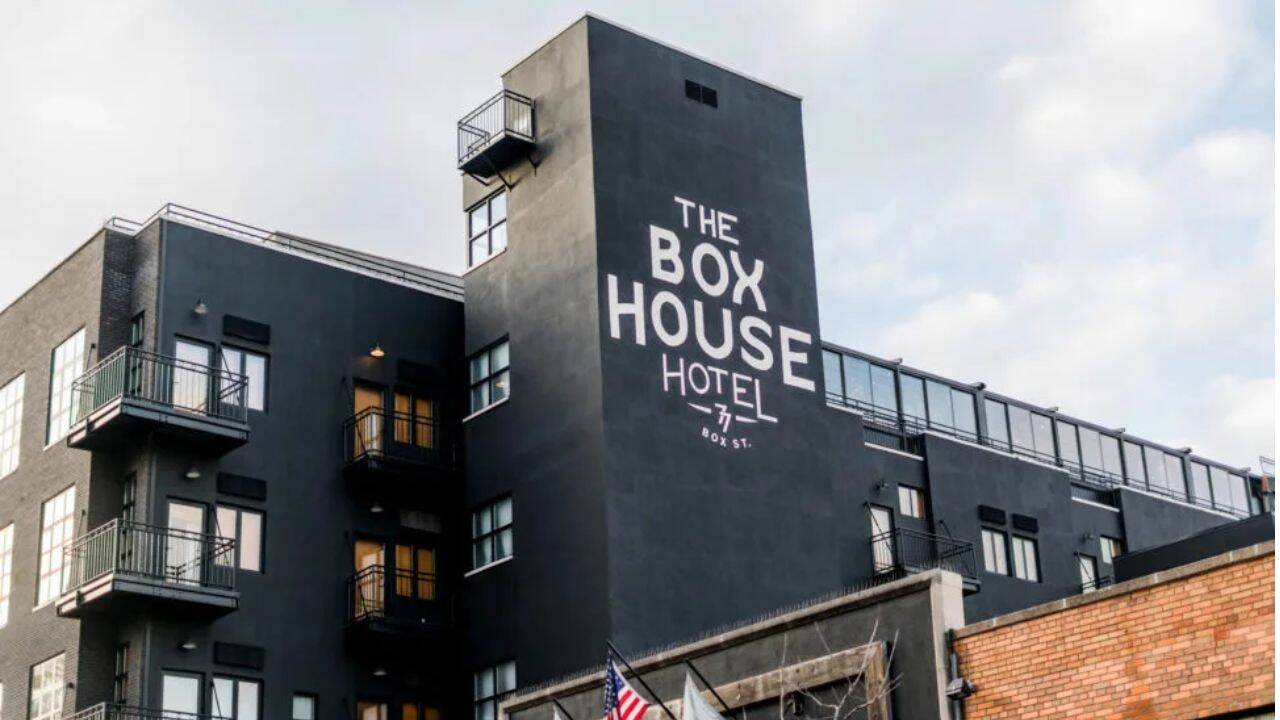
A Brooklyn wedding reception should end with champagne toasts and memories to last a lifetime, not a sudden, violent descent into norovirus misery. For one newlywed couple, the celebration barely concluded before acute gastrointestinal distress left them bedridden, turning their first days of marriage into a quarantine zone. It is a striking incident, but far from an isolated one. Behind the glossy veneer of high-end event catering lies an industry vulnerable to massive pathogen outbreaks, where a single infected food handler can dismantle a major celebration in hours.
Understanding how a joyous evening dissolves into a public health crisis requires looking past the individual misfortune and examining the systemic weaknesses within event catering, venue sanitation, and food safety enforcement. Don't forget to check out our recent post on this related article.
The Mechanics of a Mass Contamination Event
Norovirus is uniquely suited to wreck a wedding. It requires an extraordinarily low infectious dose. A mere eighteen viral particles can trigger severe vomiting, watery diarrhea, cramps, and nausea. When a wedding reception hosts one hundred or two hundred guests in a tight banquet hall, the environment becomes an amplification chamber for the virus.
Pathogens enter the venue through two primary vectors. The first is infected food service staff who report to shift despite mild symptoms, brushing off a queasy stomach as a hangover or simple fatigue. The second is contaminated raw produce, particularly imported berries or shellfish handled repeatedly before plating. If you want more about the context of this, Medical News Today provides an excellent breakdown.
Once the virus enters the kitchen, it spreads with terrifying speed. Commercial kitchens move fast. Platters are wiped down, garnishes are adjusted by bare hands, and ice scoops touch contaminated surfaces.
Why Banquet Operations Fail Inspection Standards
Standard restaurant inspections evaluate operations on a continuous baseline. They look at walk-in refrigerator temperatures, handwashing sink accessibility, and chemical sanitizer concentrations during normal operating hours.
Wedding venues operate differently. They often sit dark for days, only to ramp up into high-intensity production for a weekend rush. This surge model breeds operational shortcuts.
- Temporary staff hired through third-party agencies often lack formal food safety certifications.
- Prep kitchens get overwhelmed, leading to cross-contamination between raw meats and ready-to-eat canapés.
- Buffet lines sit at dangerous temperatures for hours while speeches run long and photography sessions drag on.
When production volume spikes by five hundred percent over a Friday night and Saturday afternoon, safety protocols are frequently the first casualty.
The Legal and Financial Fallout of Foodborne Outbreaks at Events
When guests fall violently ill forty-eight hours after cutting the cake, the fallout extends far beyond a ruined honeymoon. Event spaces and catering firms face immediate legal and reputational damage control.
Victims often struggle to prove liability. Foodborne illness investigations require rigorous stool sampling, detailed food consumption histories, and coordinated local health department tracking. By the time a cluster of guests reports identical symptoms to a municipal health agency, leftovers have been discarded and the venue has been bleached from floor to ceiling.
Insurance policies held by catering companies frequently contain strict exclusions for foodborne pathogen outbreaks unless gross negligence is explicitly proven in a court of law. Couples find themselves locked in bitter insurance disputes while dealing with medical bills, lost wages from missed work, and the psychological trauma of a ruined milestone.
Institutional Blind Spots in Public Health Reporting
Sporadic cases of food poisoning rarely make the evening news. A single couple getting sick after dining out is usually chalked up to bad luck or a twenty-four-hour bug.
Public health tracking relies entirely on aggregate data. If guests scatter across three different states after a Brooklyn wedding, local clinics in New Jersey, Connecticut, and New York might treat individual patients for acute gastroenteritis without connecting the dots back to the reception venue.
Only when a critical mass of attendees calls their local department of health does an epidemiological investigation begin. By then, the viral chain of transmission has long since broken or dispersed into the community.
Protecting Celebrations From Biological Hazards
Mitigating these risks requires structural changes across the event planning sector. Couples booking high-end receptions must look past aesthetic portfolios and demand transparency regarding food safety credentials.
Venues must implement mandatory paid sick leave for all kitchen and front-of-house staff. Financial penalties for calling out sick inevitably force contagious workers onto the floor.
Independent third-party audits during peak operational hours provide a clearer picture of kitchen hygiene than scheduled municipal inspections. Until event operators treat biological safety with the same rigor as fire code compliance, wedding receptions will remain high-stakes gambles with public health.