The White House announcement of a proposed 25 percent punitive tariff on Brazilian imports under Section 301 of the Trade Act of 1974 is not just another volley in Washington’s ongoing global trade war. It is an aggressive, calculated intervention into South America's most volatile democracy. While U.S. Trade Representative Jamieson Greer framed the move as a response to "unreasonable" trade practices, digital commerce barriers, and lax anti-corruption enforcement, the economic justification falls apart under basic scrutiny. The United States runs a massive trade surplus with Brazil, which widened significantly last year as American exports hit $54.4 billion while Brazilian imports fell to $39.9 billion.
The real driver behind these economic penalties is political warfare. The sudden trade escalation, combined with the U.S. designation of two major Brazilian drug gangs as foreign terrorist organizations, came directly after a high-stakes lobbying trip to Washington by Flávio Bolsonaro, a prominent senator and son of the jailed right-wing former president. By using American trade leverage to punish the leftist administration of President Luiz Inácio Lula da Silva, Washington has effectively chosen a side in Brazil's upcoming October presidential election. Read more on a connected topic: this related article.
The Myth of Economic Retaliation
Trade policy is rarely about trade alone, but the Section 301 investigation into Brazil stretches credulity. Historically, Section 301 tariffs are deployed against mercantilist nations running structural surpluses gained through intellectual property theft or massive state subsidies. Brazil fits none of these descriptions. The U.S. holds a $14.5 billion advantage in bilateral goods trade. American corporations dominate Brazil’s digital payment architecture and industrial ethanol market.
The specific exemptions built into the U.S. Trade Representative's proposal expose the internal contradictions of the American strategy. The 25 percent levy deliberately spares aircraft components, rare earth elements, crude oil, beef, and coffee. Washington is careful not to disrupt supply chains vital to American multinational aerospace firms or green energy initiatives. Instead, the tariffs hit secondary agricultural products and finished manufacturing, designed to inflict maximum political pain on Lula’s working-class base without raising costs for powerful U.S. corporate lobbies. Additional journalism by The New York Times highlights comparable perspectives on this issue.
The legal gymnastics deployed by Washington reveal a desperate search for trade weapons. After the U.S. Supreme Court struck down the administration's sweeping use of the International Emergency Economic Powers Act in February, declaring the global "liberation day" tariffs illegal, the White House shifted to Section 301 and vague forced-labor investigations to salvage its protectionist agenda. Brazil is merely the first casualty of this administrative pivot.
The Washington Lobbying Pipeline
The catalyst for this sudden breakdown in bilateral relations did not occur in a corporate boardroom or a trade ministry. It happened in the halls of Congress and the private offices of the State Department.
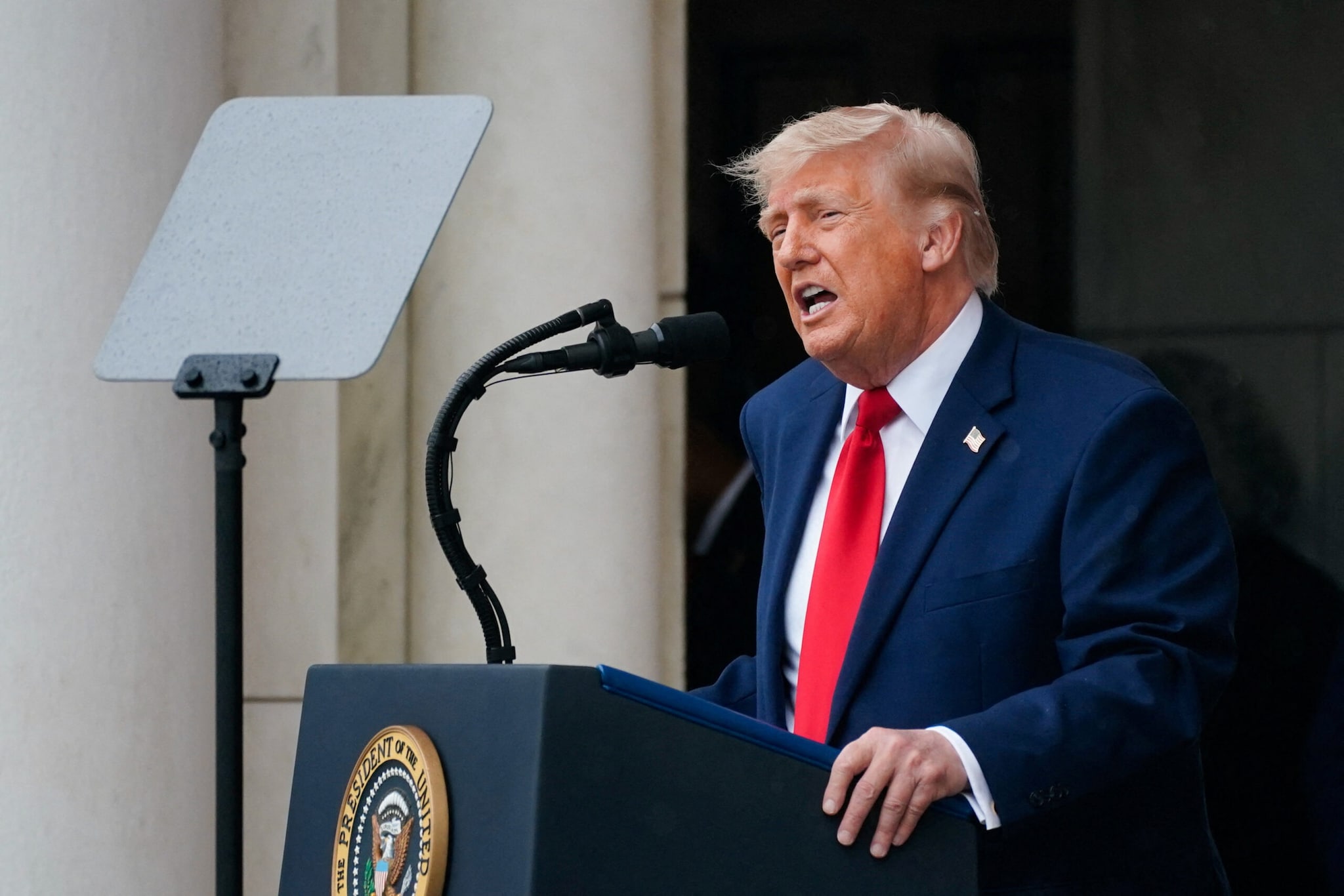
Last week, Senator Flávio Bolsonaro led a quiet, high-level delegation to Washington. He secured face-to-face meetings with Donald Trump and Secretary of State Marco Rubio. The goal was to paint the Lula administration as soft on organized crime and structurally anti-American.
The strategy yielded immediate dividends. Within days of the meetings, the U.S. government announced the terrorist designation of the Primeiro Comando da PCC and Comando Vermelho, the two powerful prison gangs that dominate Brazil's narcotics trade. It was a brilliant domestic political play handed to the Brazilian right on a silver platter. Flávio Bolsonaro immediately used the designation to damage the current government's security record.
The 25 percent tariff proposal followed hours later, shattering a fragile diplomatic truce that Lula and Trump had negotiated during a White House visit in early May.
Lula has reacted with open fury, branding the Bolsonaro brothers "traitors" and "salesmen of the fatherland." He has taken to calling the economic penalties the "TariFlávio." During a bitter public address, Lula turned his fire toward the State Department, explicitly naming Marco Rubio as a "deadly enemy" of Latin America who is actively sabotaging Brazilian sovereignty.
Inside the Electoral Math
The political fallout inside Brazil is scrambling traditional electoral alignments. In previous rounds of trade tension, foreign economic aggression acted as a political shield for Lula. When Washington threatened a 50 percent tariff last year, Lula's nationalist defiance caused a significant bump in his domestic approval ratings. Brazilians historically rally around the flag when foreign powers attempt to dictate domestic policy.
This time, the dynamics are far more complicated. Flávio Bolsonaro finds himself in a defensive crouch, forced to release video statements claiming he asked Trump not to implement the tariffs while simultaneously blaming Lula’s "anti-American discourse" for the economic fallout. The right is walking a fine line, trying to celebrate the U.S. crackdown on domestic drug gangs while distancing themselves from the economic pain that a 25 percent tariff will inflict on domestic industries.
Political Impact of U.S. Actions on Brazil's October Election
┌───────────────────────────────┬───────────────────────────────┐
│ U.S. Measure                  │ Domestic Political Winner     │
├───────────────────────────────┼───────────────────────────────┤
│ Terrorist Designation of Gangs│ Right-Wing Opposition         │
│ (PCC & Comando Vermelho)      │ (Validates security critiques)│
├───────────────────────────────┼───────────────────────────────┤
│ Proposed 25% Section 301      │ Lula Administration (In short │
│ Tariffs on Imports            │ term, via nationalist rally)  │
└───────────────────────────────┴───────────────────────────────┘
The real risk for Lula lies in the medium-term economic fallout. If these recommendations become active duties after the July 6 public hearing, the economic damage to jobs and national income will materialize just as voters head to the polls. A nationalist rally cannot outlast rising unemployment in industrial hubs like São Paulo.
A Dangerous Precedent for Regional Sovereignty
The weaponization of trade policy to influence Latin American elections marks a regression to a darker era of hemispheric diplomacy. It signals that Washington is willing to sacrifice actual economic interests, including a highly lucrative trade surplus, to install ideologically aligned governments in the region.
The actions taken against Brazil this week are part of a broader, synchronized push. The public endorsement of right-wing candidates in neighboring Colombia shows a coordinated effort to roll back the "pink tide" of center-left governments across South America.
By treating Brazil as an adversary rather than a premier economic partner, Washington is accelerating the exact behavior it claims to oppose. Pushing Brazil into a corner does not force compliance. It drives the world’s tenth-largest economy deeper into the orbit of competing global power blocs, strengthening its commitment to alternative economic systems that operate entirely outside the reach of the U.S. dollar and the Office of the United States Trade Representative.