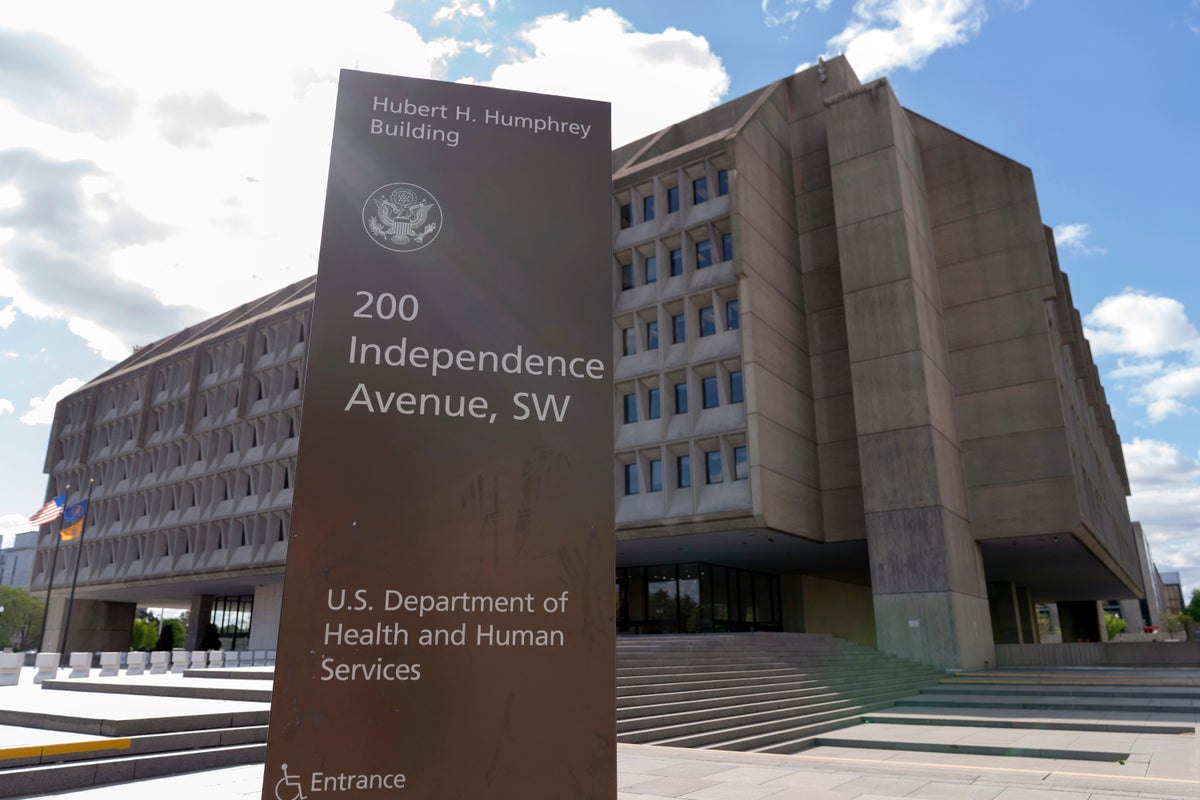
The press releases coming out of Washington read like a techno-thriller. The Trump administration is expanding its use of artificial intelligence to hunt down healthcare fraud, aiming its algorithms at the trillions of dollars flowing through Medicare and Medicaid. The mainstream media is buying it hook, line, and sinker, painting a picture of rogue doctors being brought to justice by all-seeing digital auditors.
It is a beautiful fantasy. It is also entirely wrong.
The lazy consensus assumes that throwing advanced machine learning at billing data will magically extract waste and lower costs. In reality, deploying automated fraud detection at this scale triggers an immediate, aggressive evolutionary arms race. It does not eliminate waste; it merely digitizes and accelerates it.
I have spent years analyzing the collision of enterprise data systems and regulatory compliance. I have watched private insurers blow tens of millions of dollars on the exact same promise, only to watch their overhead skyrocket. Here is the reality the bureaucrats do not understand: when you automate the hunt for fraud, you do not catch the worst criminals. You just force the system to become smarter at hiding the money.
The Overpayment Illusion: Why the Data Lies
The foundational flaw of the government's plan lies in how machine learning algorithms identify anomaly detection. The current narrative assumes a clear binary: a billing claim is either legitimate or it is fraudulent.
The actual mechanics of healthcare billing are nowhere near that clean. The federal code for medical billing, governed by ICD-10 and CPT code sets, is an incomprehensible maze of over 70,000 diagnostic codes and thousands of procedure modifiers.
When an AI model analyzes these claims, it looks for statistical outliers. If a physician performs a specific combination of tests at a rate significantly higher than their regional peers, the system flags them for an audit.
But statistical deviation does not equal criminal intent. Consider what happens in practice:
- The Specialization Trap: A world-class oncologist who handles the most complex, terminal cases will naturally order more expensive, aggressive diagnostics than a general practitioner. To a standard machine learning model, this specialist’s billing profile looks wildly anomalous.
- The Chilling Effect: When the algorithm auto-generates audit demands or freezes payments based on these flags, honest providers face sudden financial strangulation.
- The True Criminals Pivot: Actual organized fraud rings do not write sloppy, anomalous claims. They use the exact same software as the regulators to test their submissions before hitting send. They blend perfectly into the statistical baseline.
By relying on automated flags, the Centers for Medicare & Medicaid Services (CMS) will inevitably catch the sloppy, the overworked, and the highly specialized, while the sophisticated syndicates glide right past the digital dragnet.
Defensive Medicine 2.0: The Rise of Algorithm-Optimization
If you think your medical bills are confusing now, wait until every doctor in America starts practicing medicine to appease a federal algorithm.
When insurers or governments deploy aggressive automated auditing systems, providers do not just accept the financial risk. They adapt. This adaptation manifests as "algorithmic upcoding"—the practice of structuring clinical documentation not for patient care, but to pass the automated screening checks.
Imagine a scenario where a primary care physician treats an elderly patient with multiple chronic conditions. Under a human audit system, the doctor documents the primary complaint and moves on. Under an AI-driven system that triggers automatic audits for understated complexity, the doctor is forced to spend twenty minutes clicking boxes to document every minor variable, artificially inflating the complexity score of the visit to match what the algorithm expects for that demographic.
This creates a massive hidden cost structure:
| The Human Auditor Era | The AI Auditor Era |
|---|---|
| Target: Obvious double-billing and ghost patients. | Target: Statistical deviations in routine care. |
| Provider Response: Hire a billing clerk to file paperwork. | Provider Response: Hire data consultants to reverse-engineer the algorithm. |
| Systemic Result: High friction, slow resolution times. | Systemic Result: Exponential inflation of baseline billing codes. |
The National Health Care Anti-Fraud Association estimates that fraud costs the nation tens of billions annually. What they leave out is that the administrative machinery required to fight this fraud via automation costs even more. Providers will pass the cost of these data consultants, compliance software, and legal defense funds directly down to private patients and taxpayers.
The False Positive Trap and the Private Insurer Blueprint
Proponents of the administration's expanded AI initiative point to the private sector as proof of concept. They claim that commercial insurance giants have successfully used these tools for years to protect their bottom lines.
They are telling half the story.
Private insurers do use automated systems to deny claims at scale, but their goal is fundamentally different from a government agency's goal. A private insurer uses automated denials as a blunt financial instrument to delay payouts and improve quarterly cash flow. They know a certain percentage of providers and patients will simply give up instead of fighting the appeal.
When the federal government adopts this exact playbook for Medicare and Medicaid, the societal consequences are catastrophic. A private insurer can afford to alienate a few doctors. If the federal government systematically freezes payments to rural clinics and safety-net hospitals based on false-positive algorithmic flags, those facilities go bankrupt.
During my time auditing enterprise healthcare platforms, I reviewed a case where an automated compliance tool flagged an entire regional hospital network for "unusual" utilization of specific cardiac monitors. The system automatically halted millions of dollars in reimbursements. It took nine months of manual human review to realize the algorithm had failed to account for a local outbreak of an aggressive viral myocarditis. By the time the funds were released, the network had been forced to cut staff and reduce emergency room capacity.
How to Actually Fix the Fraud Crisis
If the goal is truly to protect taxpayer money and lower healthcare costs, expanding the current AI dragnet is the worst way to do it. The current strategy tries to fix a broken system by adding an expensive, automated layer of surveillance on top of it.
Instead of funding a digital arms race, the administration should strip the complexity that makes fraud possible in the first place.
1. Radical Simplification of the Fee-for-Service Model
The fee-for-service architecture is a playground for exploitation. As long as providers are paid per line-item action, there will always be an incentive to manipulate the codes. Instead of training AI to watch doctors fill out 70,000 different codes, eliminate the codes. Move aggressively toward capitated, flat-rate payment models for chronic disease management where the financial incentive to over-medicate or over-test is completely removed.
2. Mandate Open-Source Regulatory Algorithms
If the government insists on using machine learning to audit claims, the underlying models, training data, and weighting systems must be completely transparent and open to the public. Providers should not have to guess what threshold triggers an audit. By open-sourcing the logic, the government allows honest providers to align their billing perfectly with federal expectations before submission, completely eliminating the costly, retroactive audit cycle.
3. Shift the Penalty Structure to the Software Vendors
Right now, third-party Electronic Health Record (EHR) vendors sell software to hospitals that explicitly promises to "optimize reimbursements"—a polite euphemism for legally maximizing billing codes. When a hospital gets busted for systemic overbilling, the doctor goes to jail, while the software vendor keeps selling the product. If Washington wants to stop automated fraud, it needs to hold the developers of maximization software legally and financially liable for the systemic overbilling their products enable.
The Blind Spot Washington is Ignoring
The obsession with finding the "bad guys" via data analytics blinds policymakers to the biggest driver of healthcare waste: legal, fully documented systemic inefficiency.
An algorithm cannot flag a pharmaceutical company for charging $2,000 for a drug that costs $10 to manufacture if that transaction complies with federal law. An algorithm cannot penalize a hospital for charging $15 for a single sterile gauze pad if that price is embedded in their approved chargemaster data.
By framing the healthcare crisis as a battle against fraudulent actors hidden in the data, the administration successfully deflects attention away from the structural monopolies and broken legislative frameworks that make American healthcare the most expensive on earth. It is a brilliant political distraction. It allows politicians to look tough on crime and high-tech at the same time, all while leaving the underlying gravy train completely untouched.
Stop looking for the ghost in the machine. The problem isn't that people are breaking the rules; the problem is the rules themselves.