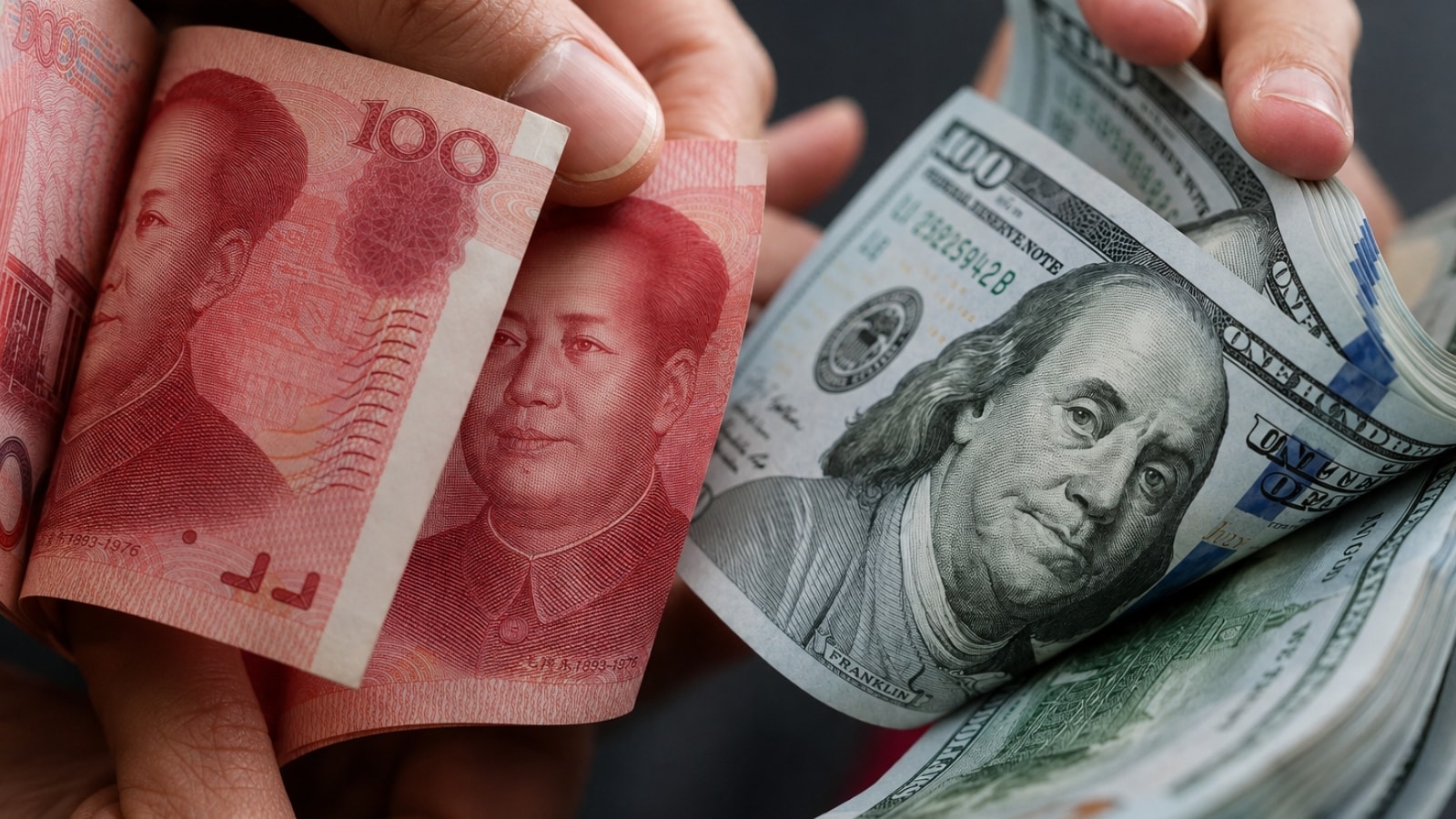
American stock markets are supposed to be about capitalism, transparency, and building wealth. But right now, a massive political storm is brewing over whether certain foreign entities should even have access to American retail investor dollars.
On July 17, 2026, two heavyweight lawmakers threw down a gauntlet that could disrupt billions in investments. Representative John Moolenaar and Senator Rick Scott officially called on the Securities and Exchange Commission to slam the brakes on Chinese companies linked to Beijing's military apparatus. This isn't just standard political grandstanding. It's a targeted strike aimed squarely at the capital flows feeding the People’s Liberation Army.
If you own international index funds or emerging market ETFs, you need to pay close attention. The rules of global finance are changing fast.
The Push to Cut Off Capital Flows
The friction centers on a newly expanded list. In June 2026, the Department of War updated its Section 1260H roster, slapping the "Chinese military company" label on 65 new entities operating directly or indirectly in the US. Moolenaar and Scott are asking SEC Chairman Paul Atkins to use the agency's existing regulatory teeth to stop these firms from raising cash on American soil.
The logic is simple. Why should American retirees and everyday savers inadvertently finance weapons systems or surveillance tech designed by a foreign adversary?
The SEC actually holds significant power here. Under Section 6 of the Exchange Act, national security and investor protection are valid grounds for keeping the markets clean. Lawmakers argue that letting these military-linked operations trade freely compromises both.
What This Means for Your Portfolio
Many people think this is just a problem for big institutions. That's a mistake. The reality hits much closer to home.
Most retail investors don't buy individual Chinese stocks like Alibaba or Tencent directly. Instead, they buy broad index funds. Wall Street asset managers pack these funds with hundreds of foreign equities to achieve diversification.
When a company gets blacklisted, index providers have to scramble. They must purge the offending equities from their portfolios. We saw a messy version of this a few years ago with initial executive orders targeting Chinese military firms. Investors faced sudden trading halts and forced divestments during market downturns. It wasn't pretty.
If the SEC acts on this latest congressional pressure, we can expect a fresh wave of forced selling. Portfolio managers will have to scour their international holdings for the 65 newly designated companies.
The View from Beijing
China isn't staying quiet while Washington tightens the screws. In fact, Beijing has built a massive legal armor across 2025 and early 2026 to strike back.
Just months ago, China’s State Council introduced aggressive counter-sanctions regulations. They explicitly target foreign legal actions that try to exert extraterritorial jurisdiction inside China. If an American bank or insurer complies with US sanctions by freezing a Chinese firm's assets, that bank now faces immediate legal penalties inside China.
It creates an impossible double bind for global financial institutions. Comply with Washington and get crushed by Beijing. Comply with Beijing and get crushed by Washington.
Your Next Steps as an Investor
Don't wait for the SEC to make the first move. Take control of your exposure now.
First, look at your international and emerging market mutual funds. Look beyond the top ten holdings. You want to see how heavily weighted your funds are in Chinese equities, particularly in industrial, tech, or aerospace sectors.
Second, consider shifting toward ex-China emerging market funds if you want to avoid the geopolitical headache entirely. Several major fund managers now offer these products specifically because of this ongoing regulatory whiplash.
The era of easy, borderless capital is officially over. Washington wants a wall around American money, and Beijing is ready to fight back. Make sure your portfolio isn't caught in the crossfire.