At 9:31 AM on a crisp Wednesday morning in November, Arthur Pendelton—a hypothetical sixty-two-year-old retired machinist living outside of Toledo—sat at his kitchen table staring at a glowing tablet screen. His coffee had gone cold an hour ago. For three months, every cable news broadcast and radio commercial had screamed that the midterm elections would decide the fate of the republic, and by extension, the fate of his modest 401(k).
He expected chaos. He expected blood on the trading floor.
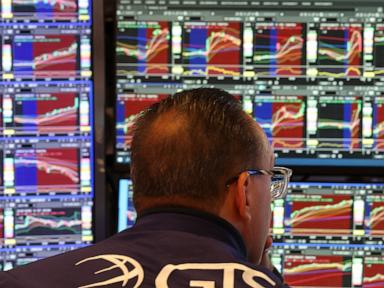
Instead, as the opening bell rang out in Lower Manhattan, the numbers on Arthur’s screen turned a sudden, vibrant shade of green. The S&P 500 surged. The Dow Jones Industrial Average jumped hundreds of points before Arthur could even find his reading glasses.
Breathe.
Just like that, the collective financial anxiety of a nation seemed to evaporate into the cool autumn air. To the casual observer, this post-election rally looked like a triumphant celebration of democracy in action. Analysts on television smiled brightly, pointing to upward-sloping charts as proof that the American economy was roaring back to life.
But the real story is far stranger, and infinitely more cynical, than a simple victory lap.
The Anatomy of a Relief Rally
If you have ever sat in a doctor’s waiting room, tapping your foot against the linoleum while waiting for biopsy results, you already understand the psychology of the stock market in early November.
The human brain—and by extension, the collective algorithmic mind of Wall Street—despises a vacuum. Give an investor bad news, and they can calculate the damage, hedge their bets, and move on. Give an investor uncertainty, and they freeze. Capital retreats into the shadows. Big corporations delay hiring, pause factory expansions, and hoard cash like squirrels before a blizzard.
For months leading up to the midterm elections, the financial markets were trapped in that exact waiting room. Would one party sweep both chambers of Congress, paving the way for aggressive new corporate taxes? Would sweeping regulatory overhauls dismantle the energy or technology sectors? Nobody knew. So, money sat on the sidelines, trembling.
When the ballots were finally counted and the early trading session kicked off, the market did not rally because one political ideology defeated another. It rallied because the waiting was finally over.
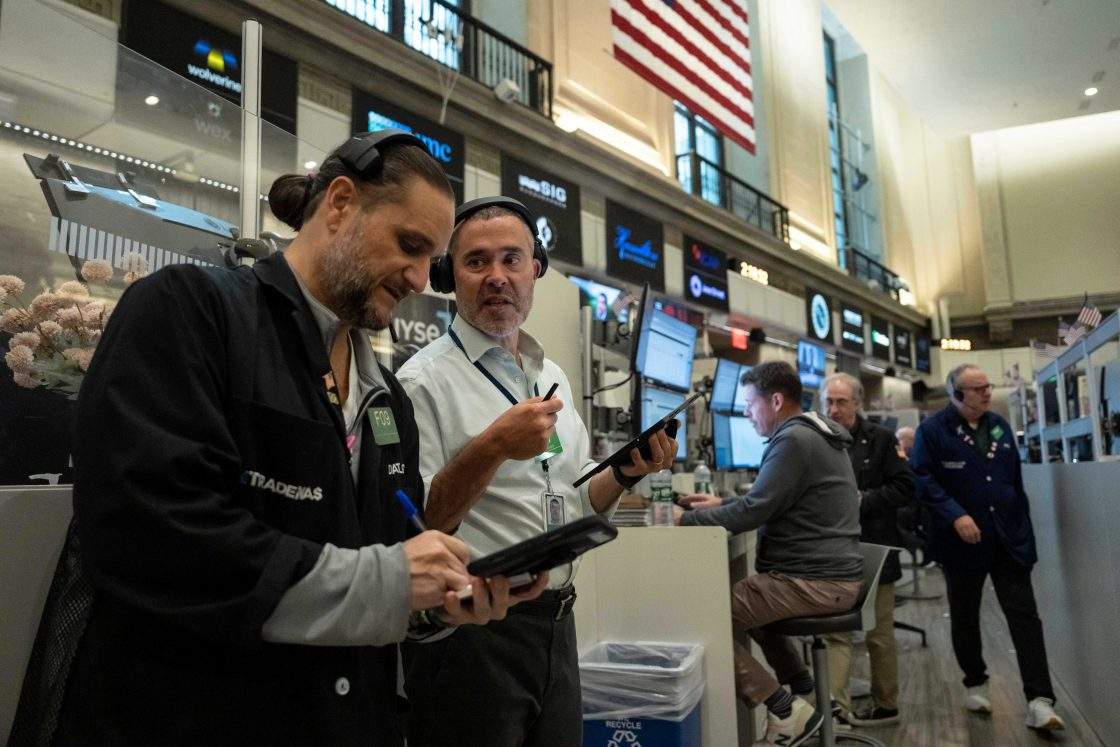
In financial circles, we call this a "relief rally," though that clinical phrase fails to capture the sheer visceral release of tension on a trading desk. Imagine holding your breath underwater for ninety days, your lungs burning, your vision narrowing, and finally breaking the surface. That first desperate gasp of air is what early post-midterm trading actually looks like. The numbers shoot upward not out of pure joy, but out of sheer survival instinct.
Why Gridlock Is Gold on Wall Street
Here is the uncomfortable truth that rarely makes it into campaign speeches. Wall Street does not root for your favorite politician. It roots for a traffic jam.
Historically, when a U.S. midterm election results in a divided government—where the White House and at least one chamber of Congress are controlled by opposing parties—the stock market throws a party. Let us look at the cold, hard math of history, stripped of partisan passion. Since 1950, the S&P 500 has posted positive returns in the twelve months following every single midterm election without exception. Not most of them. All of them.
Think about that statistic for a moment. Through wars, recessions, oil embargoes, and cultural upheavals, the twelve-month window after a midterm vote has been a golden era for equities, averaging gains of roughly fifteen percent.
Why does this happen? Because political gridlock is the ultimate security blanket for big business.
Consider a hypothetical tech executive in Austin or a manufacturing CEO in Ohio. Their greatest nightmare is not a high tax rate; it is a changing tax rate. Businesses build five-year and ten-year plans. When one political party holds total control of Washington, they possess the power to rewrite the rules of the game overnight. Today, green energy gets massive subsidies; tomorrow, those subsidies vanish. Today, mergers are approved; tomorrow, they are blocked by antitrust regulators.
When voters split power down the middle during the midterms, they effectively handcuff Washington. Major legislative swings become nearly impossible. Extreme bills die in committee. The tax code stays put. Regulations freeze in amber.
To a voter frustrated by broken roads or rising healthcare costs, political gridlock feels like a failure of democracy. To an institutional investor managing ten billion dollars in pension funds, political gridlock looks like predictability. And in the high-stakes casino of global finance, predictability is the most valuable currency on earth.
The Invisible Hand on Your Kitchen Table
It is easy to dismiss early trading surges as a game played by wealthy men in tailored suits shouting into phones. I used to think that way myself, back in my twenties, when my entire net worth fit inside a battered leather wallet and the Dow Jones felt as distant as the moons of Jupiter.
Then came 2008, and later, the gut-wrenching volatility of the early 2020s. You learn very quickly that the invisible ripples of Wall Street eventually wash up on your front porch.
Let us return to Arthur in Toledo. He does not own a yacht. He does not trade options on margin. Yet, when the stock market rallies in the wake of a midterm election, the trajectory of Arthur’s quiet retirement shifts in subtle, profound ways.
When equity prices rise, corporate borrowing costs often stabilize. The local manufacturing plant where Arthur’s son works feels confident enough to greenlight a new assembly line, securing overtime hours for the winter. The municipal pension fund that pays Arthur’s former coworkers sees its balance sheet swell, reducing the risk of benefit cuts or local property tax hikes.
Even the psychology of the grocery store aisle changes. Economists call it the "wealth effect." When people open their brokerage apps and see green arrows instead of red ones, they feel a fraction safer. They buy the name-brand coffee. They book the flight to visit their grandkids for Thanksgiving. That tiny spark of consumer confidence fuels the exact corporate earnings that justify the market rally in the first place.
It is a self-fulfilling prophecy written in ticker symbols.
The Traps Hidden Inside the Green Numbers
Still, if you have spent enough time watching markets, you learn to distrust a party that starts too early in the morning.
Early trading—those frantic first few hours after the opening bell—is notoriously emotional. It is driven by overnight futures contracts, knee-jerk algorithmic trading, and retail investors rushing in so they do not miss the boat. I have seen early morning rallies evaporate by lunchtime, leaving overly eager buyers holding the bag while seasoned institutional traders quietly take their profits and head to lunch.
There is a dangerous illusion that happens right after an election. Because the political storm has passed, investors temporarily forget about the other storms gathering on the horizon.
The Federal Reserve does not care who won a Senate seat in Pennsylvania. Inflation does not check party affiliation before raising the price of eggs and diesel fuel. Global supply chains, geopolitical conflicts in Eastern Europe or the South China Sea, and the slow, grinding reality of corporate debt do not magically vanish because the yard signs came down.
When the initial euphoria of the midterm rally fades—usually within a few days or weeks—the market has to sober up. Traders put down the champagne and pick up the balance sheets again. They look at consumer spending data. They listen closely to every syllable uttered by the Federal Reserve Chair. If interest rates remain stubbornly high, or if corporate profit margins are shrinking under the weight of labor costs, gravity eventually reasserts itself.
Understanding this rhythm is what separates terrified spectators from calm participants. The post-midterm surge is real, backed by decades of historical precedent, yet it is never a guarantee of smooth sailing forever. It is a tailwind, not an autopilot.
The Silence After the Bell
By 4:00 PM in New York, the closing bell rings. The shouting stops. The confetti of digital data settles into neat, static columns on financial websites across the world.
Back in Toledo, Arthur closes his tablet. He walks over to the kitchen sink, pours out the cold coffee, and brews a fresh pot. Outside his window, the last yellow leaves of November are clinging stubbornly to the oak trees against a brisk wind.
The pundits on television are already pivoting, arguing furiously about what today’s election results mean for the presidential race two years from now. They are drawing lines on maps, dissecting demographics, and predicting doom or glory for their chosen tribes.
Arthur ignores them. He knows something that the screaming heads on cable news will never admit. Tomorrow morning, regardless of who sits in the halls of Congress, millions of people will wake up, commute to work, build things, invent software, ship freight, and buy groceries.
The stock market did not rally today because politicians saved the country. It rallied because the country, messy and divided as it is, quietly decided to get back to work.