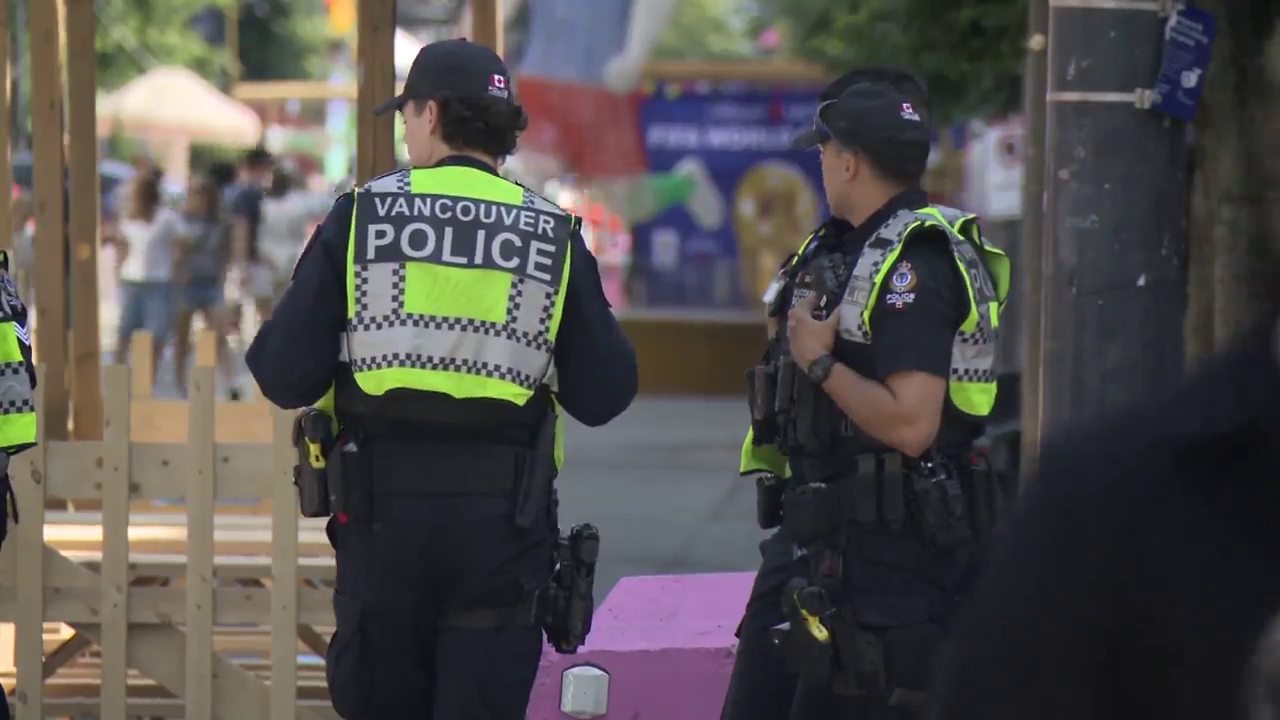
The neon lights are bright, the crowds are roaring, and the streets look cleaner than they have in years. Vancouver is in the middle of its World Cup spotlight, playing host to the global soccer elite and thousands of international fans. For a brief moment, the Granville Strip looks like the world-class entertainment destination city planners always dreamed it would be.
But talk to any business owner, local resident, or service worker on Granville Street, and you will hear a very different story. Beneath the festive atmosphere lies a deep, simmering anxiety. Everyone is asking the same question. What happens when the cameras pack up, the extra security patrols vanish, and the tourists go home?
There is a widespread fear that the Granville Strip will immediately slide back into intense street disorder and open drug use. It is a valid fear. For years, this stretch of downtown Vancouver has struggled with crime, public intoxication, and the visible, tragic fallout of a dual housing and toxic drug crisis. The sudden cleanup we are seeing right now is a temporary illusion. If we do not address the root causes of this decay, the post-tournament reality will hit Granville Street like a freight train.
The Illusion of a Clean Entertainment District
Walk down Granville Street during a major international event and you see a heavy hand of management. There are extra police officers on every corner. Street sweepers run on overdrive. Private security guards stand watch outside retail spaces, and temporary barricades keep the flow of foot traffic orderly.
It is a classic playbook. Cities hosting mega-events always try to present a sanitized, idealized version of themselves. They sweep the visible signs of poverty, addiction, and mental health struggles out of sight.
This temporary containment creates a false sense of security. It makes casual visitors think the Granville Strip has suddenly turned a corner. But you cannot sweep systemic human suffering away permanently. The people who normally struggle on these streets have not disappeared. They have simply been pushed into the shadows, into nearby alleys, or into neighboring districts like the Downtown Eastside.
When the World Cup ends, the funding for this massive security and cleaning apparatus will dry up. The extra policing contracts will expire. The city will scale back its emergency operational budgets. When that security blanket is pulled back, the underlying social issues will rush right back to fill the void.
Why the Granville Strip is Particularly Vulnerable
To understand why Granville Street is so susceptible to rapid decline, you have to look at its unique geography and design. Unlike other parts of Vancouver, the Granville Strip is a dense concentration of nightclubs, bars, cheap food joints, and single-room occupancy hotels. It is a collision of two entirely different worlds.
During the day, it is a transit corridor and a struggling retail zone. At night, it transforms into a loud, chaotic party scene. This mix has always been volatile. When you combine thousands of intoxicated partygoers with vulnerable individuals dealing with severe trauma, addiction, and homelessness, conflict is inevitable.
Local business owners have been sounding the alarm for years. They talk about broken windows, staff members getting threatened, and vestibules being used as open toilets or injection sites. Many businesses have closed their doors for good, tired of paying sky-high commercial property taxes while dealing with daily property damage.
The province tried to pivot away from its controversial drug decrim pilot by banning public drug consumption in places like parks, transit hubs, and commercial doorways. But enforcement on a crowded street like Granville is incredibly difficult. Without long-term housing and dedicated consumption sites, people simply move from one doorway to the next. The World Cup has masked this friction, but it has not resolved it.
The Failed Strategy of Temporary Displacement
Historically, major events do not solve street issues. They actually make them worse in the long run. When police displace marginalized populations to clear space for tourists, they break the fragile connections those individuals have to social services, community workers, and clean drug supply networks.
We saw this during the 2010 Winter Olympics. The city cleaned up its act for a few weeks, but the moment the closing ceremonies ended, the systemic issues returned with a vengeance.
When vulnerable people are forced out of their familiar environments, they lose access to peer support and harm reduction resources. This leads to isolated drug use, which increases the risk of fatal overdoses. It also fuels desperation. When the temporary clampdown ends, the return to these streets is often marked by increased hostility and survival-driven crime.
Relying on police to act as social workers or street cleaners is a failed strategy. The Vancouver Police Department has stated repeatedly that they cannot arrest their way out of a public health and housing crisis. Yet, the city continues to rely on increased police visibility as its primary tool to keep Granville Street looking presentable for international visitors.
What Real Recovery Looks Like
If Vancouver wants to save the Granville Strip from a post-tournament collapse, it has to stop treating street disorder as a branding problem. It is a structural problem.
We need to talk about real, unglamorous solutions that extend far beyond the final whistle of a soccer match.
1. Permanent Supportive Housing and Services
We cannot expect people to stop sleeping or using drugs in commercial doorways if they have nowhere else to go. The lack of low-income housing and mental health beds in Vancouver is a policy failure. The city and province must invest in long-term, supportive housing facilities that offer on-site medical care, addiction counseling, and social services.
2. Dedicated Harm Reduction and Consumption Sites
People use drugs openly on Granville Street because they lack safe, indoor spaces to do so. Setting up small, integrated health clinics with supervised consumption spaces nearby can take the activity off the sidewalks. This keeps users safe while reducing the public disorder that frustrates local businesses and visitors.
3. Active Street Animation and Diverse Businesses
Granville Street is currently too reliant on the late-night bar crowd. When the bars close at 2:00 AM or 3:00 AM, the street becomes a chaotic vacuum. The city needs to zoning-incentivize daytime retail, cultural spaces, and diverse dining options. A street that is busy and active throughout the entire day is naturally safer and self-policing.
4. Community-Led Safety Initiatives
We need to look at alternatives to traditional policing. Peer-led street outreach teams, like those operating in other parts of Vancouver, can de-escalate conflicts, assist people in crisis, and clean up drug paraphernalia without the heavy-handed presence of armed officers. This builds trust and keeps the peace far more effectively than constant police sweeps.
The Choice Ahead for Vancouver
The post-World Cup period will be a defining moment for Vancouver's downtown core. We can either pretend that the temporary clean-up was a permanent success and act surprised when the disorder returns, or we can use this moment of heightened attention to demand real change.
Business associations, local residents, and advocacy groups need to push municipal and provincial leaders for immediate, sustained funding for Granville Street. We need commitments that last years, not just for the duration of a tournament.
If you are a resident or business owner, now is the time to write to your city councilors. Demand that the post-event transition plan includes dedicated social service funding, not just a return to the pre-event status quo. We have shown that we have the resources and the organizational will to clean up the city for international visitors. It is time to show that same level of commitment to the people who actually live here.