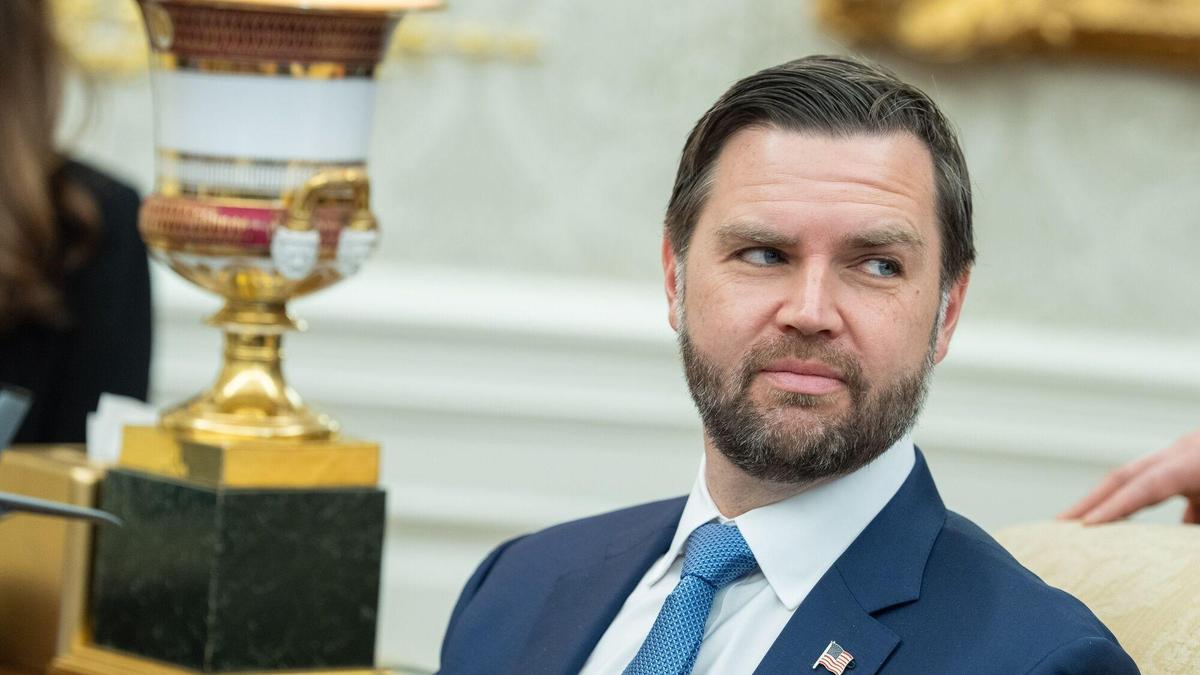
The arrival of Vice President J.D. Vance in Pakistan marks a desperate pivot in American diplomacy. While the official itinerary focuses on bilateral trade and regional security, the real mission is far more volatile. Vance is there to open a backchannel to Tehran. With a fragile ceasefire in the Middle East threatening to dissolve into a regional conflagration, the United States is using Islamabad as a neutral ground to prevent a total collapse of order. This is not a courtesy call. It is a high-stakes attempt to salvage a peace that currently exists only on paper.
The choice of Pakistan as the venue reveals the narrowing options for the White House. Traditional intermediaries like Qatar or Oman have reached the limit of their influence, or perhaps their patience. Pakistan maintains a complex, often strained, but functional relationship with Iran, sharing a long border and a mutual interest in preventing the total destabilization of Southwest Asia. By sending the Vice President, the administration is signaling that they are willing to bypass traditional diplomatic bureaucracy to speak directly to the power players in the Islamic Revolutionary Guard Corps.
The Ceasefire Illusion
The current cessation of hostilities is a masterpiece of political theater. On the ground, the reality is far messier. Both sides are using this pause to rearm, reposition, and refine their targeting lists. Every day the guns stay silent is a day the logistics of the next phase of the war are being perfected. Washington knows this. Tehran knows this. The goal of the Vance mission is not to achieve a lasting brotherhood between enemies, but to establish a "red line" framework that prevents a miscalculation from turning a localized conflict into a global economic disaster.
Reliable intelligence suggests that the Iranian leadership is divided. The pragmatists see the current stalemate as an opportunity to secure sanctions relief and stabilize a cratering economy. The hardliners, however, view any concession as a betrayal of their ideological mandate. Vance’s presence in Islamabad is designed to give the pragmatists enough diplomatic "meat" to bring back to the Supreme Leader, proving that the U.S. is serious about a structured de-escalation.
Why Islamabad Matters Now
Pakistan is not just a passive host. The government in Islamabad is walking a razor’s edge. They need American financial support and military hardware to manage their own internal security crises and a struggling economy. At the same time, they cannot afford to alienate their neighbor to the west. If Iran descends into total chaos or if the war expands, Pakistan faces a massive influx of refugees and the potential for sectarian violence to bleed across the border.
The Pakistani military establishment, which traditionally holds the keys to the country’s foreign policy, is facilitating these talks because they see themselves as the only adult in the room. They are providing the physical security and the deniability required for such a sensitive encounter. If the talks fail, the U.S. can claim it was merely a regional visit. If they succeed, Pakistan cements its role as an indispensable global mediator.
The Shadow of Energy Security
At the heart of these discussions lies the Strait of Hormuz. Any escalation that shuts down this transit point would send oil prices into a vertical climb, shattering the fragile recovery of the Western economy. Vance is likely carrying a specific set of warnings regarding the maritime commons. The U.S. Navy has increased its presence, but the goal is to avoid having to use that force.
The Iranians have long used the threat of maritime disruption as their ultimate "asymmetric" weapon. Washington wants to trade a degree of regional autonomy for a guarantee that the global energy supply remains untouched. It is a cynical bargain, but in the world of realpolitik, it is the only one currently on the table.
The Risks of Personal Diplomacy
Sending a Vice President instead of a career diplomat is a gamble. It puts the prestige of the executive branch on the line. If Vance returns with nothing but a photo op and a vague communiqué, it will be seen as a sign of American weakness. It would embolden the very hardliners he is trying to sideline.
Furthermore, Vance represents a specific brand of American populism that is often skeptical of foreign entanglements. His involvement suggests a shift toward a more transactional foreign policy. He is not there to talk about democratic values or human rights. He is there to talk about the bottom line: what will it take for Iran to stay within its borders and stop the proxy attacks?
Countering the Proxy Network
The ceasefire is most vulnerable at its edges. Groups like Hezbollah and the Houthis operate with a degree of autonomy that makes any central agreement fragile. Tehran often claims it cannot control these "independent" actors, a claim Washington finds convenient to ignore when it wants to talk, and impossible to believe when a missile hits a ship.
Vance’s mission includes a demand for concrete evidence that Iran is reining in these groups. This is the sticking point. For Iran, these proxies are their primary source of leverage. Giving them up without a massive concession—such as the total withdrawal of U.S. forces from certain regional bases—is a non-starter for the IRGC.
A Fragile Path Forward
The success of these talks will not be measured in signed treaties. It will be measured in the absence of news. If the next six months pass without a major escalation, the Islamabad mission will have done its job. We are looking for small, incremental steps: a prisoner exchange, a slight easing of certain specific sanctions, or a noticeable drop in the frequency of drone attacks.
The danger remains that both sides are simply playing for time. The U.S. wants to get through an election cycle without a massive spike in gas prices. Iran wants to advance its nuclear capabilities while the world is distracted by the kinetic war. In this environment, a "shaky ceasefire" is exactly what both sides need to keep their respective audiences satisfied while they prepare for the inevitable shift in the geopolitical weather.
The Vice President is currently sitting in a heavily fortified compound in Islamabad, likely speaking to intermediaries who will relay his words to Tehran within the hour. The world waits to see if this unconventional channel can hold back the tide of a much larger war. It is a moment of extreme tension, where a single misunderstood phrase or a poorly timed border skirmish could render the entire trip a historical footnote in a much darker story.
The mission in Pakistan is a reminder that in modern warfare, the most important battles are often fought in quiet rooms far from the front lines. The outcomes of these meetings will dictate the price of fuel in the Midwest and the survival of cities in the Levant. There is no margin for error.
If the administration cannot turn this backchannel into a functioning safety valve, the ceasefire will not just remain shaky; it will collapse, taking the regional economy and the hope for a stable Middle East with it. The clock is ticking in Islamabad, and the silence from the meeting rooms is the most telling sign of how difficult these negotiations truly are.