Dust and Memory
Stone remembers what maps forget.
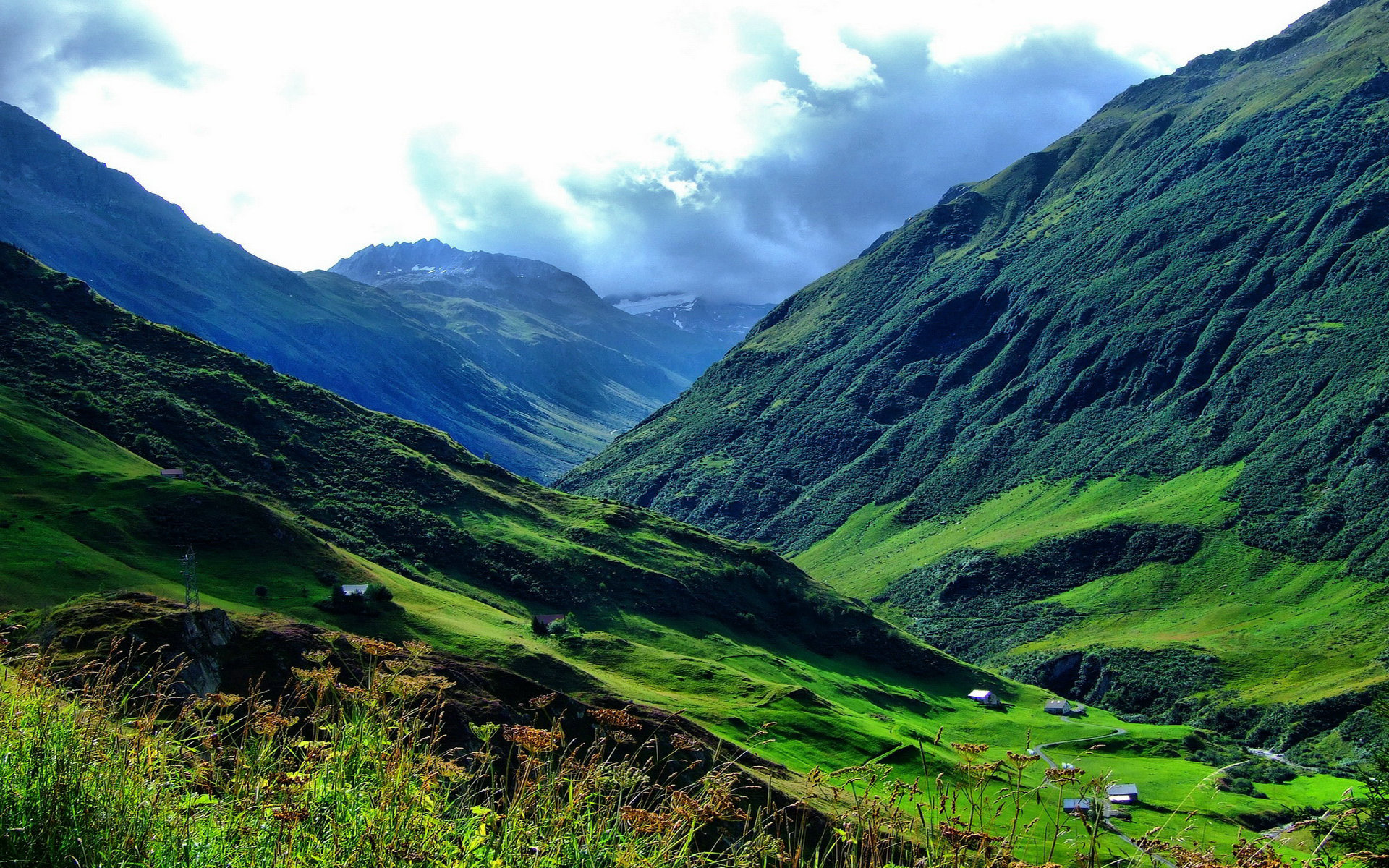
If you stand in the Gyirong Valley at dusk, long after the heavy transport trucks have settled their airbrakes and the low hum of diesel generators fades against the granite cliffs, the air smells of old snow and crushed wild thyme. It is a sharp, clean scent that cuts right through the chest.
Thirty years ago, this place felt like the edge of everything. I remember stepping out of a Land Cruiser with grit grinding between my teeth, looking up at walls of rock that seemed to scrape the grey belly of the sky. Back then, Gyirong was a ghost town wrapped in prayer flags. A scattering of whitewashed stone houses huddled against the Himalayan wind, half-buried under debris from ancient landslides. The trails were carved by hooves, not wheels. If a mule slipped on the narrow goat tracks hugging the precipice, whatever it was carrying simply vanished into the roaring, white-water void of the Trisuli river far below.
People lived here, yes. Stubborn, quiet people whose lungs were forged from thin air and whose faces were crosshatched by sun and frost. They grew barley in postage-stamp terraces and traded salt for tea, moving at the speed of a walking heartbeat.
Then came the morning of April 25, 2015.
The earth did not just shake; it groaned, heaved, and spat. In seconds, the Gorkha earthquake rearranged the architecture of the roof of the world. Mountainsides dissolved into grey avalanches. Entire hamlets were erased before residents could even grab their coats. The border port—the fragile, hard-won artery connecting the high plateau of Tibet to the lush green foothills of Nepal—was crushed beneath millions of tons of sliding slate and pulverized stone.
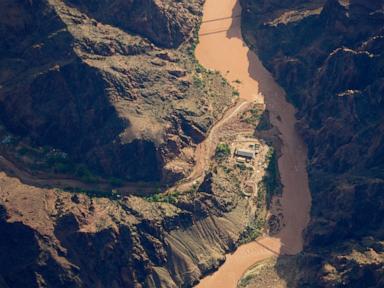
When satellite images emerged weeks later, meteorologists and engineers stared at the screens in disbelief. Where a customs yard, warehouses, and access roads had stood, there was only a jagged scar of raw, bleeding earth. It looked like the building never existed. Nature had reclaimed her territory with terrifying efficiency, wiping the slate clean in less time than it takes to boil a pot of butter tea.
The Engineering of Defiance
For a long time, the official line was simple: abandon the pass. Let the mountains take back what they always owned.
Logistics experts crunched the numbers and shook their heads. Building a modern port of entry through a seismic fracture zone is a fool's errand. Every bridge you anchor to a cliff face is a hostage waiting to be taken by the next monsoon or tremor. The cost is astronomical. The danger is permanent.
And yet, commerce has a stubborn pulse. It refuses to die quietly in the dark.
Consider what happens when you redraw a map not with ink, but with steel and concrete. By 2017, heavy machinery began clawing its way back up the ruined gorges of Gyirong. This is where the narrative shifts from a natural disaster to an exercise in sheer human stubbornness.
(Note: To understand the transformation, visualize a canyon so narrow that the sun only visits for two hours a day. Now imagine dropping multi-ton tunneling rigs, asphalt pavers, and steel-reinforced retaining walls into that vertical slit.)
Engineers didn't just rebuild the old port; they outsmarted the topography. They bored tunnels straight through unstable ridges rather than hugging landslide-prone cliffs. They erected colossal gabion walls—gigantic wire cages stuffed with heavy river stones—to absorb the kinetic fury of future rockfalls. They built high-span bridges that leap clear across deep ravines, leaving the raging torrents beneath untouched.
The before-and-after imagery is startling not because of how it looks today, but because of what it hides. The modern Gyirong Port features sprawling container yards, high-tech customs inspection hubs, and climate-controlled warehouses that look entirely out of place in a Himalayan wilderness. They look like a slice of a sleek coastal shipping terminal teleported straight into an altitude of twenty-seven hundred meters.
Yet beneath the reinforced concrete pads and fiber-optic cables lies the same brutal geology. The mountains are still growing upwards by millimeters every year. The tectonic plates are still grinding their teeth against one another deep beneath the crust. Every truck driver clearing customs at the gate knows the invisible stakes. They are driving through a gorge that has tried to swallow human ambition a thousand times before.
The Human Current
Tenzin taps his steering wheel, staring up at the electronic clearance board above the inspection bay.
He is a hypothetical composite of the drivers who now ply this route daily, but his calloused hands and tired eyes belong to real men I have shared thermoses of salted tea with. He drives a massive, three-axle freighter loaded with lightweight consumer electronics and specialized industrial components manufactured in eastern hubs, bound for Kathmandu and beyond.
"Before the upgrade," Tenzin would tell you, his voice pitched over the low idle of a six-cylinder diesel, "a single monsoon washout could trap us here for three weeks. We’d sleep in the cab, boiling ditch water, watching our cargo rot in the back. You’d pray for the road to open, but you knew the mountain didn't care about your delivery schedule."
Now, the transit is measured in hours instead of weeks. The Gyirong Border Port handles millions of dollars in bilateral trade, transforming a forgotten backwater into a vital terrestrial bridge between two rising economic giants.
Walk through the modern commercial zone today, and you hear a chaotic symphony of languages. Nepali traders haggling over wholesale prices, Tibetan porters sharing laughter over smartphones, customs officials reviewing digital manifests on tablets, and the constant, rhythmic thrum of heavy logistics.
It feels permanent. It feels invincible.
Until the wind howls down the gorge at midnight, rattling the corrugated iron roofs and reminding everyone in the valley that we are merely guests here. The concrete walls are thick, the steel beams are deep, and the clearance systems are state-of-the-art, but the mountain always has the final vote.
The transformation of Gyirong is a monument to human defiance, an intricate dance between respecting a lethal landscape and refusing to be beaten by it. The port looks like it has been anchored to the earth forever. But if you listen closely to the wind whistling through the high steel truss bridges, you can still hear the stone whispering to the sky, waiting for its next turn.