You can't just slap a nostalgic jazz track onto your brand's video and hope nobody notices. Many content creators, corporate marketers, and even government agencies operate under the delusion that classic tunes are free game for digital content. They aren't.
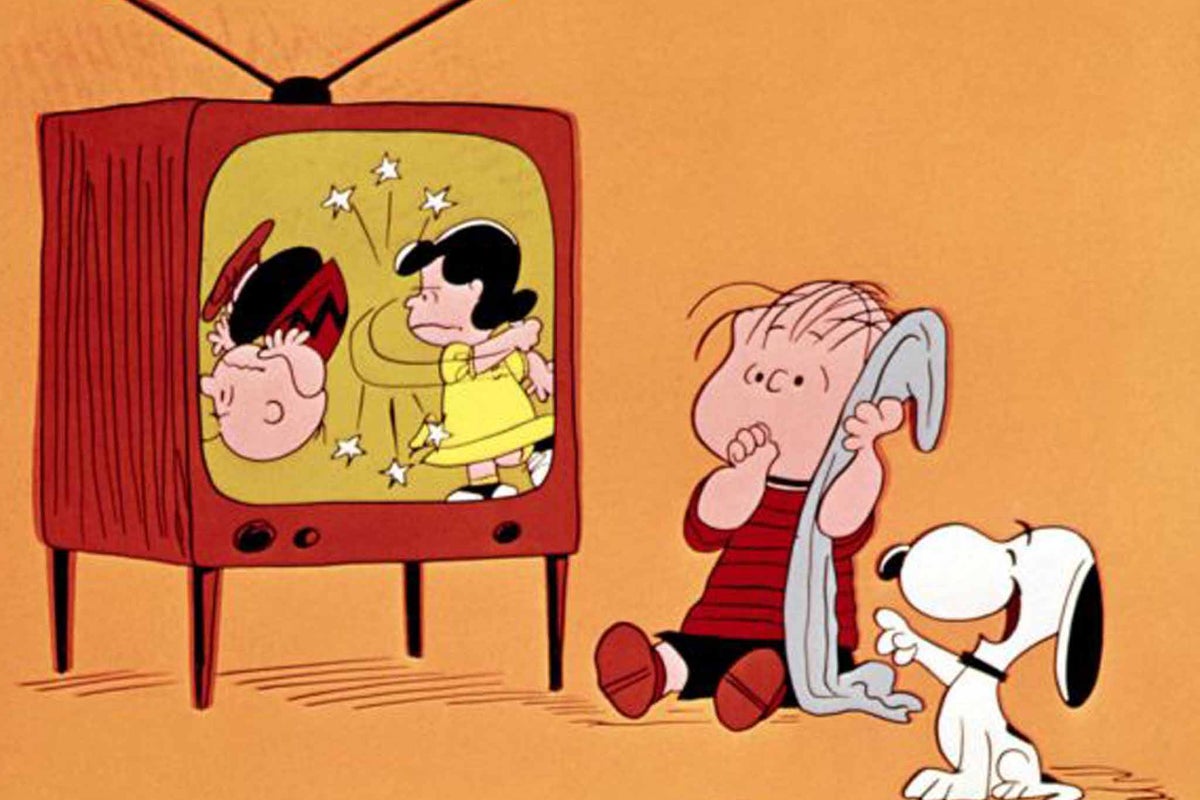
Lee Mendelson Film Productions just sent a massive wake-up call to the entire internet. The company owns the rights to the music from A Charlie Brown Christmas and other iconic Peanuts television specials. They just filed four major federal lawsuits in New York and Washington, D.C. The targets? A video game publisher, an auction house, a retail belt manufacturer, and the United States government itself. Building on this theme, you can also read: Why This British Drone Killer Startup Reached a 3.4 Billion Valuation So Fast.
The core issue is simple. Entities are treating iconic cultural assets like public domain background tracks for social media posts. If you think your organization is immune to copyright enforcement because you are just posting a casual holiday greeting or promoting a product on Instagram, you are completely wrong.
The Charlie Brown Copyright Crackdown
This isn't a minor disagreement. It is a coordinated legal campaign against what the plaintiff's attorney, Marc Jacobson, describes as an intolerable digital glut of unfair music use. The production company is drawing a hard line in the sand regarding Vince Guaraldi’s legendary jazz compositions. Analysts at CNBC have also weighed in on this trend.
The most shocking defendant on the list is the U.S. Department of the Interior. The federal lawsuit alleges the government agency used Guaraldi's distinct arrangement of O Tannenbaum from the 1965 holiday special in a digital holiday card posted to social media without obtaining a license. When the federal government gets hit with a copyright infringement claim over a holiday tweet, it means absolutely nobody is flying under the radar.
The corporate defendants face equally aggressive claims. Heritage Auctions allegedly used Linus and Lucy—the definitive Peanuts theme song—to promote an auction of collectibles on Facebook and Instagram. Buckle-Down Inc., a company that actually manufactures licensed Peanuts themed belts, got sued for using the music in unauthorized social media posts. Even having a merchandise license doesn't mean you automatically own the music rights.
The largest financial target is GameMill Entertainment. The suit claims their 2025 video game, Snoopy & The Great Mystery Club, used copycat musical compositions specifically engineered to mimic Guaraldi's original works like Skating and Linus and Lucy. The production company is demanding at least $300,000 in damages from the game publisher alone, proving that sound-alike tracks can get you into just as much trouble as ripping the original file.
Why Social Media Content Isn't Safe from Lawsuits
Many business owners mistakenly believe that short social media clips fall under fair use. They think that because a video is only fifteen seconds long, or because it's just a holiday greeting, copyright laws don't apply. That is a massive legal mistake.
Fair use is a highly restrictive defense, not an automatic shield. Commercial entities using copyrighted music to drive engagement, sell merchandise, or boost brand awareness are almost never protected by fair use guidelines. The law views these posts as advertisements.
When you use an iconic song like Linus and Lucy to promote an auction or show off a product line, you are leveraging someone else's intellectual property to make your brand look good. Lee Mendelson Film Productions is seeking immediate injunctions to stop these tracks from being used, alongside hefty financial penalties.
The Sound Alike Trap
The case against GameMill Entertainment highlights a critical trap that catches many content creators and developers. You cannot simply hire a composer to change a few notes of a famous song and call it original.
If the new composition is substantially similar and explicitly intended to evoke the original copyrighted work, you are entering dangerous legal territory. The music in Snoopy & The Great Mystery Club was clearly meant to make players think of Vince Guaraldi's jazz genius. The plaintiffs recognized the tactic immediately and added it to their litigation sweep.
How to Protect Your Brand from Music Copyright Suits
If you run a business or manage digital media assets, you need to audit your content workflow immediately. The era of loose enforcement on social platforms is officially over.
First, stop relying on the built-in audio libraries of apps like Instagram and TikTok for corporate or commercial accounts. Those commercial audio libraries have completely different licensing terms than personal accounts. Just because a song is trending on the platform doesn't mean your business has the legal right to use it in a promotional post.
Second, understand the limits of your licensing agreements. If you secure a license to use a character's likeness on a physical product—like a belt or a t-shirt—that contract does not grant you the right to use the television show's theme song in your digital marketing campaigns. Intellectual property rights are heavily siloed. You must clear the master recording rights and the publishing rights separately for every piece of media you produce.
Third, invest in legitimate commercial stock music platforms or commission completely original work that does not mimic protected compositions. Ensure your contracts explicitly state that you own or have fully licensed the rights for worldwide digital distribution across all social channels.
The Department of the Interior and major corporations are currently learning this lesson the hard way in federal court. Don't wait for a process server to land on your doorstep before you start taking music licensing seriously. Clean up your digital audio footprint today.