Imagine sitting in a cramped economy seat halfway across the Pacific, scrolling through downloaded movies, only for a flight attendant to tap your shoulder. They tell you your destination country just canceled your permission to enter while you are literally thirty thousand feet in the air.
It sounds like a bad movie plot. But for one family traveling from Singapore, it became an absolute nightmare.
A traveler recently shared an astonishing ordeal online regarding his mother-in-law's US visa. According to his account, her B1/B2 tourist visa was revoked midflight because of a minor two-day overstay during a previous visit years ago. She was supposedly packed onto a return flight the moment she touched down.
People panic when they hear stories like this. They assume border authorities possess a magical, real-time tracking system that flags minor infractions mid-journey and remotely zaps travel documents into digital dust. But immigration reality is far more nuanced, messy, and stressful than viral forum posts suggest.
Let's break down what actually happens behind the scenes of US visa revocations, why airlines play a massive role in these situations, and how you can protect your relatives from getting stranded internationally.
The Brutal Reality of Automated Border Screening
Consular databases and Customs and Border Protection systems talk to each other constantly. When an airline transmits its passenger manifest before takeoff, advanced vetting algorithms run every name against multiple security databases.
If a passenger has an active flag on their profile, the system alerts authorities. But can a visa genuinely get yanked while the plane is flying over the ocean?
Technically, yes. The Department of State holds the legal authority to revoke a visa at any time, for almost any reason, without prior notice. You aren't guaranteed a hearing. You aren't given a chance to explain yourself while airborne.
Yet, historical overstays rarely trigger automated midair cancellations unless specific aggravating factors exist. A mere two-day overstay from a decade ago usually results in a notation or a secondary screening referral upon arrival, not an immediate midflight digital execution—unless that overstay triggered a statutory revocation under specific immigration laws.
When someone overstays a visa by even a single day, the visa automatically voids itself under immigration law. Travelers often miss this detail. They think they fixed the problem because they left quietly and weren't stopped at the airport gate on departure.
They are dead wrong.
Why Minor Overstays Come Back to Haunt You
The moment you overstay your authorized stay in the United States, your visa dies. It does not matter if it was by two days, two weeks, or two months. The legal consequence is immediate.
Travelers assume US immigration officers operate on a sliding scale of forgiveness. They think a tiny infraction gets ignored.
It doesn't.
Consular officers back home or automated screening tools pick up these discrepancies during routine re-evaluations or when a new visa application or travel authorization is processed. If your relative visited the US last year, overstayed by forty-eight hours due to a delayed flight or sudden illness, and never formally cleared up the record with a waiver or a new visa interview, that ghost of an overstay remains attached to their passport number.
Airlines carry heavy financial penalties if they transport inadmissible passengers to US soil. If a carrier's internal system or a last-minute government transmission flags an invalid visa while the flight is en route, airlines will often coordinate with destination authorities to ensure the passenger is turned around immediately upon landing to avoid massive fines.
This explains why passengers get sent back instantly. The airline wants to minimize its own liability.
How to Check Your Visa Status Before Flying
Never assume your travel documents are pristine just because a physical visa sticker looks valid in your passport. US visas feature expiration dates printed on the foil, but those dates become entirely meaningless the second an immigration rule is broken.
You need to verify your status before buying expensive long-haul plane tickets.
- Check your historical travel entries through the official Customs and Border Protection online portal to view your arrival and departure history. Look for any discrepancies in departure dates.
- Review the exact wording of your visa category. Tourist visas demand strict adherence to permitted durations.
- Consult an immigration attorney if there is any ambiguity regarding a past trip where your departure was delayed.
Do not rely on informal advice from travel forums or ticket agents. Airlines care about getting you on the plane, but they are not immigration law firms. They will let you board if their automated scanner reads a barcode, leaving you vulnerable to the discretion of border agents thousands of miles away.
Protecting Older Family Members on Long Journeys
Sponsoring parents or in-laws for international travel brings unique logistical hurdles. Older travelers often struggle to articulate their travel history if questioned by foreign officials.
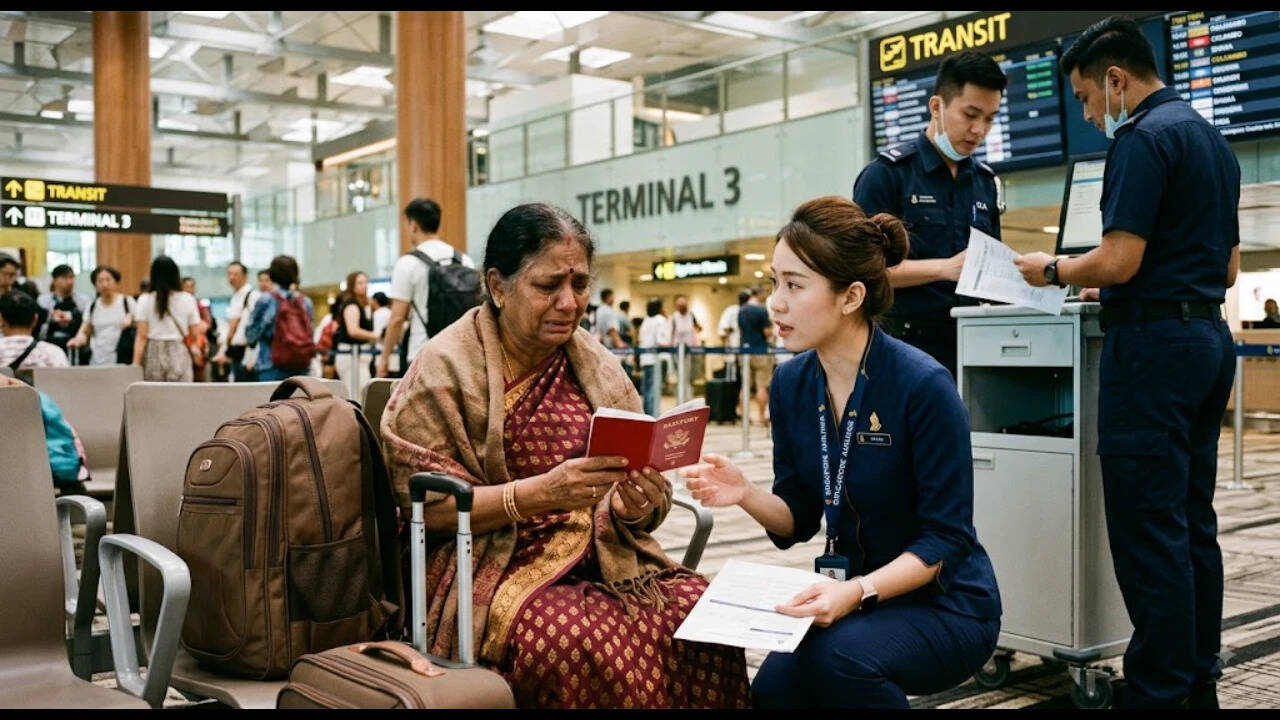
If your relative has a complicated travel past, do not send them on a complex multi-leg itinerary without preparation. If a traveler gets flagged during a layover in a transit hub like Singapore, Doha, or Frankfurt, local airport staff will handle their repatriation based on direct instructions from US carriers or federal agencies.
Pack physical printouts of everything. Keep copies of previous return boarding passes, medical notes if a past overstay was health-related, and any correspondence with embassies. While digital files are nice, waving a physical piece of paper can sometimes stall a confused gate agent long enough to clarify a misunderstanding.
Verify whether your relatives need electronic travel authorizations alongside traditional visas, depending on their transit route. A surprising number of travelers get blocked not by the destination country, but by a strict transit country along the way.
What to Do If the Worst Happens
If your family member gets detained or sent back from an international airport, standard customer service channels will fail you. Airline customer desks cannot override a federal border control directive.
You need to contact the local embassy or consulate immediately. File an inquiry through official legal channels to determine the exact reason for the revocation.
Most importantly, stop guessing about why it happened. Vague rumors about minor overstays often mask larger database errors, passport number duplications, or identity mix-ups with individuals who share similar names.
Clean up the paperwork before booking the next trip. Fix the record at a local embassy interview rather than gambling thousands of dollars on another flight. Take control of the documentation today so you never have to wonder if your loved one is about to be turned around midflight.