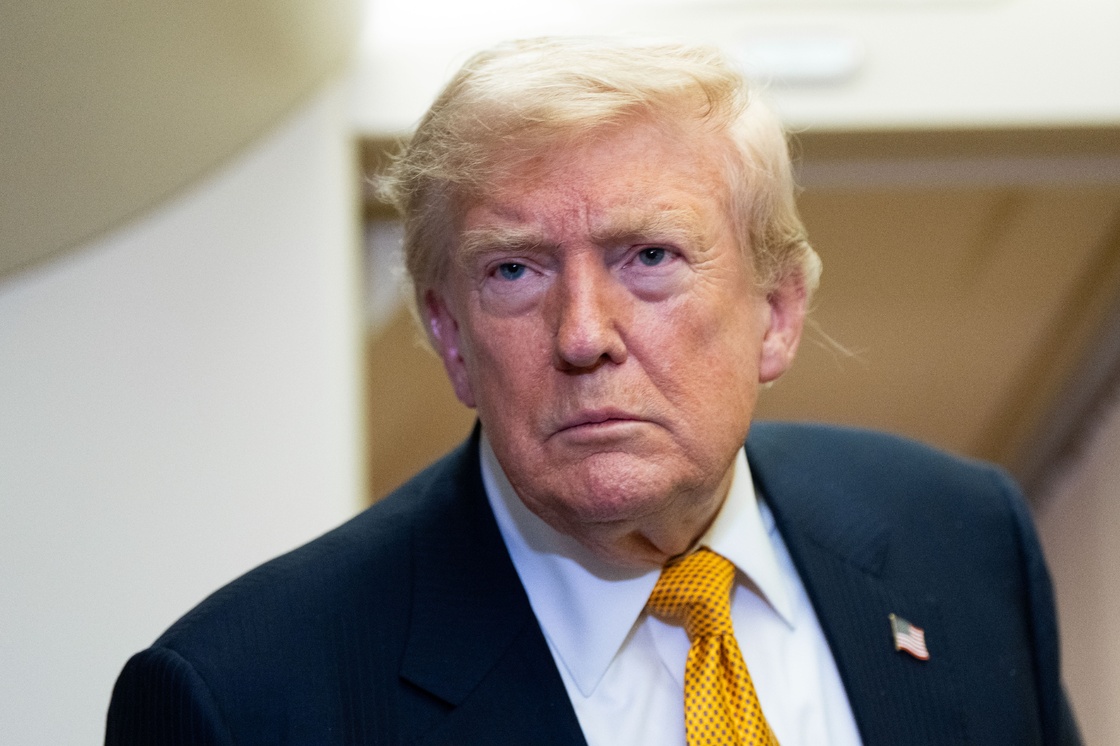
The fragile peace brokered between Washington and Tehran is coming apart at the seams. Just weeks after the celebrated signing of the Islamabad Memorandum, which aimed to halt a devastating conflict involving the US, Israel, and Iran, the deal is facing its most severe test yet. Dueling military strikes, maritime extortion, and raw personal animosity have replaced the brief window of diplomacy.
President Donald Trump took to Truth Social to declare the ceasefire effectively dead, threatening to unleash a barrage of thousands of "locked and loaded" missiles. Across the Gulf, Iran’s newly positioned Supreme Leader, Mojtaba Khamenei, quickly fired back via state television. He vowed that the nation would avenge the death of his father, Ayatollah Ali Khamenei, who died following initial wartime strikes. While regional mediators from Pakistan, Qatar, and Oman frantically shuttle between capitals to patch up the diplomatic floorboards, the reality on the ground points toward an immediate return to open conflict.
The Strait of Hormuz Standoff
At the center of this rapid deterioration is a fight over the world’s most critical energy chokepoint. The Strait of Hormuz, which previously carried roughly 20% of global oil and gas traffic, has turned into a toll booth backed by naval artillery.
Tehran has asserted absolute sovereign control over the waterway. The Iranian government is demanding that all passing commercial vessels pay transit fees directly to them, rejecting decades of established international maritime law. Tensions boiled over when Iran attacked three commercial ships in the strait, prompting the US military to launch a series of retaliatory airstrikes targeting Iranian military assets.
Senior US officials have put forward a strict bottom line: Iran must issue a public statement guaranteeing unhindered, safe passage through the strait without demanding illegal transit fees. Tehran's UN representative flatly rejected this, stating that any operations within the corridor rest exclusively with Iran. To make matters worse, unexplained airstrikes continue to hit Iranian territory. While Israel has stayed quiet, regional intelligence points to Gulf Arab states striking back independently to deter Iranian aggression against their own borders.
Rhetoric, Revenge, and Sanctions
The political theater surrounding the collapse is exceptionally dangerous. During the massive funeral events for Ayatollah Ali Khamenei, public crowds openly chanted for the assassination of Donald Trump. Trump capitalized on these threats online, warning that any attempt on his life would trigger an immediate, overwhelming military response.
Behind the war of words lies a web of broken economic promises. Iranian Foreign Minister Abbas Araghchi claims Washington broke the interim agreement first. The US recently revoked the hard-won sanctions waivers that allowed Iran to sell crude oil in US dollars, a move Washington executed right after Iran began targeting ships in the strait. Araghchi posted plainly on social media that there can only be mutual compliance, signaling that Iran won't back down while choked economically.
The core issue remains Iran’s highly enriched uranium. The Trump administration’s ultimate goal for these negotiations is clear: Iran must completely hand over its stockpile of enriched nuclear material. Iran has repeatedly refused. US officials have dropped heavy hints that if negotiations fail to secure the material, the Pentagon has military options ready to ensure those nuclear assets remain buried underground permanently.
The Desperate Scramble to Save the Deal
Despite the aggressive posture from both commanders-in-chief, the diplomatic channels haven't gone completely cold. Pakistan’s Army Chief, Field Marshal Asim Munir, who was instrumental in setting up the initial Islamabad Memorandum alongside Qatari officials, is working the phones alongside Egyptian and Turkish intelligence networks.
Araghchi traveled to Oman to meet face-to-face with intermediaries, while Qatari diplomats landed in Tehran to talk down hardline Iranian factions blamed for orchestrating the shipping attacks. Even Trump’s core negotiating team, including Vice President JD Vance and Jared Kushner, are leaving the door cracked for talks, even as they warn that the military will knock the hell out of anyone shooting at ships.
If you are tracking the next steps in this geopolitical crisis, look closely at these three indicators:
- Shipping Route Adjustments: Watch whether commercial mariners follow the US advisory to reroute through Oman's southern territorial waters, which will likely provoke further Iranian Revolutionary Guard interceptions.
- The Dollar Waiver Fight: Look for whether mediators can convince the US Treasury to restore limited oil-selling waivers in exchange for Iran pausing its Hormuz transit fees.
- The Uranium Stockpile Status: Monitor any sudden movements or inspections involving Iran’s enrichment facilities, as this remains the ultimate red line for a permanent American military intervention.
Mediator of Iran talks says final text of peace deal reached provides crucial context on the initial diplomatic breakthrough in Islamabad that regional mediators are now desperately trying to salvage.

.webp)