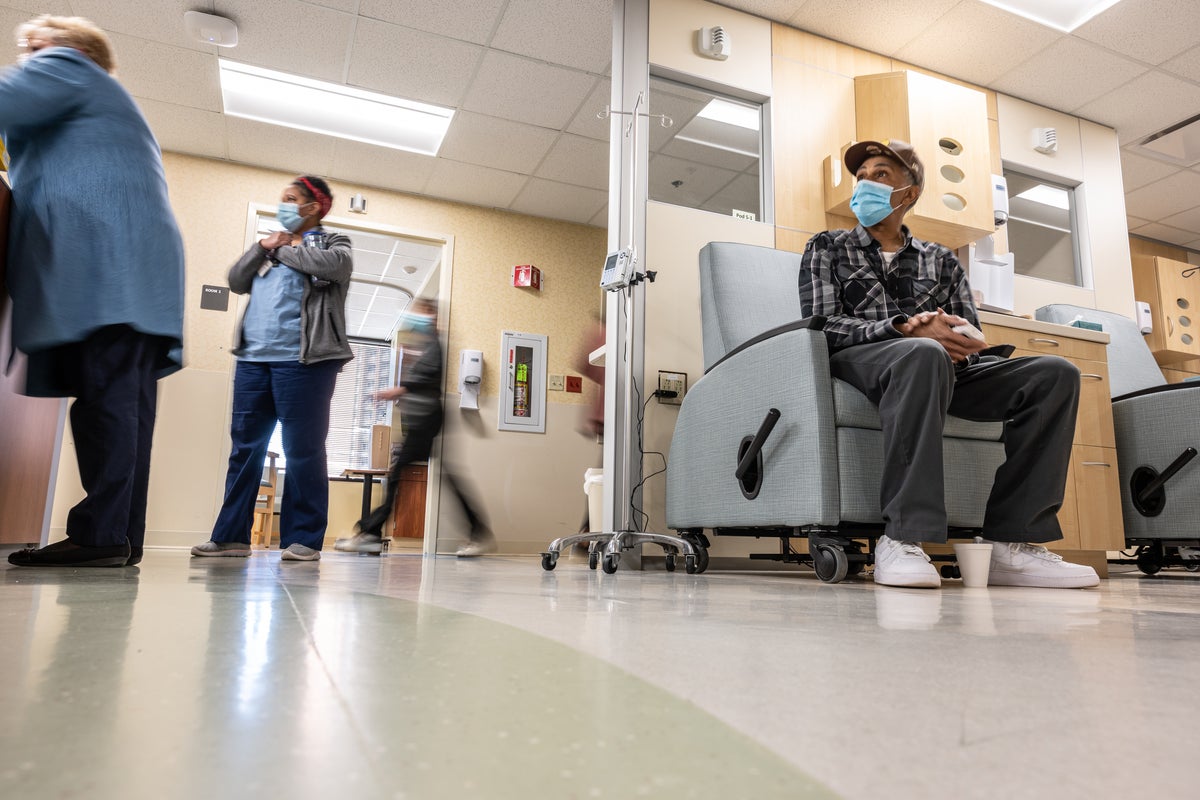
Time kills tissue. In oncology, that old surgical adage is gospel. Every week spent waiting for an operating room alters the math of survival. Yet, across hospitals in the United States, cancer patients face agonizing delays just to get their tumors cut out.
You hear about breakthrough therapies and high-tech scanners. You hear about precision medicine. Nobody wants to talk about the bottleneck at the surgical suite door.
I have watched families spend weeks refreshing patient portals, tracking scan results, and making desperate phone calls to scheduling nurses. They're trapped in a medical bureaucracy that treats malignant disease like an elective repair. It's wrong. And it's dangerous.
The Reality Behind The Surgical Backup
Data from institutions like the American College of Surgeons shows that treatment delays are creeping upward. We aren't talking about days. We are talking about weeks, sometimes months, between a definitive diagnosis and the first incision.
Why does this happen? The system is broken.
Hospitals run on margins. Operating rooms are expensive. Administrators want those rooms booked solid with high-revenue joint replacements and cosmetic procedures. Complex cancer resections take hours. They tie up specialized staff, intensive care beds, and expensive surgical hardware.
Staffing shortages compound the misery. Burnout among surgical nurses and anesthesiologists hasn't gone away. When a hospital lacks enough scrub techs to staff all its rooms, elective and semi-elective cases get pushed. To a hospital accountant, a cancer case that can wait two weeks looks identical to a knee replacement. To the patient, those two weeks mean the difference between localized disease and metastasis.
How Delays Change The Prognosis
Let's look at the science. When a surgeon removes a solid tumor, the goal is clean margins. You want every stray cancer cell gone.
If you leave a tumor sitting in the body for an extra month, biology doesn't pause. Aggressive cancers—like triple-negative breast cancer, pancreatic adenocarcinoma, or high-grade gliomas—grow and mutate.
Clinical studies published in journals like The BMJ confirm that surgical delays for breast, colorectal, and lung cancers measurably worsen survival rates. For every four-week delay in cancer treatment, the risk of death increases across multiple surgical pathways.
Patients feel this pressure in their bones. The psychological toll is devastating. You get the diagnosis, and instead of mobilizing to fight, you sit at home. You wait. You wonder if every new ache means the cancer is spreading while you fill out insurance pre-authorization forms.
Navigating The Insurance Maze
Insurance companies play a starring role in this slow-motion disaster.
You finally get a surgeon who wants to operate next Tuesday. Then the prior authorization request lands at an insurance desk. A desk reviewer who has never set foot in an operating room decides whether your specific staging scans justify the procedure.
They ask for more documentation. They deny coverage. The hospital's billing department appeals. Weeks slip away.
This isn't oversight. It's obstruction by friction. Insurance providers save money when care is delayed or denied. Patients bear the cost with their lives.
What You Can Do To Fight Back
You can't fix the American healthcare system by yourself. But you can refuse to be passive. If you or someone you love faces a cancer diagnosis, adopt a proactive mindset immediately.
Demand exact timelines. When a doctor says "we need to schedule surgery," ask for the specific date. If the scheduler says the earliest opening is six weeks out, push back.
Ask these exact questions:
- Is this wait medically safe given the specific grade and stage of this tumor?
- Can you put me on an active cancellation list so I can take an earlier slot if someone drops out?
- Does your network have affiliated regional surgical centers that can perform this procedure sooner?
Consider seeking a second opinion at a National Cancer Institute-designated comprehensive cancer center. These large academic hubs often have dedicated surgical blocks and streamlined pathways that bypass some of the administrative gridlock plaguing smaller community hospitals.
Advocacy matters. Bring a family member or friend to every consultation. Record the conversation on your phone if allowed. Take notes. Make noise when appointments drift into the future. The squeaky wheel gets the operating room.
No one should have to fight their own hospital just to get a tumor removed. Until the system undergoes radical reform, your best defense is relentless vigilance. Be loud. Be persistent. Protect your time, because in this fight, time is the only currency that matters.