Postcards lie to you. They show you emerald-green cornfields beneath jagged Andean peaks, silent stone ruins whispering ancient secrets, and a pristine river cutting through a timeless valley. They don't show you the steel-and-glass box houses creeping up the hillsides, the freshly poured concrete slicing across ancient agricultural terraces, or the heavy dust clouds kicked up by dump trucks hauling materials into zones that are supposed to be protected. The Sacred Valley of the Incas is changing fast. And honestly? It's getting ruined.
If you visit Peru just to tick Machu Picchu off your bucket list, you miss the actual tragedy unfolding right here in the valleys below. The Sacred Valley is facing an unchecked construction boom. It's messy, it's destructive, and it's happening in plain sight. Local authorities look the other way while wild real estate speculation carves up a landscape that has fed the Andes for centuries.
The Concrete Creep Over Ancient Soil
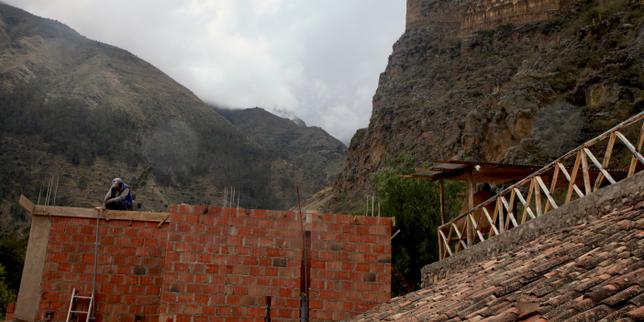
Drive down the winding road from Cusco toward Urubamba, and you will notice the scars immediately. Raw brick walls and corrugated tin roofs now interrupt vistas that used to feature nothing higher than a colonial church steeple. This isn't organic growth. It's a gold rush.
Land speculators and outside investors have figured out that owning a piece of the Sacred Valley is a massive flex for wealthy urbanites from Lima or foreign expats looking for a mountain sanctuary. They buy up fertile agricultural parcels dirt cheap from local farmers who struggle to survive on traditional farming alone. Then, they subdivide them. They build sprawling second homes, boutique hotels, and gated compounds.
The problem goes deeper than ugly architecture. These buildings sit on top of andenes—the sophisticated agricultural terraces engineered by the Incas. These terraces aren't just pretty steps on a hillside; they are hyper-functional water management systems designed to prevent erosion, regulate soil temperature, and maximize crop yields. When you bulldoze an Inca terrace to build a swimming pool or a multi-car garage, you disrupt hydrology networks that took centuries to stabilize. The soil gives way. Landslides become inevitable. The very foundations of the valley are literally crumbling under the weight of bad engineering.
Why Local Bureaucracy Turns a Blind Eye
Corruption and regulatory failure fuel this entire mess. Municipalities in provinces like Urubamba and Calca are completely unequipped to handle the sudden surge in real estate demand. Many local offices operate with outdated zoning maps, zero enforcement staff, and budgets that pale in comparison to the deep pockets of private developers.
Land trafficking networks operate with virtual impunity. In Peru, the informal real estate market is massive. Syndicates known as traficantes de terrenos regularly seize disputed plots, forge land titles, and sell them to unsuspecting buyers before local authorities can intervene. By the time municipal inspectors show up with a cease-and-desist order, the foundation is poured, the roof is up, and politicians are hesitant to tear down completed structures because of political backlash.
It's a classic case of short-term profit winning over long-term survival. Local mayors often view construction as economic development, cheering on every new brick hotel because it brings transient tourism cash. They ignore the fact that once the valley loses its authentic rural charm and ecological stability, tourists won't want to come here anymore. You can't pave over history and expect people to keep paying top dollar to look at concrete.
The Heavy Toll on Water and Local Communities
Water is life in the high Andes. But the Sacred Valley is running dangerously dry, and the new arrivals are drinking it all up.
Traditional farming relies on ancient irrigation canals fed by glacial runoff and natural springs. When a massive luxury lodge or a cluster of fifty suburban-style chalets gets built upstream, they drill unauthorized deep wells or divert community water lines. Local farmers—the very people whose ancestors built the irrigation systems that sustain the region—find their fields turning to dust during the dry season.
This creates a bitter economic squeeze. Indigenous communities who have farmed maize, potatoes, and native grains for generations are pushed off their ancestral lands. They can't compete with skyrocketing land values and property taxes driven up by outside speculation. Many end up selling their plots out of desperation, trading a self-sufficient livelihood for low-wage service jobs cleaning rooms or cooking meals for the exact people who ruined their way of life.
The social fabric frays. Villages that used to operate on collective labor and mutual aid (minka and ayllu) are turning into fractured enclaves of absentee landlords and short-term vacation rentals.
The Tourism Paradox
We have to talk about the elephant in the room. Travelers want to experience authenticity. They fly thousands of miles to eat organic corn, hear Quechua spoken in the markets of Pisac, and feel a spiritual connection to the Pachamama. Yet, the demand for high-end hospitality fuels the very construction frenzy destroying that authenticity.
Every time a travel blog publishes a breathless piece about discovering an off-the-grid Andean paradise, a developer buys a hillside. Every boutique eco-lodge marketed as a sustainable sanctuary requires massive amounts of imported materials, heavy machinery, and infrastructure that strains local electricity and waste management systems.
The local waste infrastructure simply doesn't exist. Trash collection in many rural parts of the Valley is sporadic at best. Wastewater management is primitive. Without central sewage treatment plants, greywater and sewage from new developments often seep directly into the Vilcanota River—the lifeblood of the entire region. You visit the Sacred Valley to marvel at the pure mountain air and sacred waters, only to realize that modern pollution is choking the ecosystem from the inside out.
What Real Protection Actually Looks Like
Saving the Sacred Valley requires more than hand-wringing and empty environmental pledges from regional tourism boards. It takes hard boundaries.
Communities across Urubamba, Ollantaytambo, and Pisac are starting to push back. Grassroots organizations and local indigenous councils are staging protests, blocking illegal access roads, and demanding strict zoning laws that carry actual criminal penalties for violators. They are mapping Inca heritage sites and pushing the Ministry of Culture to enforce buffer zones around protected ruins.
If you are planning to travel here, your choices matter. Stop booking cookie-cutter luxury resorts tucked illegally into agricultural hillsides. Support family-run guesthouses, community-based tourism initiatives, and local homestays that keep money directly in the hands of the families who actually care for the land. Ask tour operators hard questions about where their money goes and whether their partners respect local zoning laws.
The Sacred Valley isn't a blank canvas waiting for your dream vacation home. It is a living, breathing cultural landscape with a fragile ecosystem and a resilient people who deserve better than watching their heritage paved over for quick cash. Stop treating the Andes as a playground and start treating it as a sanctuary before there is nothing left to save.