The headlines are as predictable as they are gruesome. Every winter and summer, the same cycle of outrage begins. "Dozens dead in initiation schools." "The bloody cost of tradition." "Why South Africa must ban the bush."
The lazy consensus—the one fed to you by NGOs, suburban doctors, and distant human rights observers—is that the Ulwaluko rite is a primitive relic. They want you to believe that if we just slapped a white lab coat on every ingcibi (traditional circumciser) and moved the whole process into a sterile hospital wing, the "problem" would vanish.
They are wrong. Dead wrong.
By trying to "fix" Ulwaluko with Western medical intervention, we are actually accelerating its decay and making it more dangerous for the initiates. The crisis in the Eastern Cape isn't a failure of tradition. It is a failure of modern regulation attempting to skin-graft a clinical procedure onto a psychological transformation. We are treating a spiritual milestone as a mere surgical event, and the boys are paying for that category error with their lives.
The Scalpel is Not the Ceremony
The primary argument from the medical establishment is that "medical male circumcision" (MMC) is the gold standard. They cite infection rates and sterile environments. But they miss the fundamental mechanics of the rite.
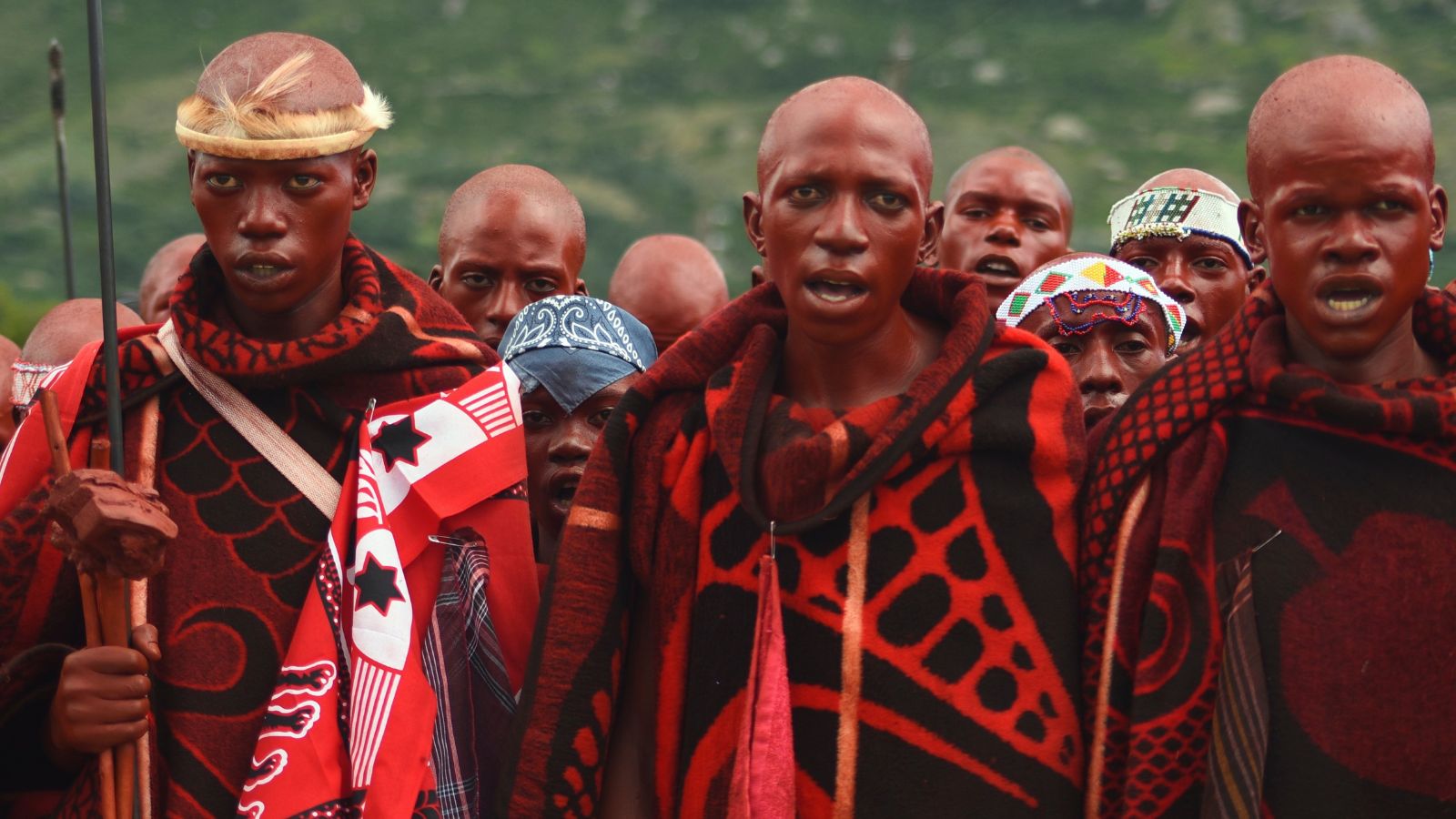
Ulwaluko is not about the foreskin. If it were, it would have died out decades ago with the advent of local anesthesia. It is a transition from inkwenkwe (boy) to indoda (man). This transition requires hardship, isolation, and—most importantly—the social validation of the community.
When the state intervenes by mandating "medicalized" bush camps, they create a hybrid monster. They strip away the traditional oversight of the elders—who historically knew exactly who was fit to perform the surgery—and replace it with a "certified" practitioner who may have the paperwork but lacks the communal trust.
In the old system, an ingcibi’s reputation was his life. If a boy died, the practitioner was finished. Today, under a sea of "compliance" and "health departmental oversight," responsibility is diffused. When everyone is responsible, nobody is. We have traded ancestral accountability for a bureaucratic paper trail that doesn't stop gangrene.
The Black Market of Manhood
Here is the truth nobody admits: The rise in deaths is directly proportional to the "illegal" schools, which are a direct byproduct of over-regulation.
When you make the barriers to entry for a "legal" traditional school too high—demanding specific medical kits, state-approved land, and government-vetted attendants—you don't stop the rite. You just drive it underground.
Imagine a scenario where the state bans all unofficial gyms. People wouldn't stop lifting weights; they’d just start lifting rusted scrap metal in dark basements without spotters.
The "illegal" schools are the "dark basements" of Xhosa culture. They are run by opportunists who know that the desire for manhood is so primal that boys will seek it out even in a death trap. By trying to sanitize the process, the government has created a lucrative black market for "quick-fix" initiations. These "fly-by-night" schools are where the real body count lies, yet the media blames "tradition" as a whole.
It’s a classic bait-and-switch.
Dehydration is Not a Bug, It's a Feature (Until It’s Not)
One of the most criticized aspects of Ulwaluko is the restricted water intake. To a doctor, this is madness. It leads to acute kidney injury (AKI).
But let’s look at the logic. The restriction is designed to prevent the wound from being contaminated by urine and to test the initiate's mental fortitude. In a traditional setting, with a seasoned ikhankatha (guardian) who knows the signs of distress, this is a controlled hardship.
The problem arises when you have "guardians" who have no idea what they are doing. They see the "no water" rule not as a calibrated tool, but as a blunt instrument of torture.
The medical community’s response? "Give them all the water they want."
The traditionalist’s response? "Give them none."
Both are failing. The middle ground isn't "medicalization"; it’s the restoration of the experience of the elders. We don't need more doctors in the bush; we need better-trained elders who understand the physiology of the ritual they are presiding over.
The False Promise of the Hospital Ward
There is a growing push to move the entire process into hospitals. "Get circumcised by a surgeon, then go to the bush for the 'teaching' part," they say.
This is a fundamental misunderstanding of how human psychology works. You cannot bifurcate the ritual. If the "cutting" is done in a sterile, numbed, clinical environment, the psychological "weight" of the transition is evaporated.
I’ve seen how this plays out in other sectors. When you take a high-stakes rite of passage and make it "safe" and "convenient," it loses its transformative power. The boys who go the medical route are often mocked by their peers as "after-cuts." They aren't seen as "real" men by the very society they are trying to join.
This creates a permanent underclass of "medically initiated" men who still feel the need to prove themselves, often through hyper-masculine aggression or by later attending a "real" (and often dangerous) bush school to "fix" their status.
Stop Fixing the Wrong Problem
The question shouldn't be "How do we make Ulwaluko medical?"
The question must be "How do we make the traditional practitioners elite again?"
We need to stop treating the ingcibi like a criminal-in-waiting and start treating him like a high-stakes specialist.
- Direct Accountability, Not Bureaucracy: Instead of government "observers" who show up once a week, we need a return to the clan-based vetting system where the family of the initiate has the power to vet the practitioner.
- The "Scars over Certificates" Model: Recognition should be based on a multi-year apprenticeship under a master, not a weekend workshop provided by the Department of Health.
- Brutal Transparency: The "illegal" schools are often protected by local corruption. The community knows where they are. The police know where they are. They stay open because they pay "taxes" to the right people.
The Hard Truth About Risk
Safety is a sliding scale, not a binary. We accept that mountain climbing is dangerous. We accept that rugby results in concussions. We accept these risks because the "reward"—the achievement, the character building—is deemed worth it.
Ulwaluko is a high-risk, high-reward cultural endeavor.
The goal should not be zero risk. A zero-risk rite of passage is an oxymoron. If there is no risk, there is no passage. The goal must be the elimination of unnecessary risk—the kind caused by incompetence, filth, and greed.
By forcing a Western medical framework onto a Xhosa spiritual journey, we aren't saving lives. We are destroying the cultural scaffolding that keeps the community together, while simultaneously creating the conditions for the very deaths we claim to mourn.
The blood isn't just on the hands of the "illegal" initiators. It’s on the hands of the "reformers" who tried to turn a sacred fire into a fluorescent lightbulb.
Stop trying to hospitalize the bush. Start respecting the gravity of the blade.
If you want to save the boys, give the tradition back to the people who actually believe in it, rather than the bureaucrats who are terrified of it.