Western sanctions were supposed to starve the Russian and Iranian drone programs. Instead, those factories are humming along just fine. If you look at the wreckage of a Shahed drone in Ukraine today, you won't just find scrap metal; you'll find a clear map of a supply chain that begins in Chinese industrial hubs and ends in the hands of Russian and Iranian technicians.
The U.S. keeps blacklisting companies, but it's like playing a high-stakes game of Whac-A-Mole where the mole has a thousand heads. I've watched this play out: a small firm in Xiamen or Shenzhen gets sanctioned on a Tuesday, and by Thursday, a "new" company with the same management and a slightly different name is already shipping the same fiber-optic cables and engines. They aren't even hiding it anymore.
The Myth of Effective Export Controls
We like to think that putting a company on the Entity List is a death sentence. In reality, for many small Chinese manufacturers, it's just a cost of doing business. These firms don't use the U.S. dollar. They don't have bank accounts in New York. They don't care about the American financial system.
When you remove the threat of financial exclusion, the U.S. Treasury loses its biggest stick. Small, agile factories are now producing high-end components—things like the German-designed Limbach L550 engines—right on Chinese soil. These aren't "accidental" shipments. These are deliberate exports of dual-use goods that can power a consumer toy or a suicide drone.
Customs data from early 2026 shows hundreds of containers moving through these channels. We're talking about:
- Lithium-ion batteries that give drones their range.
- Fiber-optic cables used for guidance systems that ignore electronic jamming.
- Gyroscopes and microchips that keep a drone level while it hunts a target.
Why Small Factories are Winning
The big players like DJI have to be careful. They have global brands to protect. But the "no-name" factories in China's secondary provinces are a different story. They operate in a grey zone where the Chinese government officially "regulates" exports but practically ignores them as long as the cash keeps flowing.
Conflict Armament Research has found a massive spike in these Chinese components inside Russian "Geran-2" drones (the Russian name for the Iranian Shahed). This isn't a trickle; it's a flood. In the fall of 2024, after Russia used cable-guided drones to retake territory in the Kursk region, Chinese exports of specific fiber-optic cables didn't just rise—they surged.
The Oil Connection and the Funding Loop
You can't talk about the hardware without talking about the money. Iran pays for these components primarily with oil revenue. Even with the U.S. trying to squeeze Tehran’s oil exports, China remains the primary buyer. It's a closed loop. China buys the oil, Iran gets the yuan, and then Iran spends that yuan on Chinese drone parts.
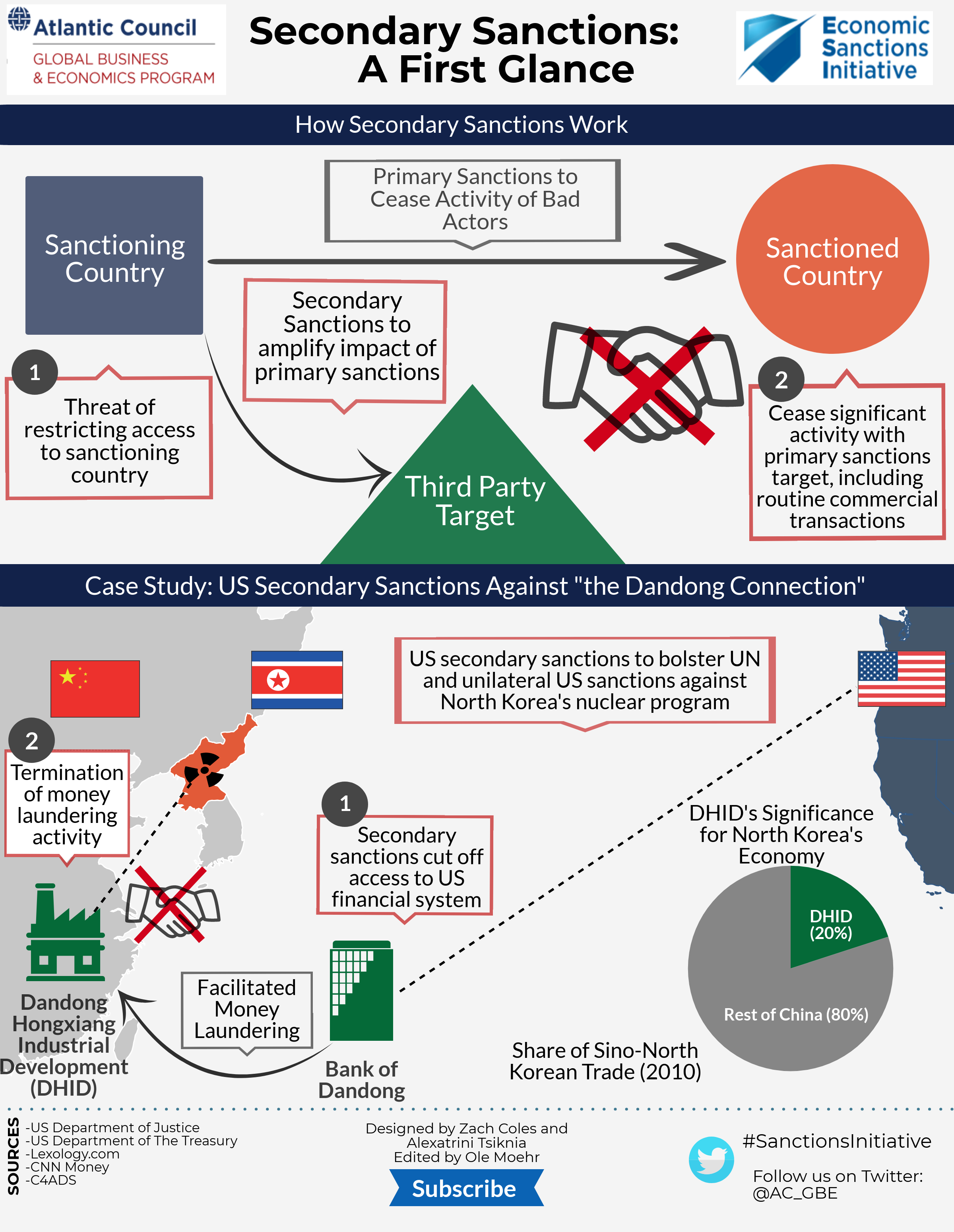
U.S. officials are now shifting their focus. They realize they can't stop every microchip from leaving a Chinese port. Instead, they're trying to "cut off the head of the snake" by targeting the revenue. But even that's failing. The "shadow fleet" of tankers used to move Iranian oil is more sophisticated than ever, utilizing shell companies in Hong Kong and the UAE to mask the origin of the crude.
The Quality Gap is the Only Victory
If there's any "win" for the West here, it's that forcing Russia and Iran to rely on these smaller Chinese suppliers has led to a noticeable drop in quality. When you're buying from a factory that doesn't fear sanctions, you aren't always getting military-grade hardware.
We've seen reports of several Russian Shahed drones simply falling out of the sky before reaching their targets. Why? Because a consumer-grade battery from a small Chinese shop isn't designed for the vibration and temperature swings of a long-range flight. The U.S. strategy has pivoted from "stopping the flow" to "making it more expensive and less reliable." It’s a grim reality. If you can't stop the enemy from building weapons, you make sure those weapons break 20% of the time.
What Happens Next
The alliance between Moscow, Tehran, and Beijing is tightening. They've moved past just trading parts; they're now sharing technical guidance. Russia is providing Iran with data from the battlefield in Ukraine to help Chinese manufacturers tweak their designs. It’s a real-time R&D lab funded by the war.
If you're looking for a quick fix, there isn't one. The "Axis of Drones" has already built a parallel economy that doesn't need Western permission to exist.
To stay ahead of this, keep an eye on:
- New U.S. secondary sanctions targeting the specific Chinese banks that still handle these transactions.
- Satellite tracking of the Iranian "shadow fleet" as they dock in Chinese ports like Gaolan.
- Advancements in drone-jamming tech that might render these cheap, mass-produced Chinese parts obsolete on the battlefield.