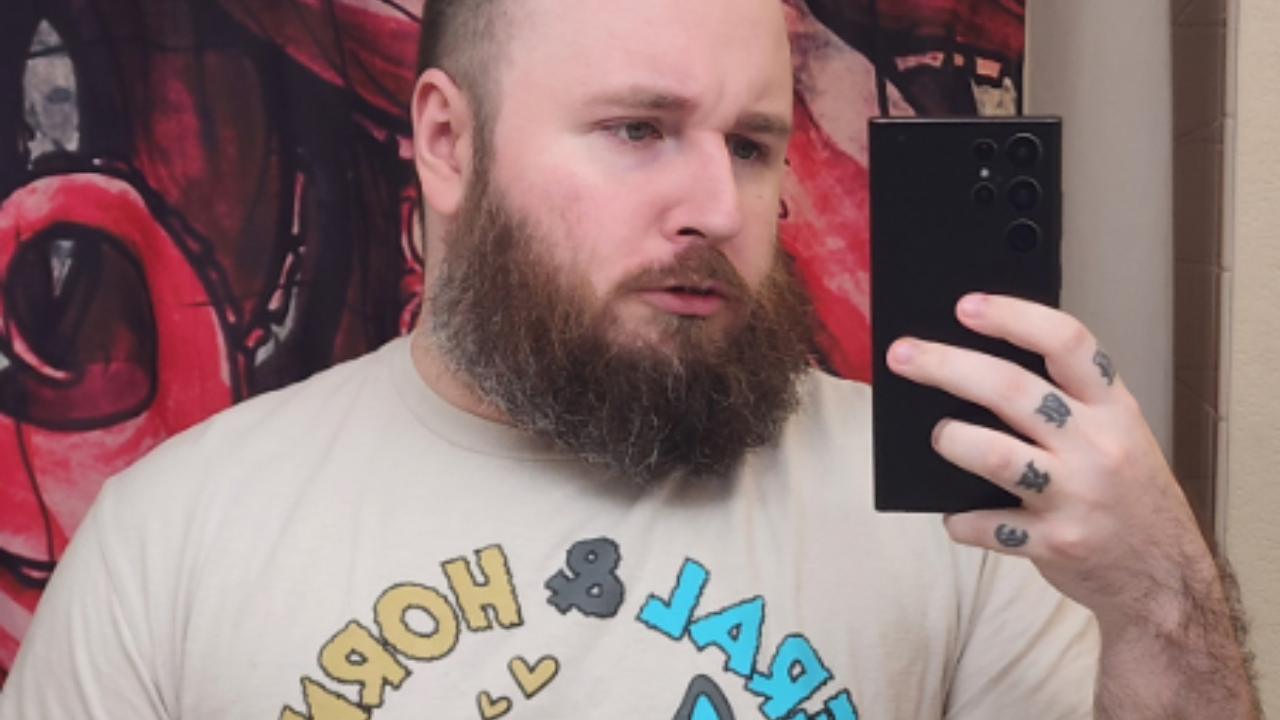
The moral panic over ERBY’s "cage stream" is exactly what’s wrong with the modern creator economy. Twitch issued a ban. The internet collective gasped in feigned horror. The "safety experts" rushed to their keyboards to talk about dangerous stunts.
They are all missing the point.
The ban isn't about safety. It isn't about protecting the youth. It is about a platform that has completely lost its identity and is now cannibalizing its own innovators to appease a ghost of a corporate standard that doesn't actually exist. We are watching the slow, sanitized death of live entertainment, and everyone is cheering for the executioner.
The Stunt Was the Only Honest Thing on Twitch
Let's strip away the pearl-clutching. ERBY locking himself in a cage for days—facing the psychological and physical tax of confinement—is more authentic than 99% of the content currently occupying the "Just Chatting" category.
We live in an era of manufactured drama, scripted "leaks," and influencers who spend six hours a day reacting to YouTube videos they’ve already seen. ERBY offered a raw, unedited endurance test. It was performance art in its most visceral form. When the platform labels this as a "dangerous stunt" worthy of a permanent or indefinite removal, they are setting a precedent that effort and high-stakes creativity are liabilities.
Twitch wants you to sit in an ergonomic chair, drink a sponsored energy drink, and play a battle royale game until your soul leaves your body. Anything that breaks that mold—anything that actually challenges the viewer or the creator—is now "unsafe."
The Illusion of Safety Guidelines
The Terms of Service (ToS) regarding self-harm and dangerous acts are intentionally vague. They function as a "we know it when we see it" weapon used to prune creators who become too unpredictable for the current advertising cycle.
If ERBY’s cage stream is a "dangerous stunt," then what is a 24-hour subathon? Sleep deprivation is a documented health hazard. It causes cognitive decline, heart stress, and immune suppression. Yet, Twitch promotes subathons. They feature them on the front page. Why? Because subathons generate massive, predictable revenue through subscriptions.
The danger isn't the metric. The revenue is the metric.
- The Subathon Logic: Slow-motion self-harm is okay if the "Subscribe" button is being hit every 30 seconds.
- The ERBY Logic: High-concept endurance is "dangerous" because it creates a spectacle that the legal department hasn't vetted for a pre-roll ad for a family sedan.
I have seen this happen in industry after industry. When a platform moves from "discovery and chaos" to "optimization and safety," it stops being a cultural hub and starts being a utility. Twitch is becoming the cable television of the internet—safe, boring, and utterly replaceable.
The Audience Doesn't Want Protection
The "People Also Ask" section of any search engine regarding this controversy usually boils down to: "Was ERBY in actual danger?"
The answer is: Who cares?
The audience tuned in because there was a possibility of failure. That is the fundamental core of live entertainment. Whether it’s a tightrope walker, a professional fighter, or a guy in a cage on the internet, the "risk" is the product. By removing that risk, Twitch is effectively lobotomizing its own value proposition.
If I wanted a perfectly safe, curated, and risk-free experience, I would watch a Netflix documentary. People go to Twitch for the "Live" element. "Live" means anything can happen. If you ban the "anything can happen" part, you are just a poorly produced TV network with a chat box that moves too fast to read.
The Hypocrisy of Content Moderation
Let's talk about the "Pools, Hot Tubs, and Beaches" category. Twitch literally created a category for content that pushes the boundaries of their own "suggestive content" rules because the viewership numbers were too high to ignore.
They are willing to bend the rules for physical aesthetics because it’s a reliable thirst-trap for engagement. But when a creator uses their body as a vessel for an endurance experiment—a tradition that goes back to David Blaine and Harry Houdini—it’s suddenly a bridge too far.
We are punishing intellectual and physical endurance while rewarding the most low-effort, borderline-violating content because the latter is easier to sell to brands. It is a race to the middle. It is the glorification of the mediocre.
Stop Trying to "Fix" Streaming Culture
The common "lazy consensus" is that Twitch needs more rules, more moderation, and more "safety" to grow. This is a lie. Growth comes from the fringes. It comes from the weird, the uncomfortable, and the disruptive.
When you ban ERBY, you aren't making the platform safer. You are telling every other creator on the platform: "Don't try. Don't experiment. Don't take risks."
What do we get instead?
- React Content: The lowest form of human intelligence, where a millionaire watches a five-minute clip and says "True" three times.
- Gambling-lite: "Opening boxes" and "gacha mechanics" that are designed to groom children into gambling habits, yet often stay within the lines of "safety."
- The Meta-Chaser: Thousands of people playing the same three games because they are afraid that deviating from the algorithm will result in a shadow-ban or a loss of "Partner" status.
The Cost of Sanity
The downside of my perspective is obvious: yes, someone might actually get hurt. But that is the price of a free and open creative ecosystem. We accept the risk of injury in sports. We accept the risk of psychological trauma in Method acting. Why is streaming held to the standard of a daycare center?
If we continue to let platforms like Twitch dictate the "correct" way to be creative, we will end up with a digital landscape that is as sterile as an insurance seminar.
The Unconventional Advice for Creators
If you are a creator watching the ERBY situation and feeling a chill, you are paying attention. The move isn't to "follow the rules better." The move is to diversify your risk.
- Own the Infrastructure: If your entire career can be deleted by a mid-level moderator who didn't like your "tone" or your "stunt," you don't have a career; you have a digital tenancy.
- Weaponize the Ban: ERBY’s ban is the best marketing he’s ever had. In the attention economy, a ban is a badge of authenticity. It proves you are too real for the corporate overlords.
- Reject the "Partner" Trap: The Twitch Partner program is a set of golden handcuffs. It forces you into exclusivity on a platform that will turn on you the moment a PR firm sends a concerned email.
Twitch didn't ban ERBY because they cared about his health. They banned him because he made them uncomfortable. He reminded them that live streaming started as a wild-west frontier, not a board room.
The cage wasn't the problem. The fact that he showed us the bars of the platform we're all living in was the problem.
Build your own cage. Keep the key. Stop asking for permission to be interesting.
The ban isn't the end of the story; it's the final proof that the platform is no longer the home of the brave. It’s the home of the compliant. If you want to be a creator, decide right now which one you are.