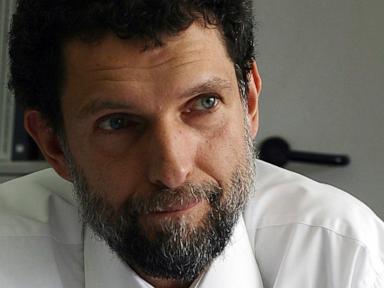
If you think the rule of law is just a boring concept for lawyers to argue about, look at what is happening in Turkey right now. The European Court of Human Rights has repeatedly pointed out a massive, structural breakdown inside the Turkish court system. At the center of this firestorm is the relentless prosecution of high-profile philanthropists and civil society figures, turning basic legal safeguards into political weapons.
When courts stop functioning as independent arbiters and start acting as rubber stamps for political pressure, the entire society pays the price. Let us break down why international watchdogs are sounding alarms, what went wrong behind the bench, and why this institutional failure matters far beyond local borders.
The Anatomy of a Broken System
Turkey did not reach this point overnight. Over the past decade, a steady erosion of institutional checks and balances has turned routine trials into predetermined outcomes. International bodies like the Council of Europe have spent years tracking how judges and prosecutors bypass standard legal protections, especially when dealing with human rights defenders, journalists, and activists.
Take the landmark case of philanthropist Osman Kavala as a prime example. Arrested initially in late 2017, Kavala spent years behind bars without a conviction, facing shifting allegations ranging from involvement in the 2013 Gezi Park protests to an alleged role in the 2016 coup attempt. Even after the European Court of Human Rights ordered his immediate release due to a blatant lack of evidence and an ulterior political motive, Turkish courts engineered new indictments to keep him locked away. In April 2022, he received a sentence of life imprisonment without parole.
This is not just about one man. It represents a functional blueprint for how domestic courts sidestep international human rights treaties. When local courts ignore binding international rulings, they signal to citizens and foreign investors alike that legal certainty no longer exists.
How Structural Pressure Replaces Impartiality
Why do Turkish judges routinely ignore clear legal standards? The answer lies in structural reforms implemented over the years that stripped the judiciary of its institutional autonomy.
- The Council of Judges and Prosecutors holds immense power over judicial appointments, promotions, and assignments.
- Judges who hand down rulings that displease political authorities often find themselves abruptly transferred to remote provinces or facing disciplinary probes.
- Career survival inside the system now depends heavily on alignment with executive priorities rather than strict adherence to constitutional law.
This creates a chilling effect across the entire legal community. Defense lawyers who vigorously challenge state prosecutors frequently find themselves targeted with criminal investigations. When attorneys become afraid to defend their clients aggressively, the right to a fair trial collapses entirely.
The International Fallout and Infringement Proceedings
Ignoring Strasbourg has heavy costs. Because Turkey remains a founding member of the Council of Europe, it is legally bound by the European Convention on Human Rights. Refusing to comply with rulings from the European Court of Human Rights triggers severe escalation mechanisms.
The Committee of Ministers initiated rare infringement proceedings against Ankara over the refusal to free Kavala. This move points toward potential suspension or loss of voting rights within the Council of Europe. Turkish officials often dismiss these measures as foreign interference in an independent judiciary, but international jurists see it differently. They view it as a necessary defense of a continent-wide legal order.
If a state can selectively choose which court orders to obey, international law loses its binding power. The fallout extends into economic realms, too. Foreign direct investment relies heavily on predictable, independent courts to resolve commercial disputes. When the highest courts bend to political winds in criminal cases, investors assume civil and commercial contracts are equally vulnerable.
What Real Reform Would Require
Fixing a systemic judicial crisis cannot happen through minor cosmetic tweaks. It demands a complete overhaul of how judges gain appointment and tenure.
Restoring true independence requires insulating the judiciary from political appointments. It means respecting the binding nature of international human rights judgments instead of treating them as optional suggestions. Until structural changes guarantee that a judge can rule against the state without fearing career destruction or prosecution, the Turkish judiciary will remain trapped in this cycle.
Keep an eye on how international bodies apply diplomatic and legal pressure in the coming months. The outcome will shape not just the future of civil liberties in the region, but the credibility of the entire European human rights architecture.