For nearly thirty years, the murder of Tupac Shakur felt like an open wound that would never heal. Theories ranged from coast-to-coast conspiracies to bizarre federal cover-ups. Then came the courtroom reality in Las Vegas. Walking into Clark County District Court during the trial of Duane "Keffe D" Davis meant stepping back into a sepia-toned nightmare of 90s gang warfare, broken promises, and the heavy weight of hip-hop history.
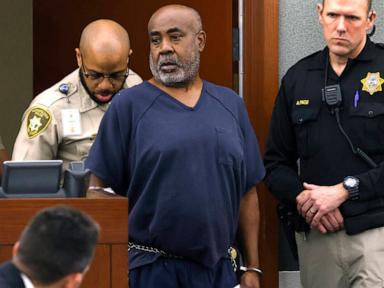
If you expected a grand cinematic spectacle, reality looked much grimmer. The courtroom was quiet, stark, and soaked in exhaustion. Duane Davis sat at the defense table in a blue suit and tie, a 63-year-old former gang leader looking nothing like the mythic street commander prosecutors made him out to be. He scanned the room with a practiced eye, watching every reporter and family member walk past.
The state didn't rely on bleeding-edge forensic evidence or fresh eyewitness accounts from that fateful September night in 1996. They relied on Davis's own ego. Chief Deputy District Attorney Binu Palal held up Davis’s 2019 memoir, Compton Street Legend, like a smoking gun. Prosecutors built their entire case around the defendant's years of bragging, podcast appearances, and police interviews where he admitted to orchestrating the retaliation.
Sitting just feet away from the jury box, you could feel the tension shift whenever audio clips played through the courtroom speakers. Hearing Davis’s gravelly voice talk casually about arming the shooters and hunting down Tupac and Suge Knight after a brawl at the MGM Grand casino gave the room an eerie chill. It wasn't a cold case anymore. It was a man's own words coming back to bury him.
The defense tried a desperate counter-punch. Attorney Michael Sanft argued that Davis lied about everything for money and clout, pointing out that true physical evidence tying Davis to the white Cadillac was virtually nonexistent. Sanft questioned why law enforcement ignored Davis's earlier confessions for decades if they supposedly held any weight. But juries do not like defendants who spend years turning a murder into a marketing campaign.
When the verdict finally dropped, it didn't take days of agonizing deliberation. The jury reached its conclusion in under three hours. Duane Davis was convicted of murder with a deadly weapon with the intent to promote, further, or assist a criminal gang.
Gasps rippled through the gallery. Tupac’s sister, Sekyiwa "Set" Shakur, broke down in tears, leaning back into the arms of supporters as decades of grief momentarily transformed into legal closure. Davis’s son pulled his hand over his face, shielding himself from the flashbulbs and the harsh glare of history.
This verdict shattered the illusion that street legends could cash in on their crimes without paying the ultimate price. You can write all the memoirs you want and chase internet infamy, but time eventually catches up. The case proved that even thirty years later, words spoken in the dark will eventually find the light of a courtroom.