When bullets tore through the parking lot of Tucson’s Venture-N bar, leaving two innocent men dead and a community in shock, the reflex machine spun into action within minutes. Local officials rushed to microphones, headlines labeled it an open-and-shut hate crime, and a piece of paper found on the dead shooter, Ousman Ceesay, was treated as the ultimate Rosetta Stone of modern bigotry.
The lazy consensus writes itself: a deranged gunman targets a historic queer sanctuary, armed with a hit list of LGBTQ+ venues, proving once again that systemic homophobia is a loaded gun pointed at every marginalized space in America. Also making waves lately: The Canvas Beneath the Midway.
It is a clean, emotionally satisfying narrative. It is also an intellectual cop-out that obscures how violent pathology actually operates.
The Danger of Premature Certainty Further insights on this are covered by The Guardian.
Investigators found a note on Ceesay listing multiple LGBTQ+ associated businesses. That piece of evidence transformed the tragedy into an immediate symbol of targeted ideological slaughter. But let us look at the mechanics of violent crime rather than rushing to political utility.
History shows us that mass perpetrators and high-risk shooters frequently possess scattershot grievance lists that mix personal paranoia, localized vendettas, and whatever institutional targets occupy their fractured minds at zero hour. To automatically categorize every multi-site threat matrix as a pure ideological hate crime before a financial, medical, or psychological audit is completed is a failure of investigative discipline.
When mayors and pundits turn an active homicide probe into an immediate referendum on national bigotry, they bypass the harder, messier reality of chronic mental deterioration. Was Ceesay driven by an organized ideological crusade, or was he a deeply unstable individual experiencing a personal collapse who latched onto high-visibility coordinates? Conflating the two feels righteous, but it blinds us to the actual warning signs that precede public violence.
The Weaponization of Tragedy for Policy Comfort
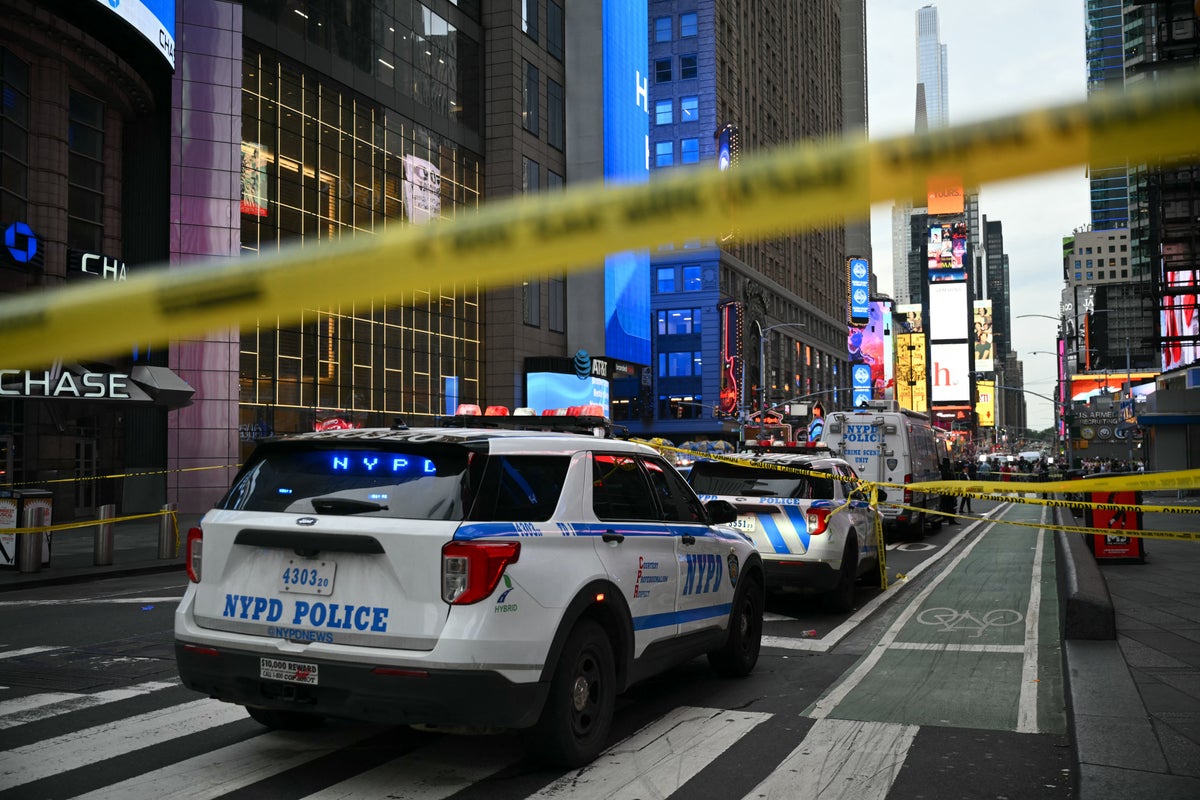
As soon as the yellow tape went up, the political class pivoted directly to pre-written playbooks. Gun control advocates pointed to Arizona's statutes. Local officials bewailed the persistence of societal hate.
This is the comfort zone of modern tragedy management. It allows leaders to frame a localized eruption of lethal violence as an abstract symptom of a broader cultural disease. If the shooting is purely a product of generalized homophobia, then the solution is simple: pass stricter laws, issue stronger condemnations, and increase police presence outside local venues.
This framing offers a seductive illusion of control. It implies that if society just polices its language and restricts firearms a bit tighter, disturbed actors will vanish.
Reality is far more stubborn. Mass shooters and high-risk violent offenders do not operate because a state law lacked an extra clause; they operate because safety nets failed to catch an individual experiencing acute, cataclysmic psychological failure. By treating every attack on a minority-associated space as an existential political battle, we ignore the granular breakdown of community mental health infrastructure that lets these tragedies gestate in plain sight.
Dissecting the Note Fallacy
Let us examine the centerpiece of the hate crime assumption: the list of businesses.
In modern threat assessment, investigators routinely recover manifestos, notebooks, and digital footprints from attackers. These documents rarely reveal a coherent political manifesto. More often, they resemble the disorganized ramblings of paranoid schizophrenia, obsessive-compulsive fixations, or amorphous grievances against the world at large.
When a shooter lists multiple locations, lazy analysts assume an itinerary of systematic terror. Experienced threat assessors look for logistical feasibility, operational capability, and the presence of true ideological indoctrination versus generic persecutory delusions. Ceesay confronted victims immediately in a single parking lot and expired at the scene. The leap from a recovered list to a coordinated anti-queer crusade skips several mandatory steps of forensic verification.
Investigating a crime as a potential bias incident is standard procedure. Declaring it a definitive cultural watershed before the autopsy ink is dry is theater.
The Real Cost of Lazy Narratives
When we mischaracterize the root architecture of a violent event, we misallocate our defenses. If communities treat every threat purely as an external wave of ideological hatred, they focus entirely on physical hardening and public relations reassurance.
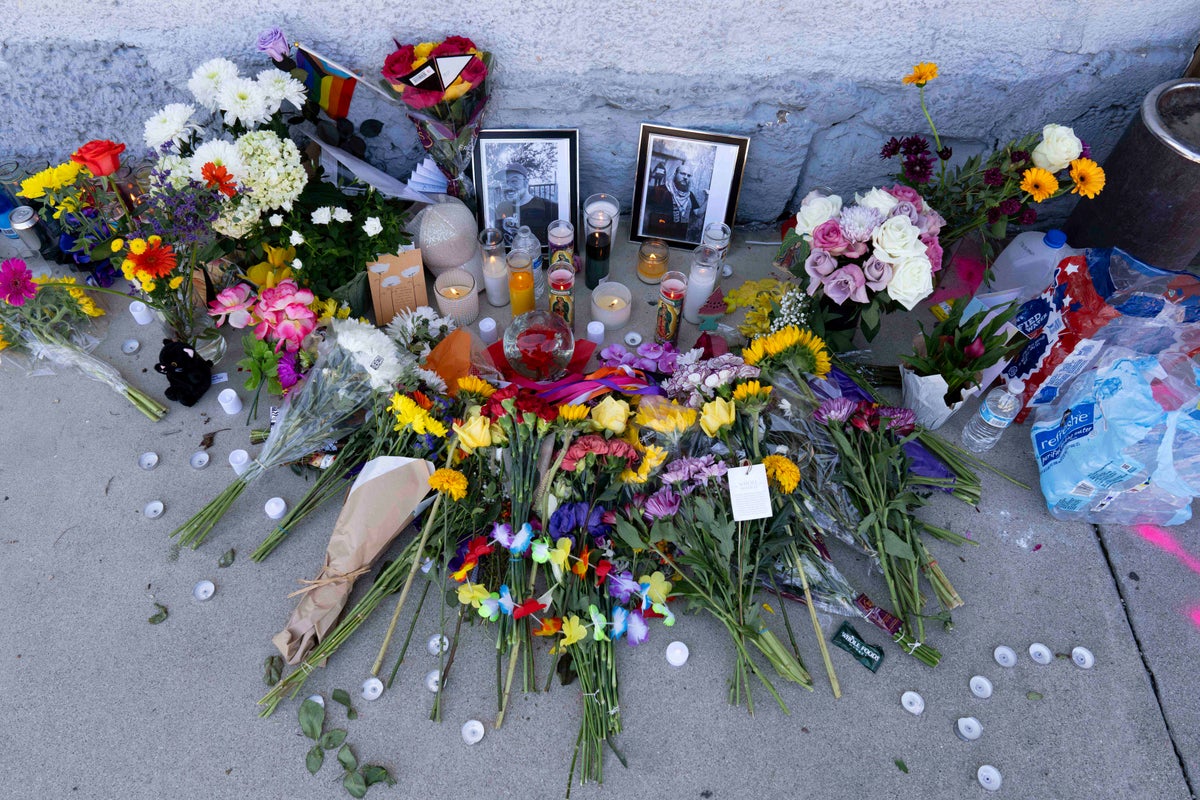
Real protection requires a much harder look at behavioral intervention. It means noticing when someone disconnects from reality, tracking domestic escalations, and dismantling the isolation that turns unstable individuals into executioners. Vincent Anthony Siqueiros and Cameron Davis Capara lost their lives because a violent actor was allowed to reach the end of his destructive runway. Honoring their memory requires demanding rigorous, sober truth from our investigators, not comforting political soundbites from our podiums.
Stop accepting the neat, pre-packaged explanation just because it fits the news cycle. The truth is always uglier, more complex, and harder to fix.