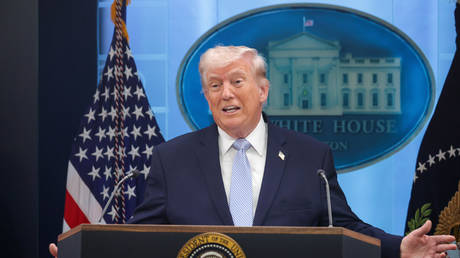
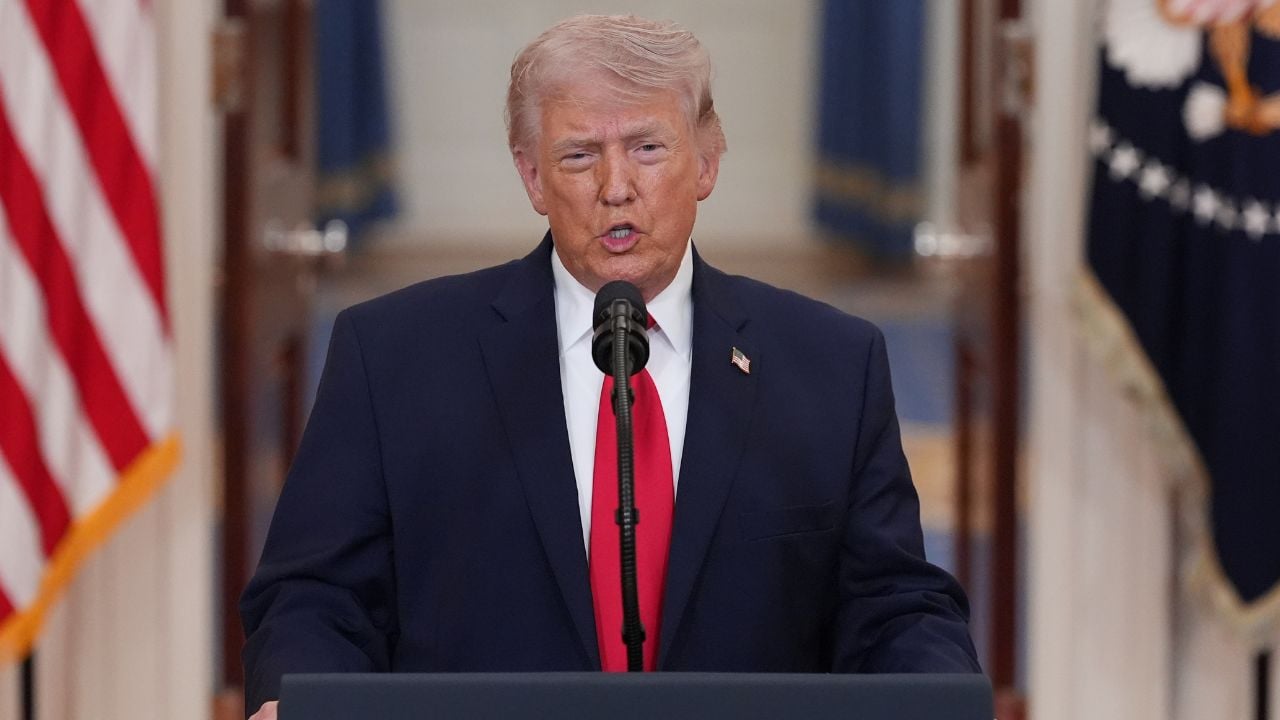
The clock is ticking on Jerome Powell’s time as the most powerful central banker in the world, but Donald Trump doesn’t want to wait for the buzzer. We’re officially back in a high-stakes staring contest between the White House and the Federal Reserve. Trump’s latest threats to fire Powell aren't just about personality clashes; they’re a direct assault on the institutional wall that keeps politicians’ hands off your interest rates.
If you’re wondering why this matters to you, it’s simple. The Fed’s independence is the only thing standing between a stable dollar and a currency that swings based on the latest campaign trail promises. When the President threatens to ax the Fed Chair over rate cuts, he’s not just attacking a man; he’s attacking the market’s trust in the entire financial system. If you enjoyed this piece, you should look at: this related article.
The May 15 deadline and the DOJ investigation
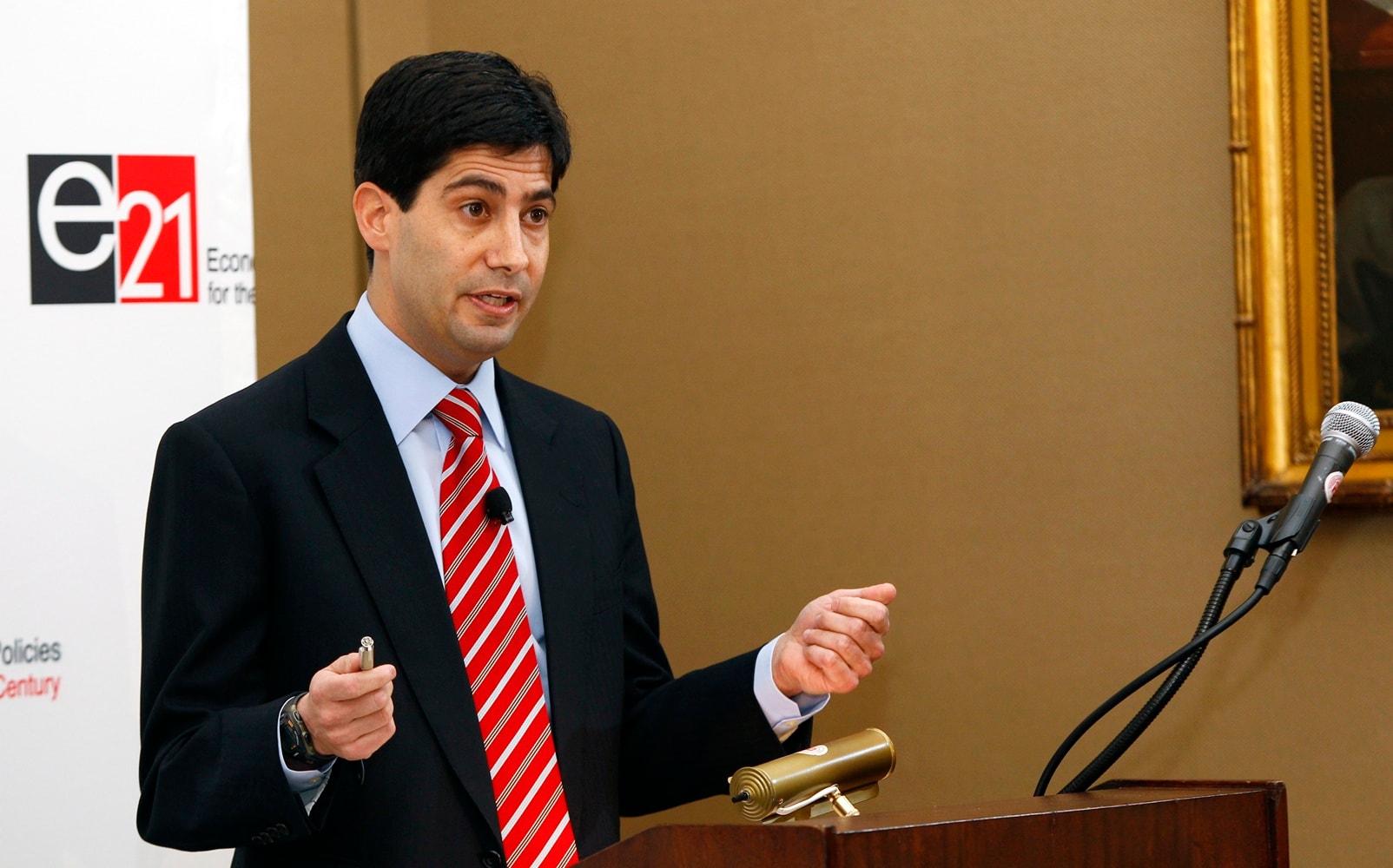
Powell’s term as Fed Chair is scheduled to wrap up on May 15, 2026. Normally, a lame-duck chair would just pack their bags and wait for the successor—in this case, nominee Kevin Warsh—to get through the Senate. But things have turned messy.
Trump is using a Justice Department investigation into cost overruns at the Fed’s headquarters renovation as a crowbar. He’s calling it "incompetence." Powell, meanwhile, is digging in. He told reporters he’ll stay on the job until a successor is confirmed, which is exactly what the law requires. He’s also signaled he might keep his seat on the Fed’s Board of Governors until 2028, long after he stops being the Chair. For another perspective on this story, check out the recent update from Business Insider.
That’s the part that really bugs Trump. If Powell stays on the board, he still gets a vote on interest rates. Trump made his stance clear in a Fox Business interview today, April 15, basically telling Powell to get out of the way or get fired.
Can a President actually fire the Fed Chair
The short answer is no—at least not easily. You can’t just fire a Fed Chair because you don't like their face or their interest rate policy. According to the Federal Reserve Act, governors can only be removed "for cause."
What does "for cause" actually mean? Usually, it involves:
- Inefficiency
- Neglect of duty
- Malfeasance in office (legal speak for doing something illegal or corrupt)
Policy disagreements aren't on that list. If Trump tried to fire Powell for keeping rates too high, the courts would likely shut it down in a heartbeat. We’ve already seen a preview of this with Fed Governor Lisa Cook. Trump tried to oust her last year, and the Supreme Court has allowed her to keep working while the legal battle drags on.
The DOJ probe into the building project is Trump’s attempt to create "cause." If they can prove Powell was criminally negligent with taxpayer money, the legal ground shifts. But a federal judge already called the probe a "pretext" last month. It looks like a political hit job disguised as an audit.
Market fallout and the cost of a political Fed
Wall Street hates uncertainty. When Trump announced he was "firing" Lisa Cook last August, global markets tanked. Why? Because investors rely on the Fed to be the "adult in the room." If the person setting interest rates is just a puppet for the White House, the risk of runaway inflation goes through the roof.
Don't be fooled by the rhetoric. Trump wants lower rates to juice the economy and the stock market. That sounds great for your 401(k) in the short term, but it’s a recipe for disaster if it happens at the wrong time. If the Fed cuts rates just to please a president, they risk reigniting the inflation that we’ve spent years trying to kill.
The Warsh complication
Trump’s pick for the next Chair, Kevin Warsh, is stuck in the middle. The Senate isn't in a hurry to confirm a new nominee while the sitting Chair is being threatened with criminal probes. It’s creating a massive bottleneck in Washington that could leave the Fed leaderless—or led by an acting official—during a volatile economic period.
The reality of the board seat battle
Powell isn't just the Chair; he’s a member of the Board of Governors with a term that doesn't expire for another two years. Even if he loses the Chair title in May, he can legally sit in that room and vote against Trump’s preferred policies until 2028.
This is the real "deep state" battle Trump is obsessed with. He doesn't just want a new leader; he wants a board that won't talk back. Powell knows that if he leaves now under pressure, he sets a precedent that the Fed serves at the pleasure of the President. That’s a line he clearly isn't willing to cross.
What you should watch for next
Don't expect a quiet exit. We're looking at a three-pronged conflict over the next four weeks.
- The Senate Confirmation: Watch how fast the Senate moves on Kevin Warsh. If they stall, it gives Powell more leverage to stay in the seat past May 15.
- The DOJ Findings: If Jeanine Pirro’s investigation drops a "bombshell" report on the building renovation, Trump will use it as his legal trigger to fire Powell for cause.
- The Board Resignation: If Powell suddenly decides to leave the Board of Governors entirely, it’s a sign he’s made a deal or the pressure became too much.
Don't get distracted by the tweets. Look at the bond market. If yields start spiking, it’s because the big money thinks the Fed’s independence is dying. If you're managing a portfolio, keep an eye on the 10-year Treasury. It’ll tell you more about the reality of this fight than any Fox Business interview ever will. Prepare for a bumpy ride through May as the legal and political worlds collide at the corner of 20th and Constitution.