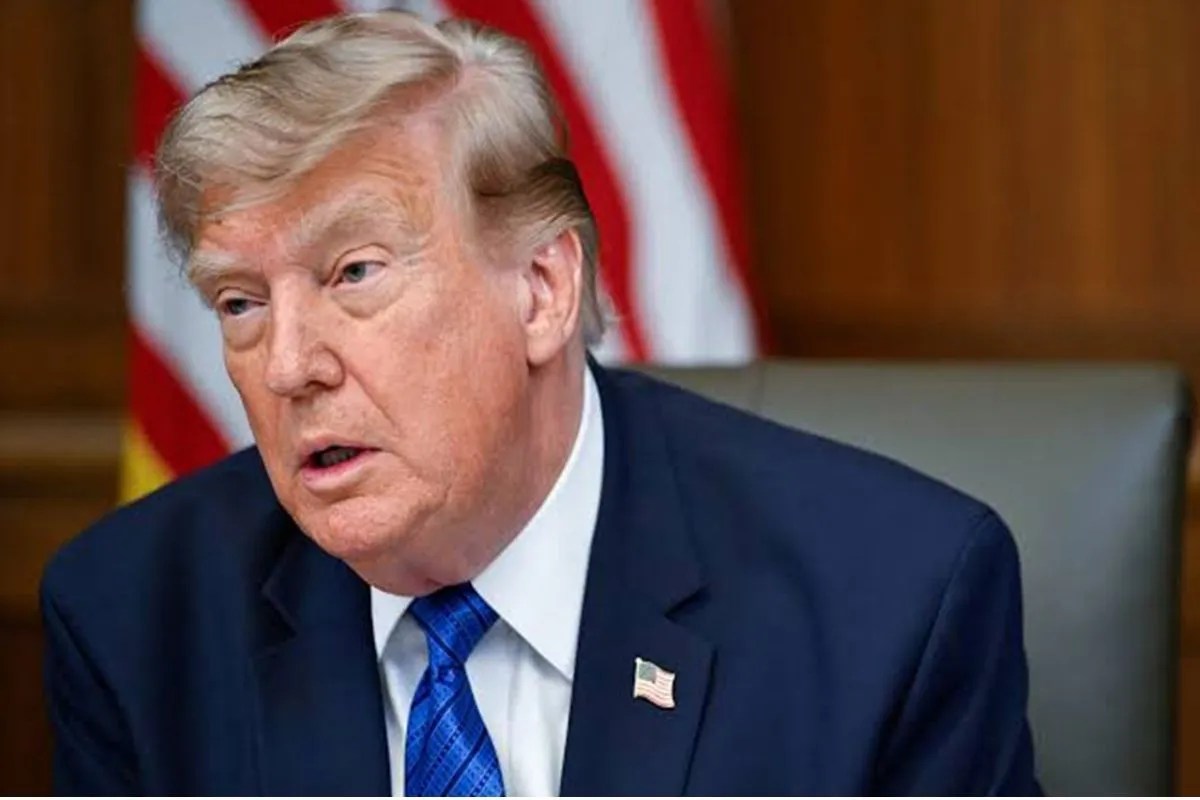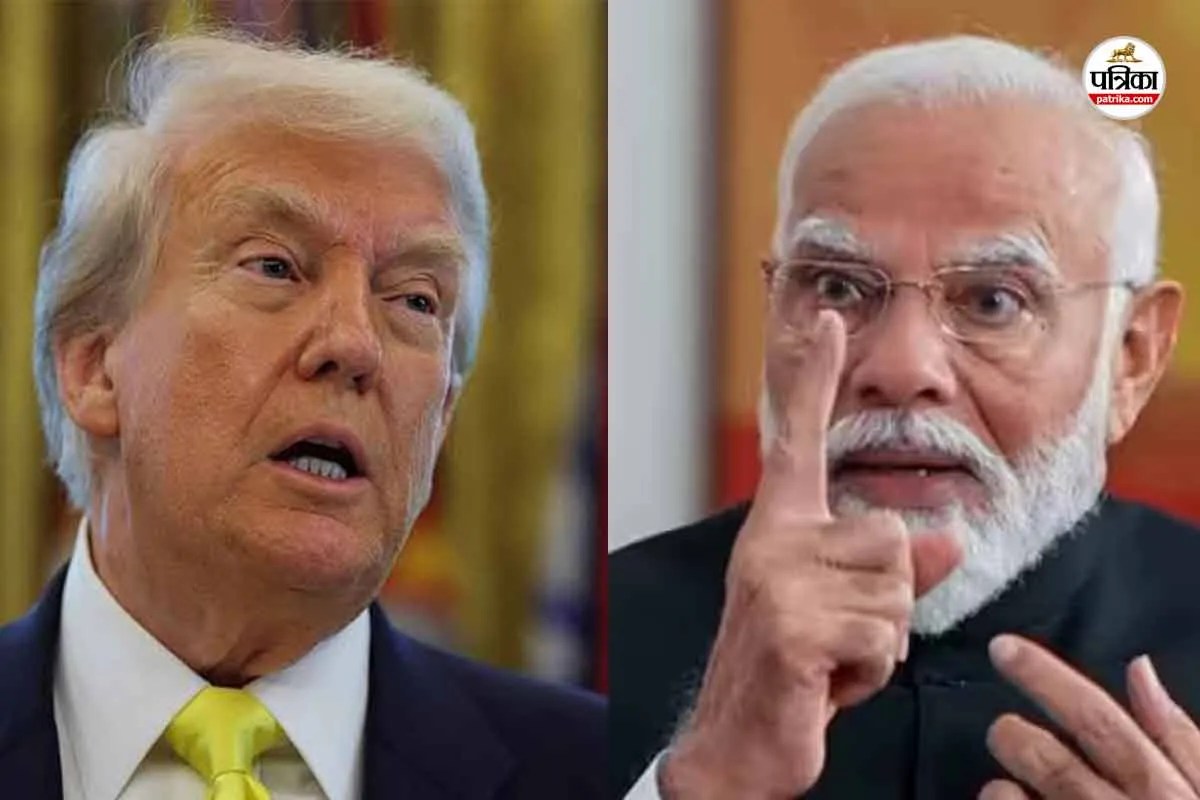
Every headline out of Washington right now assumes Donald Trump possesses a magic tariff wand that can single-handedly force New Delhi to drop Russian crude oil and fall neatly into line behind Western sanctions. The lazy consensus dominating financial news channels and policy blogs treats a potential hundred percent tariff on Indian imports as an inevitable economic weapon, a blunt instrument ready to be swung the moment the next administration takes the oath.
It is a complete fantasy.
I have watched trade desks panic over these exact threats for years, and the people hyperventilating about a hundred percent levy do not understand the mechanics of modern supply chains. They look at a massive headline number and assume the American economy can simply absorb a total rupture of trade with the world's most populous democracy without burning down its own backyard.
Let us dismantle the entire premise.
The Arithmetic of Self-Sabotage
Start with the basics of what America actually buys from India. We are not just talking about cheap textiles or spices. We are talking about critical generic pharmaceuticals, advanced IT services, aerospace components, refined petroleum products, and chemical precursors that keep Western manufacturing humming.
If Washington slaps a hundred percent tariff across the board on Indian goods, do you think New Delhi panics and surrenders its sovereign energy policy? Absolutely not. They do what any rational state actor does when pushed into a corner by a transactional administration: they accelerate de-dollarization bilateral agreements, lock in deeper energy supply lines with Moscow and Beijing, and reroute finished goods through third-party nations to lauten the origin tags.
Meanwhile, what happens inside the United States?
American consumers face an immediate, catastrophic shock to healthcare costs. A massive percentage of the generic drugs dispensed in US pharmacies rely on Indian active pharmaceutical ingredients. Try explaining to suburban voters why their blood pressure medication or diabetes treatment just doubled in price overnight because a trade negotiator wanted to make a point about Russian Ural crude.
Corporations cannot simply onshore complex pharmaceutical supply chains in a quarter or a year. It takes a decade, billions in capital expenditure, and a regulatory approval cycle that would make a tortoise look fast. Threatening a hundred percent tariff on India is not a display of economic strength; it is holding a loaded gun to your own foot and daring the other guy to blink.
The Russian Oil Fallacy
The entire catalyst for this saber-rattling is India buying discounted Russian barrels, refining them, and exporting the finished products globally. Washington looks at this and screams sanction evasion.
Let us be brutally honest about how global energy markets work. Global crude is a fungible liquid. It does not carry a passport. When India buys heavily discounted Russian oil, it frees up Middle Eastern and West African crude for other global buyers, dampening overall price volatility. If New Delhi suddenly stopped buying Russian oil due to US tariff threats, global crude supplies would instantly tighten, prices at the pump in America would spike, and Vladimir Putin would actually make more money per barrel on a tighter, higher-priced global market.
American policymakers hate this reality because it defies their neat moral binaries. They want a world where sanctions act as a clean, frictionless guillotine. The real world is a messy web of arbitrage, where squeezing one node causes the pressure to blow out somewhere else entirely.
India's leadership knows this. Prime Minister Narendra Modi's administration has made it clear that New Delhi answers to one constituency: 1.4 billion Indian citizens who need cheap energy to power their industrial ascent. Expecting a rising geopolitical superpower to cripple its own manufacturing growth just to satisfy a Washington talking point is diplomatic illiteracy.
What the Pundits Miss About Strategic Autonomy
The deeper misunderstanding in the competitor's narrative is the concept of strategic autonomy. Western analysts view foreign policy through a binary lens: you are either inside our security architecture or you are part of the axis of revisionism.
India rejects this outdated Cold War framing entirely. New Delhi buys weapons from Russia, intelligence from the United States, semiconductors from Taiwan, and trade agreements from whoever offers the best terms. They are not an American satellite state, nor are they a client of Moscow. They are an independent pole in a multipolar century.
When you threaten a country of that scale with crippling economic penalties, you do not bend them; you harden their resolve to insulate themselves from Western financial plumbing. Every time a Western politician floats a maximalist tariff threat against a neutral power, they accelerate the creation of alternative payment systems, non-dollar trade settlements, and independent supply networks. You are literally engineering the decline of the very unipolar financial dominance you are trying to protect.
The Real Playbook
If you are running a multinational supply chain or managing an institutional portfolio, ignore the noise about a hundred percent tariff벽. It is political theatre designed for cable news segments and campaign rallies.
The real friction between Washington and New Delhi will happen in the boring, unsexy arenas: technology transfer agreements, data localization rules, semiconductor subsidies, and targeted secondary sanctions on specific shipping entities rather than broad brushstrokes that destroy entire economies.
Stop listening to commentators who treat international trade like a reality television elimination round. Real power belongs to the nations that control physical manufacturing corridors and energy security, not the ones waving empty threats of economic mutually assured destruction.
When the dust settles, India will keep buying the oil it needs, the United States will keep buying the software and pharmaceuticals it requires, and the politicians will move on to the next shiny object. Do not position your capital based on a bluff.