The Middle East is currently holding its breath, and honestly, it’s for good reason. Just when it looked like we might get a break from the "Operation Epic Fury" chaos, things have veered right back toward the edge. The situation is simple and terrifying: President Donald Trump is sitting in Washington waiting for a "yes" to a peace proposal, while the Islamic Revolutionary Guard Corps (IRGC) is busy threatening to blow up American bases if their tankers are touched.
It's a classic case of diplomatic whiplash. One minute we’re talking about a 45-day ceasefire, and the next, U.S. fighter jets are disabling Iranian tankers in the Gulf of Oman. If you’re confused about whether we’re at war or at peace, you aren't alone. Even the diplomats seem to be guessing.
The Tanker War 2.0
On Friday, May 8, 2026, the U.S. military disabled two Iranian-flagged tankers. Washington claims these ships were trying to bust the blockade of Iranian ports. Tehran sees it differently. They view it as a direct violation of the tenuous ceasefire that’s been in place since early May.
The IRGC didn't take this lying down. On Saturday, they issued a statement that wasn't exactly subtle. They warned that any further attacks on their commercial vessels would trigger a "heavy assault" on American centers and ships in the region. We’re talking about potential strikes on bases in Bahrain, Qatar, or the UAE.
The numbers are staggering. Since the U.S. blockade began on April 13, CENTCOM has turned back 58 commercial ships. They've "disabled" four. This isn't just a military spat; it’s a chokehold on the global economy. Every time a shot is fired near the Strait of Hormuz, fuel prices at your local gas station feel the heat.
Trump’s Peace Deal or a Diplomatic Trap
Donald Trump told reporters on Friday that he expected an answer from Iran "supposedly tonight." It’s now Sunday, May 10, and the silence from Tehran is deafening.
The U.S. proposal, delivered through Pakistani mediators, isn't just about stopping the shooting. It reportedly demands:
- A full reopening of the Strait of Hormuz.
- A massive rollback of Iran’s nuclear program.
- Concrete steps to end the "shadow war" with Israel.
Iran’s Foreign Minister, Abbas Araghchi, basically laughed off the deadline. He’s questioning if the U.S. is even serious about diplomacy while it’s busy shooting at Iranian tankers. From Tehran’s perspective, Trump is trying to negotiate with a gun to their head. They've stated they’ll respond at their "own pace," ignoring the ultimatums coming out of the White House.
Why This Ceasefire Feels Different
We’ve seen ceasefires before, but this one is exceptionally fragile. The 2026 war began on February 28 with a massive strike that changed the region forever. Since then, thousands have died. The current truce is less of a peace treaty and more of a "reloading" period.
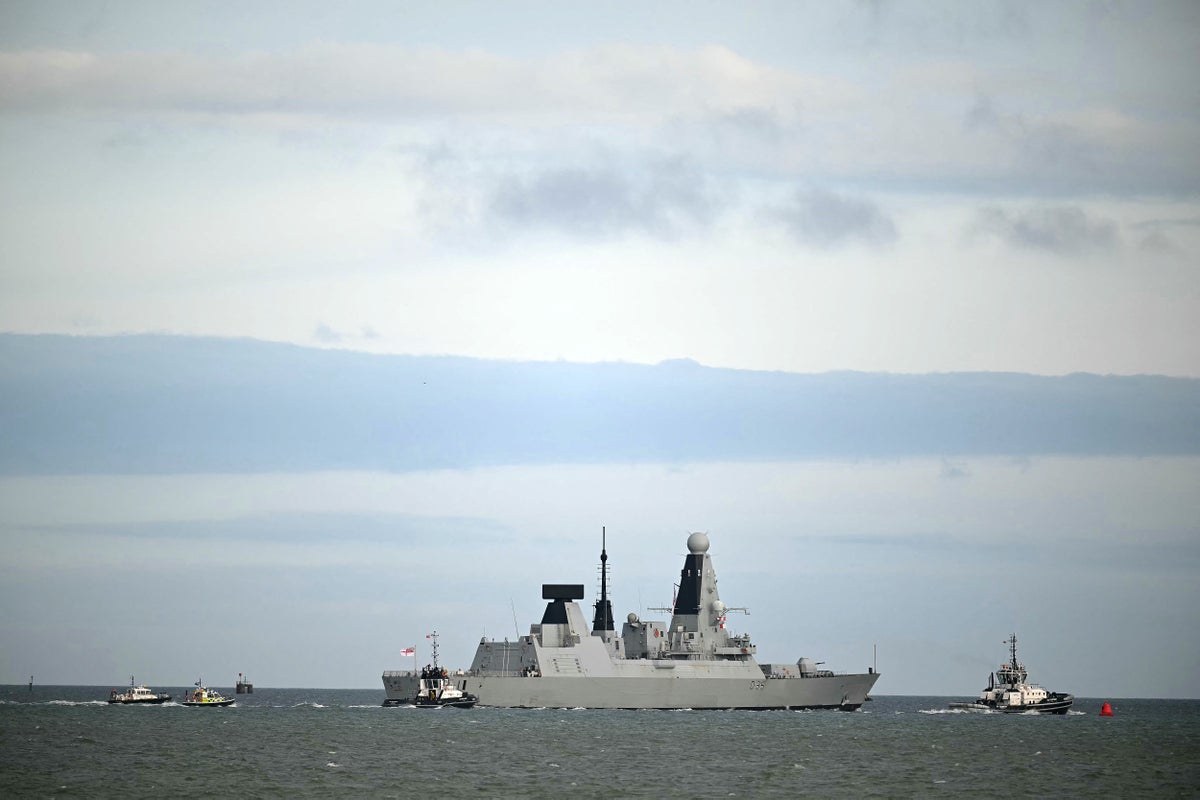
While the U.S. waits for a signature, its allies are hedging their bets. Bahrain just arrested 41 people allegedly linked to the IRGC, and Britain is sending the HMS Dragon to the region "just in case." It feels like everyone is preparing for the peace talks to fail.
The Real Risks Right Now
- Miscalculation: A local commander on a small patrol boat fires a shot, and suddenly the "heavy assault" Tehran promised becomes a reality.
- Economic Collapse: If the Strait of Hormuz is closed "forever," as some Iranian officials have threatened, the global energy market breaks.
- Alliance Fraying: Traditional U.S. partners are tired of the volatility. They’re looking at China and Russia, who are both hovering on the sidelines ready to play peacemaker.
What You Should Watch For
Don’t look at the official press releases for the truth. Watch the movement of the tankers. If Iran tries to push more ships through the blockade this week, the U.S. will likely respond with force. If that happens, the peace proposal is dead on arrival.
Also, keep an eye on the mediators in Pakistan and Qatar. If they stop traveling between capitals, the window for a deal has closed.
The reality is that neither side wants a full-scale, total war that levels the region, but neither side knows how to back down without looking weak. Trump wants a "win" for his legacy. Tehran wants to survive with its regime intact. Those two goals are currently on a collision course.
If you’re tracking your investments or just worried about the price of a gallon of gas, the next 48 hours are everything. Watch the Strait. The ships moving—or sinking—there will tell you more than any politician in Washington or Tehran ever will.

